

Thailand is one of the easiest countries in Asia for a first trip, but that does not mean every first Thailand trip is easy to plan. Bangkok, Chiang Mai, Phuket, Krabi, Koh Samui, Pai, Khao Sok and the islands all look close enough when they are just pins on a map. On the ground, transfers take time, weather matters, and too many region changes can wear down even a strong itinerary.
The biggest first-time mistake is trying to combine too much: Bangkok, northern Thailand, both island coasts, several day trips and a few famous extras, all in one short route.
A better first trip usually starts with Bangkok, then chooses one clear direction. Add northern Thailand if temples, food and mountains matter. Add one coast if beach time matters. Combine both only when your time, season and budget can carry it.
This Thailand travel guide is the planning layer before the itinerary layer. It helps you decide how long you need, where to go first, which islands fit your dates, how to travel around, what costs to expect, what safety issues to understand, and what to skip without regret.
Table of contentsJump to a section
Quick Answer: What First-Time Visitors Should Know About Thailand
Thailand is a good first Asia trip when the route is simple. It becomes harder when a short trip tries to cover Bangkok, Chiang Mai, Pai, Phuket, Krabi, Koh Phi Phi, Koh Samui, Koh Tao, Khao Sok and several day trips at once.
Most first-time visitors should plan around Bangkok plus one main region if they have 7-10 days. With two weeks, Bangkok, Chiang Mai and one beach area can work well if transfers are planned carefully. With three weeks, the classic Bangkok, north and islands route becomes much more comfortable.
Thailand is beginner-friendly
Tourist infrastructure, food, hotels, flights, trains, ferries and tours make Thailand one of the easier Southeast Asia countries for a first independent trip.
Bangkok plus one main region
For 7-10 days, choose Bangkok plus northern Thailand, or Bangkok plus one island coast. Do not turn the route into a countrywide checklist.
10-14 days works best
Seven days can work with one region. Two weeks gives better balance. Three weeks gives room for Bangkok, the north, islands and slower travel.
Choose by season and style
The Andaman coast and Gulf islands do not always share the same weather pattern. Pick one coast that fits your month, route and travel style.
You can travel without renting one
Use Bangkok public transport, Grab where available, taxis, trains, flights, ferries, transfers and tours. Scooters are not necessary for many first routes.
Scams, roads, nightlife and weather
Thailand is manageable, but do not ignore taxi pricing, scooter risk, drink safety, valuables, island transfers, ocean conditions, insurance and entry checks.

How to Read This Thailand Route Map
This map is not meant to be a checklist. It is a way to understand the main route choices. For a first Thailand trip, the best plan is usually to choose one clear route shape instead of trying to connect every famous stop.
Most visitors start in Bangkok, then choose between three broad directions: north to Chiang Mai and the mountains, south-west to the Andaman coast around Phuket and Krabi, or south-east to the Gulf islands around Koh Samui, Koh Phangan and Koh Tao.
For around two weeks or more, a classic first-trip shape is Bangkok, Chiang Mai and one beach area. For 7-10 days, it is usually better to keep the trip simpler: Bangkok plus Phuket or Krabi, or Bangkok plus Koh Samui. Chiang Rai, Pai, Ayutthaya, Kanchanaburi and Khao Sok work better as add-ons when they fit the route, season and pace.
Route Shapes Shown on the Map
Bangkok + north + beach
Good for a first trip with city time, temples, food, mountains and one coast. This usually works best with around two weeks or more.
Bangkok + Phuket or Krabi
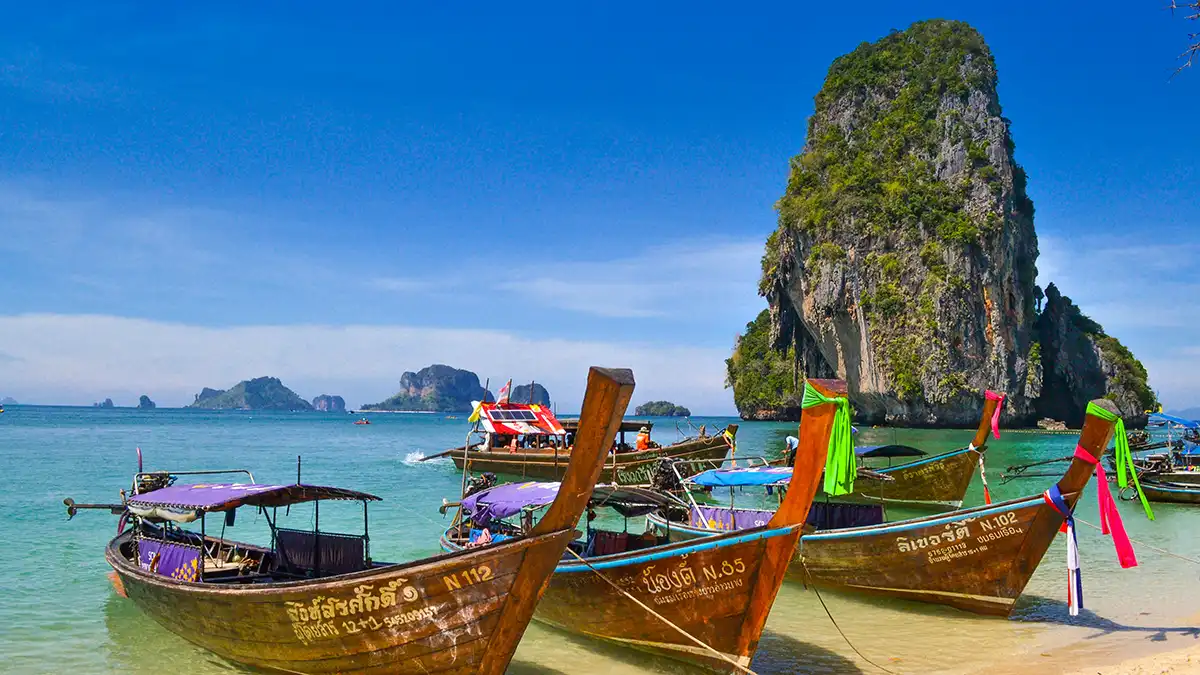
Good for Phuket, Krabi, Railay, Phi Phi, Koh Lanta and Khao Sok when the season fits. Keep the island hopping realistic.
Bangkok + Koh Samui area
Good for Koh Samui, Koh Phangan and Koh Tao when the Gulf side makes more sense for your dates, comfort level or interests.
Choose, do not stack
Chiang Rai and Pai are choices from Chiang Mai. Ayutthaya and Kanchanaburi are choices from Bangkok. Khao Sok is a nature add-on, not a required stop.
How Many Days Do You Need in Thailand?
You can enjoy Thailand in a week, but a week is not enough for the whole country. Trip length should shape the route before any individual destination does.
Bangkok + one region
Best for a short first taste: Bangkok plus one island base, Bangkok plus Chiang Mai, or Bangkok plus Ayutthaya/Kanchanaburi if avoiding flights.
Avoid: northern Thailand and southern islands in the same week.
Bangkok + north or islands
Good for Bangkok and Chiang Mai, or Bangkok and one island coast. The 10-day itinerary shows how to keep the route focused.
Avoid: several islands plus Chiang Mai unless you accept a rushed trip.
Bangkok + north + one beach area
This is the classic first-trip range. The two-week itinerary combines Bangkok, Chiang Mai and one coast at a more useful pace.
Avoid: turning every free day into a tour or transfer.
Slower loop with more choice
The three-week backpacking route gives room for Bangkok, Chiang Mai, one optional northern add-on and one island coast.
Avoid: treating every famous place as mandatory.
Bangkok, Northern Thailand or Islands: How to Choose
For 7-10 days, choose Bangkok plus one region. For two weeks, combine carefully. For three weeks, the classic north plus islands route becomes much more realistic.
Food, temples, markets and logistics
Best for 2-4 days. Do not treat Bangkok only as an airport stop, especially on a first Thailand trip.
Watch out for: traffic, heat, tourist pricing and overpacking city days.
Food, temples, mountains and slower pace
Best for 3-6 days. Chiang Mai is the easiest base for most first-timers.
Watch out for: smoky season, long detours and adding Pai or Chiang Rai without enough time.
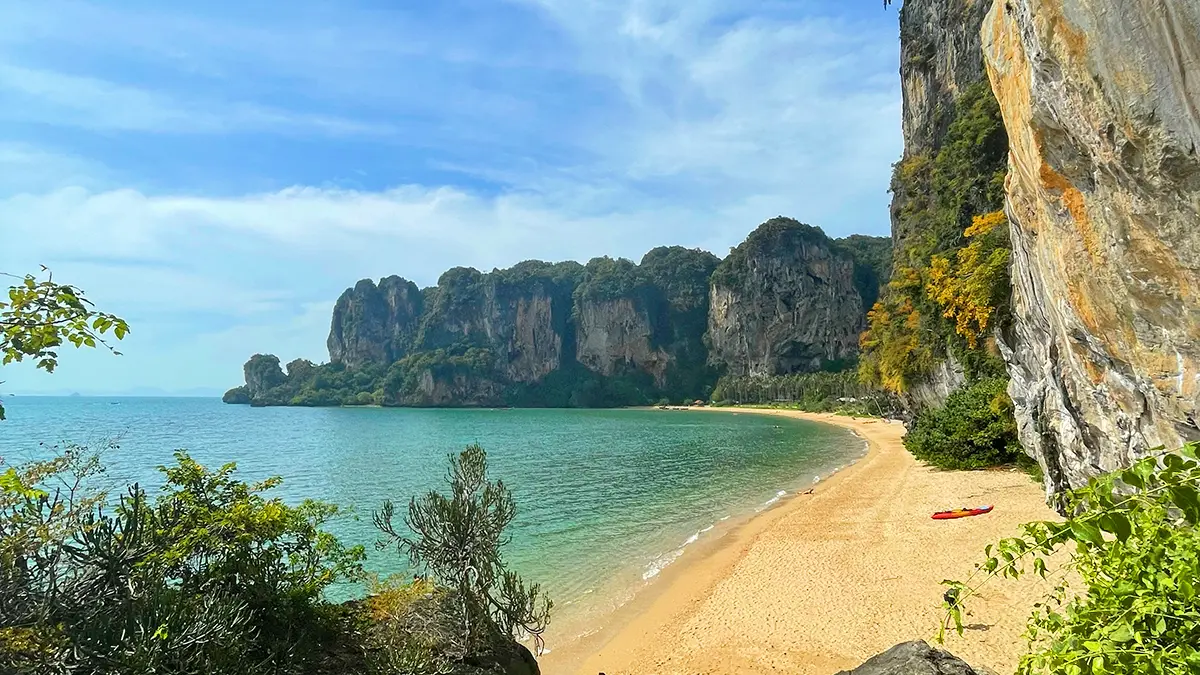
Krabi, Phuket, Phi Phi, Koh Lanta and Khao Sok
Best for 4-8 days. Strong for limestone scenery, beaches, boat trips and active coastal travel.
Watch out for: weather, ferry disruption, crowds and too many island changes.
Koh Samui, Koh Phangan and Koh Tao
Best for 4-8 days. Useful when the Gulf side fits your month, route or travel style better.
Watch out for: ferry logistics, party areas and seasonal rain patterns.
Ayutthaya, Kanchanaburi or Sukhothai
Good for 1-3 days if you want history or nature without flying south.
Watch out for: adding them automatically to a route that is already tight.
Best Places to Visit in Thailand for a First Trip
This is not a list of everything worth seeing. It is a first-trip filter: what each place is good for, how long it needs, and when to skip it. Use the best places to visit in Thailand guide for a fuller destination comparison.

Bangkok
Best for: first arrival, temples, street food, river trips, markets, shopping and transport connections.
Ideal stay: 2-4 days.
Skip or shorten if: you only have a very short beach-focused trip and dislike big cities.
Good onward connections: Chiang Mai, Phuket, Krabi, Koh Samui, Ayutthaya and Kanchanaburi.

Chiang Mai
Best for: temples, food, markets, day trips, mountains and slower pacing.
Ideal stay: 3-5 days.
Skip or adjust if: severe smoke or burning season is affecting air quality, or your short trip is mainly beach-focused.
Good onward connections: Bangkok, Chiang Rai, Pai and domestic flights south.

Chiang Rai
Best for: temple-focused travelers with extra northern Thailand time.
Ideal stay: 1-2 days.
Skip if: you have under two weeks or dislike long day trips.

Pai
Best for: slow backpacker travel, mountain scenery and relaxed stays.
Ideal stay: 2-3 days.
Skip if: your first trip is short, you get motion sickness easily, or you are uncomfortable with scooter-heavy destinations.
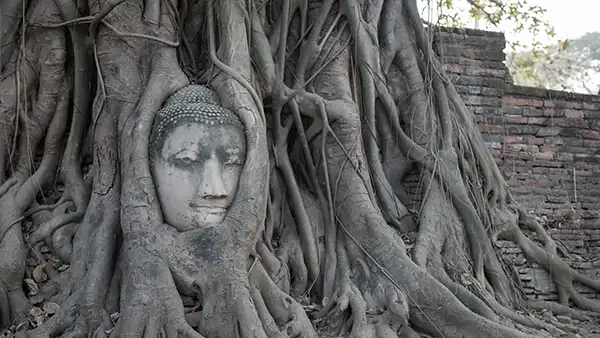
Ayutthaya
Best for: an easy history-focused day trip from Bangkok.
Ideal stay: day trip or 1 night.
Skip if: you are already overloaded with temples, ruins or day trips.

Kanchanaburi
Best for: nature, waterfalls, WWII history and river stays.
Ideal stay: 1-2 nights.
Skip if: you are short on time and already doing north plus islands.

Sukhothai
Best for: history-focused travelers who want quieter ruins.
Ideal stay: 1-2 nights.
Skip if: your first route is short or already includes Ayutthaya.

Khao Sok National Park
Best for: jungle, limestone lake scenery and a nature break between southern beach areas and mainland routes.
Ideal stay: 2-3 days.
Skip if: budget is tight, weather is poor, or the southern route is already full.
Best Islands in Thailand for First-Time Visitors
Most first-time visitors should choose one island area, not hop across both coasts. The right choice depends on month, budget, transfer tolerance and whether you want comfort, scenery, nightlife, diving or slower beach time.

Convenience and choice
Easy flights, resorts, nightlife and family infrastructure. Strong first-time fit, but busy and developed.

Scenery and boat trips
Great for limestone coast, beaches and active days. Less polished than Phuket, but often more appealing for scenery.

Short scenic stop
Good for dramatic views and party energy. Skip for quiet, space or relaxed family travel.

Slower beach time
Good for families, couples and slower trips. Better when you have time and are not chasing nightlife.

Comfortable Gulf base
Useful for resorts, families and mixed budgets. Check seasonal weather and onward ferry plans.

Party or wellness
Choose carefully by area and date. Party crowds can affect prices, noise and availability.

Diving and snorkeling
Strong for water activities and a smaller island feel. Skip if you do not want ferry travel.
Best Time to Visit Thailand
Thailand does not have one perfect season for every route. Weather varies by region and year. Use seasonal guidance to choose the right coast, then check current forecasts and local conditions close to travel.
Best Overall Months for a First Trip
The common high-season window is often the easiest planning period for first-timers, especially if you want Bangkok, northern Thailand and the Andaman coast. Expect higher prices and more crowds in popular beach areas.
Andaman Coast Weather
The Andaman side includes Phuket, Krabi, Railay, Koh Phi Phi, Koh Lanta, Khao Lak and Khao Sok. It is often a better beach bet during the drier high-season window, but weather can still change. Rough seas, rain or storms can affect boats, beaches and island transfers.
Gulf Coast Weather
The Gulf side includes Koh Samui, Koh Phangan and Koh Tao. It does not always follow the same pattern as the Andaman side, so do not choose islands by looking at one generic Thailand weather chart.
Northern Thailand and Burning Season
Chiang Mai, Chiang Rai and Pai can be affected by smoke and poor air quality during parts of the late dry season. Timing varies, so check air quality and recent local reports before committing to a northern route in that period.
Rainy Season in Thailand
Rainy season does not always mean all-day rain. It can still be a useful travel period if you accept flexibility. The tradeoff is that ferries, beach conditions, hiking, island tours and rural roads can be affected.
How to Travel Around Thailand
Thailand is easy to move around, but transfers still take time and energy. Domestic flights can save a route. Trains can be comfortable. Ferries can be scenic or tiring depending on weather and timing. Minivans are useful but not always comfortable.
Best for long distances
Useful for Bangkok to Chiang Mai and Bangkok or Chiang Mai to southern beach routes. Add airport time, luggage rules and transfer buffers.
Best for slower overland legs
Useful on Bangkok-Chiang Mai and some southern routes. Popular sleeper trains can require advance booking.
Best for regional routes
Common and budget-friendly, but comfort, driving style and stops vary. Check recent reviews before choosing an operator.
Necessary for islands
Weather, sea conditions and connecting transfers can affect plans. Avoid tight same-day connections before important flights.
Best for cities and short rides
Grab is useful in many places, but not everywhere. Bangkok BTS and MRT are efficient but do not cover every tourist area.
Fine once, not a main transport plan
Agree the price before you go. If the route turns into shops, detours or pressure, leave it.
For route-by-route comparisons, station and terminal checks, luggage planning and scooter-free options, use the complete guide to traveling around Thailand.
Can You Travel Thailand Without Renting a Scooter?
Yes. Many first-time Thailand routes work without a scooter. Use Bangkok public transport, Grab or taxis where available, pre-booked transfers, ferries, trains, domestic flights, local tours and walkable bases.
This matters on islands and in mountain towns, where scooters can look like the easiest solution. They are convenient for experienced, properly licensed and insured riders, but they are not required for a good first trip.
Scooter Warning for First-Timers
Thailand is not the place to learn to ride. Road safety, insurance wording, license requirements, helmet quality, rental damage disputes and passport-deposit requests all need attention. Verify current license and insurance rules before riding, and ask your insurer directly what is covered.
Do not hand over your passport as a rental deposit if you can avoid it. Take photos of the bike, understand the contract and skip riding if the conditions, traffic, weather or your confidence do not feel right.
Where to Stay in Thailand on a First Trip
Stay where logistics are simple. A cheaper room far from food, transport or pickup points often costs more in time and taxis.
Where to Stay in Bangkok
Riverside works for views and calmer stays. Sukhumvit is practical for restaurants, nightlife, BTS access and international comfort. Silom and Sathorn are useful for transport and business-district convenience. Old Town works for temples and classic Bangkok sights but can be less connected by rail. Khao San is social and budget-friendly, but noise and party energy are part of the deal.
Where to Stay in Chiang Mai
The Old City is easiest for temples, food and first-time orientation. Nimman works for cafes, restaurants and a more modern base. The Riverside or night market area can suit travelers who want markets and evening walks.
Where to Stay on the Islands
Beach choice matters. In Phuket, the wrong beach for your style can change the whole trip. In Krabi, Ao Nang is practical and Railay is more scenic but less flexible. On Koh Samui, beach areas vary widely. Koh Lanta suits slower stays. Koh Tao works best when you base near the diving or snorkeling areas you actually plan to use.
Thailand Travel Budget
Thailand can be good value, but costs vary sharply by season, island, transport style and accommodation level. The north is often easier on a tight budget than the most popular island areas. High season raises prices. Domestic flights, ferries, diving, tours, national parks, ethical elephant experiences and resort stays can change the daily average quickly.
Do not plan from one fixed number. Build a budget around your travel style.
Hostels, street food and slower transport
Works best when you keep island choices limited, use public transport where sensible and avoid paying for tours every day.
Simple rooms, local food and selective tours
A good fit for couples and solo travelers who want comfort without resort prices. Islands and high season still need margin.
Better locations and easier transfers
Useful for short trips, families and travelers who want to reduce friction with flights, private transfers or better hotels.
Costs depend on comfort choices
Private rooms, airport transfers, resorts, boat tours and flexible cancellation can be worth it, but they need to be budgeted.
Is Thailand Safe to Visit?
Thailand is manageable for many first-time visitors, including solo travelers, but do not confuse manageable with risk-free. Most issues are practical: traffic, scams, nightlife decisions, ocean conditions, weather disruption, valuables, animal tourism and insurance.
Choose good bases and reliable transport
Keep valuables close, choose well-reviewed central accommodation, avoid isolated late arrivals when practical and use trusted transport after dark.
Treat riding as a serious decision
Wear a proper helmet on motorcycle taxis. Rent only when you are experienced, legally entitled to ride and certain your insurance applies.
Keep control of drinks and the journey home
Watch drinks, keep enough battery and money for transport, and leave early when a person, venue or situation feels wrong.
Change the plan when conditions change
Follow beach flags, weather warnings and operator advice. Check that insurance covers medical care, delays and the activities you actually plan to do.
Common Scams and Avoidable Mistakes
Most problems are avoidable if you slow down before agreeing to a ride, tour, rental or deal that feels too convenient.
“Temple is closed” detours
If someone redirects you to shops, gems, suits or a special tuk-tuk route, step back and verify independently.
Taxi meter refusal
Use ride-hailing where available, agree a price before entering, or leave if the situation feels wrong.
Scooter or jet ski damage disputes
Read terms, avoid passport deposits where possible, take photos, and do not rent if the operator feels weak or aggressive.
Poor-quality travel agencies
Check recent reviews, exact inclusions, pickup points and refund rules before booking tours or transfers.
Wrong coast for the season
Do not assume every Thai island has the same weather. Match the coast to your month and keep ferries flexible.
Trying to see everything
This is the most common route mistake. Thailand works better when you choose the right places for your time and energy.
Also be careful with cash exchange, airport transfers, too-good-to-be-true tours, cannabis and legal assumptions, wildlife attractions, and booking too many ferries or transfers back to back.
Food, Culture and Practical Travel Tips
Food is one of the easiest wins on a first trip to Thailand. You do not need a long checklist, but a few basics help.
Follow turnover and freshness
Busy stalls, fresh cooking and clear prices are usually better signs than an empty stall with a long menu.
Use bottled or filtered water
Do not assume tap water is suitable for drinking. Refill stations and filtered water options are common in many traveler areas.
Ask clearly
If you do not handle heat well, say so. Spice levels can vary widely even with familiar dishes.
Carry some cash
Cards are useful in hotels and malls, but smaller restaurants, markets, local transport and islands may still require cash.
Data makes the trip easier
Maps, Grab, hotel messages, ferry updates and translation tools are easier with reliable mobile data.
Choose carefully
Avoid elephant riding, tiger photo attractions and wildlife experiences built around contact, performance or unsafe animal handling.
Temple etiquette is straightforward: cover shoulders and knees where required, remove shoes when asked, speak quietly, avoid climbing on sacred structures, and be respectful around monks and worshippers. A light scarf or shirt can save hassle on mixed city days.
What to Skip on a First Thailand Trip
This is where many Thailand routes get better. A good first Thailand trip is not about seeing the most places. It is about choosing the right places for your time, season and energy.
Choose one coast and fewer islands
One coherent coast is usually better than crossing between the Andaman and Gulf sides with repeated ferry days and luggage moves.
Leave Pai or Chiang Rai for a longer northern stay
Both can be worthwhile, but neither should become an automatic detour when Chiang Mai time is already limited.
Skip Phi Phi overnight if you want quiet
Use a day trip or choose a calmer island if sleep, space and low-key beach time matter.
Skip casual scooter rental
If you are inexperienced, unlicensed or unclear on insurance, choose taxis, transfers, walking bases or tours.
Skip harmful wildlife attractions
Avoid elephant riding, tiger photos and experiences built around animal performance or close-contact handling.
Leave room between major activities
Choose a few strong Bangkok sights, avoid full-day tours every day and keep a buffer before important flights.
Helpful Booking Tools
Use these only after the route shape makes sense. For Thailand, that usually means choosing your season, deciding whether the trip is Bangkok + north, Bangkok + islands, or Bangkok + north + one beach area, and leaving buffers around flights, ferries and long transfers.
Affiliate booking tools: The tools below contain affiliate links. If you make an eligible booking through them, WeltFox earns a commission at no additional cost to you. Read our full affiliate disclosure.
Final Thailand Travel Planning Checklist
Use this before booking the full route.
Check requirements
Verify current entry rules, passport validity, visa or exemption rules, and any Thailand Digital Arrival Card requirements with official sources.
Pick one shape
Choose Bangkok + north, Bangkok + islands, or Bangkok + north + one beach area if you have enough time.
Match islands to weather
Check whether the Andaman coast or Gulf islands make more sense for your month.
Secure the hard parts
Book first nights, key flights, popular trains, critical ferries and high-season island stays early enough.
Set up basics
Download Grab, sort a SIM or eSIM plan, keep offline maps, and save hotel addresses in English and Thai if possible.
Leave buffers
Get travel insurance, avoid tight transfers before international flights, check weather and air quality close to travel, and keep cash available.
Related Thailand and Southeast Asia Guides
Use these guides for the day-by-day detail that this country overview intentionally leaves out.
For the transport decisions behind these routes, use the guide to traveling around Thailand.
Useful Official Links and Facts to Verify
Use official and reliable sources for entry rules, arrival forms, trains, weather, national parks and safety advice. Do not rely on old blog posts for rules that can change.
FAQ
FAQs About Visiting Thailand
Short answers for first-time route planning, island choices, transport, safety, costs and entry checks.
Is Thailand good for first-time travelers?
Yes. Thailand is one of the easier Asia destinations for a first trip if you keep the route realistic and understand basic safety, scam and transport issues.
How many days do you need in Thailand?
Ten to 14 days is better for a first trip. Seven days can work with one region, while three weeks gives more space for Bangkok, northern Thailand and islands.
Should I visit Bangkok, northern Thailand or the islands first?
Start with your time and season. Bangkok plus one region suits 7-10 days. Bangkok, Chiang Mai and one beach area works better with around two weeks or more.
Which Thai island is best for first-time visitors?
Phuket or Krabi are easy Andaman choices, Koh Samui is a comfortable Gulf base, Koh Lanta suits slower stays, and Koh Tao is strongest for diving and snorkeling.
What is the best time to visit Thailand?
It depends on region. The Andaman and Gulf coasts do not follow exactly the same weather pattern, and northern smoke or burning season can affect Chiang Mai and nearby areas.
Is Thailand safe for solo travelers?
Thailand is generally manageable for solo travelers, but use normal caution with nightlife, transport, road safety, valuables, accommodation choice and late arrivals.
Do I need to rent a scooter in Thailand?
No. Many first-time routes work with Bangkok public transport, Grab, taxis, trains, ferries, flights, transfers and tours.
How much does Thailand cost?
Costs depend on city versus island travel, dorms versus hotels, street food versus restaurants, domestic flights, ferries, tours, diving and season. Check current prices before booking.
What scams should first-time visitors know?
Common issues include tuk-tuk detours, taxi pricing, rental damage disputes, weak travel agencies, overpriced tours and deals that sound too good to be true.
Do I need a visa for Thailand?
Do not assume a universal rule. Check official entry requirements for your passport and complete any required arrival form before travel.
Final Thoughts: Plan Thailand Around Time, Season and Energy
Thailand is easy to start, but the best first trip is not the busiest one. Bangkok deserves more than a transfer night. Northern Thailand works better when you have enough time and clear air. The islands are strongest when you choose the right coast for your dates and avoid turning beach time into ferry admin.
Pick a route shape, not a countrywide checklist. Leave space for food, weather, slower mornings and the occasional plan change. A good first Thailand trip should feel edited, practical and enjoyable, not squeezed.


Reader Notes
Share your thoughts
Have a question, update, or practical tip about Thailand Travel Guide: Practical First-Time Visitor Guide? Share it with other readers. Every comment and reply is reviewed before publication.
✓Moderated conversation
Rate this guide
Ratings appear here when available.
Conversation
Reader comments
Replies appear below the original comment after review.
Reader comments will appear here after review.
Add a note
Join the conversation
Share a useful update, a focused question, or a correction. Do not post personal information.