First-time Vietnam travel guide with city, food and landscape highlights
Home / Vietnam

Vietnam Travel Guide: Practical First-Time Visitor Guide

Plan your first trip to Vietnam with practical advice on where to go, how long to stay, transport, costs, safety, scams, visas, weather, realistic routes and FAQs.

Vietnam is one of the most rewarding countries in Southeast Asia for a first trip, but it is not a place to plan by simply pinning every famous stop on a map. The country is long, the weather changes by region, and travel days can be tiring. A better first Vietnam trip usually comes from choosing fewer places, using the right transport, and knowing what to save for another visit.

Table of contentsJump to a section
  1. Quick Answer
  2. Planning Summary
  3. First-Time Fit
  4. Planning Decisions
  5. Trip Length
  6. Best Places
  7. Regions
  8. Routes
  9. Route Direction
  10. Best Time
  11. Transport
  12. Costs
  13. Safety
  14. Scams
  15. Visa and Arrival
  16. Practical Basics
  17. What to Skip
  18. Booking Tools
  19. FAQs

Quick Answer: What First-Time Visitors Should Know About Vietnam

Vietnam is excellent for first-time visitors when the route is realistic. It becomes stressful when a short trip tries to cover Hanoi, Ha Long Bay, Hoi An, Ho Chi Minh City, Sapa, Ha Giang, the Mekong Delta, and an island beach all at once.

For most first trips, 10 to 14 days is the practical sweet spot. Seven days can work, but only if you choose one region. Three weeks gives enough room for a slower north-to-south or south-to-north route with mountains, caves, central Vietnam, the south, and some rest days.

Start here

Best first-time trip length

10 to 14 days, with 14 days better for balance. Seven days should stay regional. Three weeks is better for a backpacking route.

Route style

Use an open-jaw route

Fly into Hanoi and out of Ho Chi Minh City, or the reverse, if flight prices and timing work. It reduces backtracking.

Best regions

North plus Central works well

For many first-timers, Hanoi, Ninh Binh, Ha Long or Lan Ha, Hoi An, Da Nang, and Hue give the strongest first route.

Transport

Mix flights, trains, vans, and Grab

Use domestic flights for long jumps, trains or vans for shorter legs, and Grab or trusted taxis locally where available.

Main mistake

Do not plan Vietnam like a checklist

The biggest planning mistake is trying to see the whole country in 7 to 10 days. Distances matter more than they look on a map.

Official check

Verify visa and entry rules

Use the official Vietnam e-visa or immigration source before booking. Rules, ports, passport requirements, and fees can change.

Use the map as a planning tool, not a challenge. A first Vietnam trip is usually better when you choose the right regions for your time.

Vietnam Travel Guide Summary

This guide is for travelers who want the decision layer before the itinerary layer. It helps you decide what belongs on a first trip, what is better for a longer route, and what should wait until another visit.

Best trip length10 to 14 days for most first-time visitors.
Best routeOpen-jaw: Hanoi to Ho Chi Minh City, or the reverse.
Best first regionsNorth plus Central Vietnam for a balanced start.
Best placesHanoi, Ninh Binh, Ha Long or Lan Ha, Hoi An, Hue, Da Nang, Ho Chi Minh City.
Best timeNo perfect countrywide month; February to April and September to November are often useful planning windows.
Budget noteVietnam can be good value, but cruises, flights, tours, and motorbike mistakes add up fast.
Transport styleFlights for long jumps, vans or trains for shorter legs, Grab/taxis locally.
Safety snapshotTraffic, scams, motorbike risk, weather, and transport choices need attention.
Visa reminderCheck the official Vietnam e-visa and immigration source before booking.
Main adviceChoose fewer places. Leave space for weather, delays, and fatigue.

Who this guide is for

First-time visitors, couples, solo travelers, backpackers, budget travelers, mid-range travelers, and anyone deciding between 7, 10, 14, or 21 days in Vietnam.

Who may find Vietnam harder

Travelers who dislike traffic and noise, want short transfers everywhere, expect perfect weather across the whole country, or plan to rent a motorbike casually without road experience.

Is Vietnam Good for First-Time Visitors?

Yes, Vietnam is a strong first-time destination. It is affordable compared with many long-haul destinations, the food is one of the main reasons to travel, and the classic route can combine cities, limestone landscapes, heritage towns, beaches, mountains, and river country.

It is not frictionless. Traffic can feel intense at first. Travel days can be long. Scams and overcharging exist. Weather can be dry in one region and wet in another. The infrastructure is good enough for independent travel, but it still rewards planning.

You will probably love Vietnam if...

You like street food and coffee, want a trip with cities and nature, are comfortable with some chaos, want strong value for money, and can stay flexible when transport or weather shifts.

Vietnam may feel harder if...

You dislike traffic, expect quiet sidewalks and predictable transfers, want every famous place to be close together, or do not want to plan around regional weather.

Hanoi is intense, food-focused, and one of the best bases for a first northern Vietnam route.

Before You Book: The 5 Vietnam Planning Decisions That Matter Most

How many days do you actually have?

Trip length decides everything. A 7-day Vietnam route should not look like a 14-day route with half the sleep removed. If your time is short, choose one region and travel it properly.

Which region fits your season?

Vietnam does not have one simple best season for the whole country. Northern Vietnam, Central Vietnam, and Southern Vietnam can have different weather patterns in the same month. Weather should affect the route, not just the packing list.

Can you fly into one city and out of another?

Open-jaw flights often save a full backtracking day. For a first trip, compare flights into Hanoi and out of Ho Chi Minh City, then reverse the route if prices, weather, or flight times work better.

Do you want comfort or backpacker-style travel?

Vietnam can be cheap, but the cheapest option is not always the best option. A few domestic flights, reputable vans, or private transfers can make a short trip much calmer.

Are you willing to skip famous places?

This is the hardest part. Vietnam rewards editing. If the route already includes Hanoi, Ninh Binh, Ha Long or Lan Ha, Hoi An, Hue, Da Nang, and Ho Chi Minh City, you probably do not need to force Sapa, Ha Giang, Phong Nha, Phu Quoc, and Da Lat into the same short trip.

How Many Days Do You Need in Vietnam?

You can visit Vietnam for a week and have a good trip. You cannot see Vietnam properly in a week. That difference matters.

7 days

Choose one region only

Good options are Hanoi, Ninh Binh, and Ha Long or Lan Ha; Da Nang, Hoi An, and Hue; or Ho Chi Minh City, the Mekong Delta, and one nearby add-on.

Better choice: do not attempt a full north-to-south route.

10 days

One strong route plus a nearby second region

North plus Central Vietnam usually works best: Hanoi, Ninh Binh, Ha Long or Lan Ha, then Da Nang, Hoi An, and possibly Hue.

Watch out: Hanoi, Ha Long, Hoi An, Ho Chi Minh City, Sapa, and Mekong in 10 days is too rushed for most travelers.

14 days

The best balanced first-time length

A practical route can include Hanoi, Ninh Binh, Ha Long or Lan Ha, Hue, Hoi An or Da Nang, Ho Chi Minh City, and maybe the Mekong Delta.

Transport logic: use at least one domestic flight to reduce fatigue.

3 weeks

Best for backpackers and slower travelers

Add one mountain choice such as Sapa or Ha Giang, a cave stop like Phong Nha, more central Vietnam, the south, or a beach finish.

Main rule: keep buffer days. Long routes need recovery time.

1 month plus

Best for deeper travel

With a month or more, you can add Cao Bang, Da Lat, Mui Ne, Phu Quoc, Con Dao, Quy Nhon, or slower city and food time.

Still true: avoid changing towns every night just because you have more days.

Best Places to Visit in Vietnam for a First Trip

This is not every place in Vietnam. It is the first-time shortlist: places that make sense for route logic, transport, weather, and a traveler who wants a strong trip without turning it into a race.

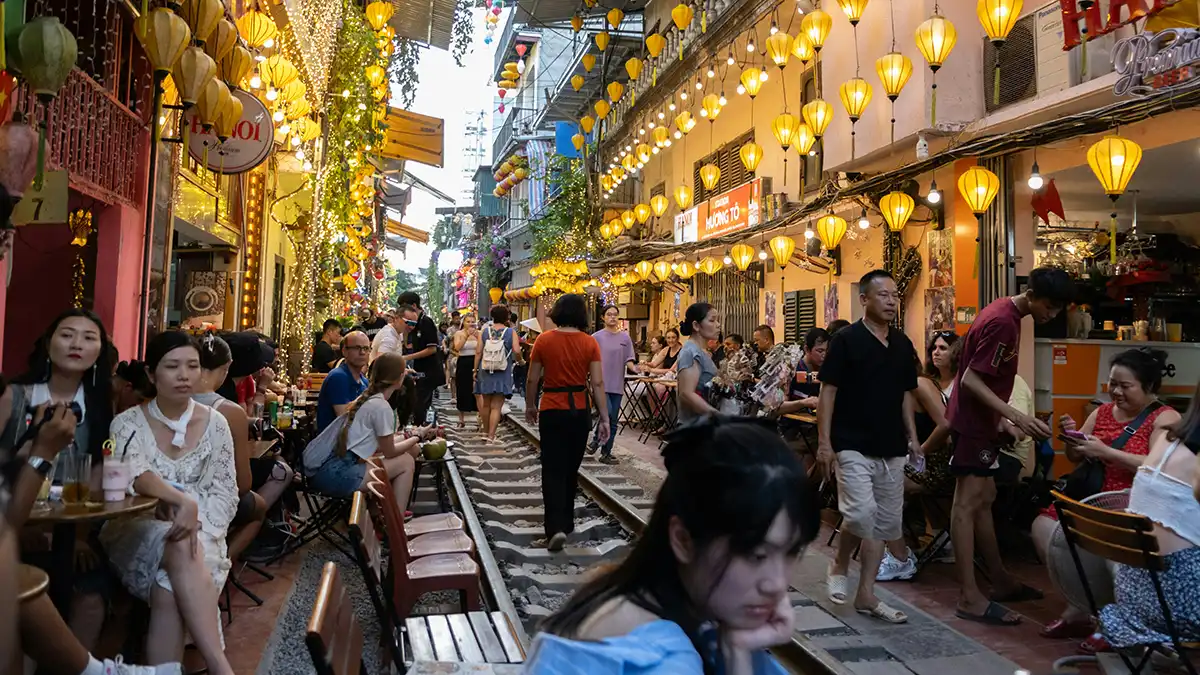
Hanoi Old Quarter street scene during a first trip to Vietnam
Hanoi is the strongest first base for northern Vietnam.

Hanoi

Why go: food, coffee, Old Quarter energy, culture, and easy access to Ninh Binh, Ha Long, Lan Ha, Sapa, or Ha Giang.

Suggested stay: 2 to 4 nights.

Skip if: you want a quiet start and dislike intense traffic. Start slower in Central Vietnam instead.

Ninh Binh limestone landscape for first-time visitors in Vietnam
Ninh Binh gives first-timers limestone scenery without a cruise.

Ninh Binh

Why go: limestone scenery, boat rides, cycling, temples, and easier nature from Hanoi.

Suggested stay: 1 to 3 nights.

Transport note: usually simpler by train, van, or transfer from Hanoi than it looks on a multi-stop route map.

Lan Ha Bay or Ha Long Bay overnight cruise in Vietnam
An overnight cruise can work well if you avoid rushed or poor-quality options.

Ha Long Bay, Lan Ha Bay or Bai Tu Long Bay

Why go: bay scenery and a classic overnight cruise experience.

Suggested stay: usually a 1-night cruise; 2 nights if you want a calmer pace.

Caution: the cheapest cruises can disappoint. Day trips often feel rushed.

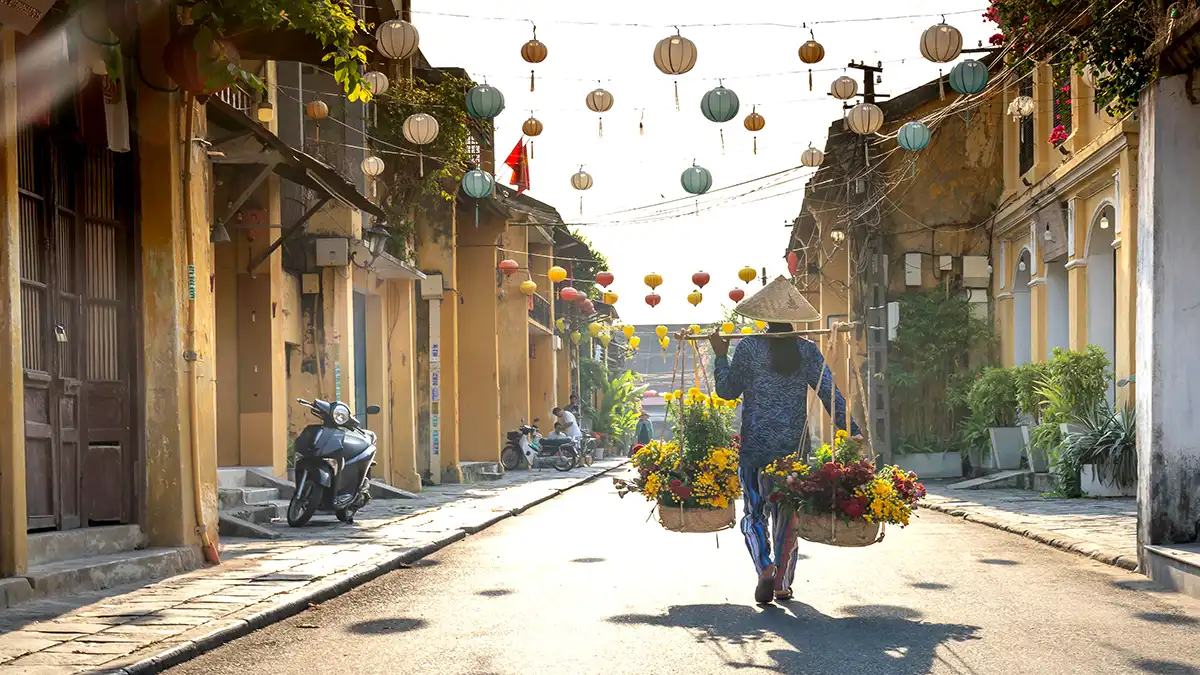
Hoi An old town lantern street on a first Vietnam trip
Hoi An is one of Vietnam's easiest first-time stops.

Hoi An

Why go: old town walks, food, tailoring, cafes, beach access, and an easier first-time rhythm.

Suggested stay: 2 to 4 nights.

Skip if: you only want quiet places. Hoi An can be crowded, especially in the old town core.

Da Nang beach and city stop in central Vietnam
Da Nang is a practical base with beaches, airport access, and easy links to Hoi An and Hue.

Da Nang

Why go: airport access, beach time, modern city comforts, Marble Mountains, and transfer logic.

Suggested stay: 1 to 3 nights.

First-time role: useful base, even if it is not the emotional highlight for every traveler.

Hue Imperial City in central Vietnam
Hue is worth keeping if imperial history and regional food matter to you.

Hue

Why go: imperial history, slower culture, regional food, and a stronger Central Vietnam route.

Suggested stay: 1 to 2 nights.

Skip if: your trip is very short and history is not a priority.

Ho Chi Minh City street scene for first-time Vietnam visitors
Ho Chi Minh City works best if you enjoy cities, food, and southern route access.

Ho Chi Minh City

Why go: big-city energy, food, museums, cafes, nightlife, and access to the Mekong Delta or southern beaches.

Suggested stay: 2 to 3 nights.

Safety note: use Grab or reputable taxis and stay alert around traffic and bag-snatching hotspots.

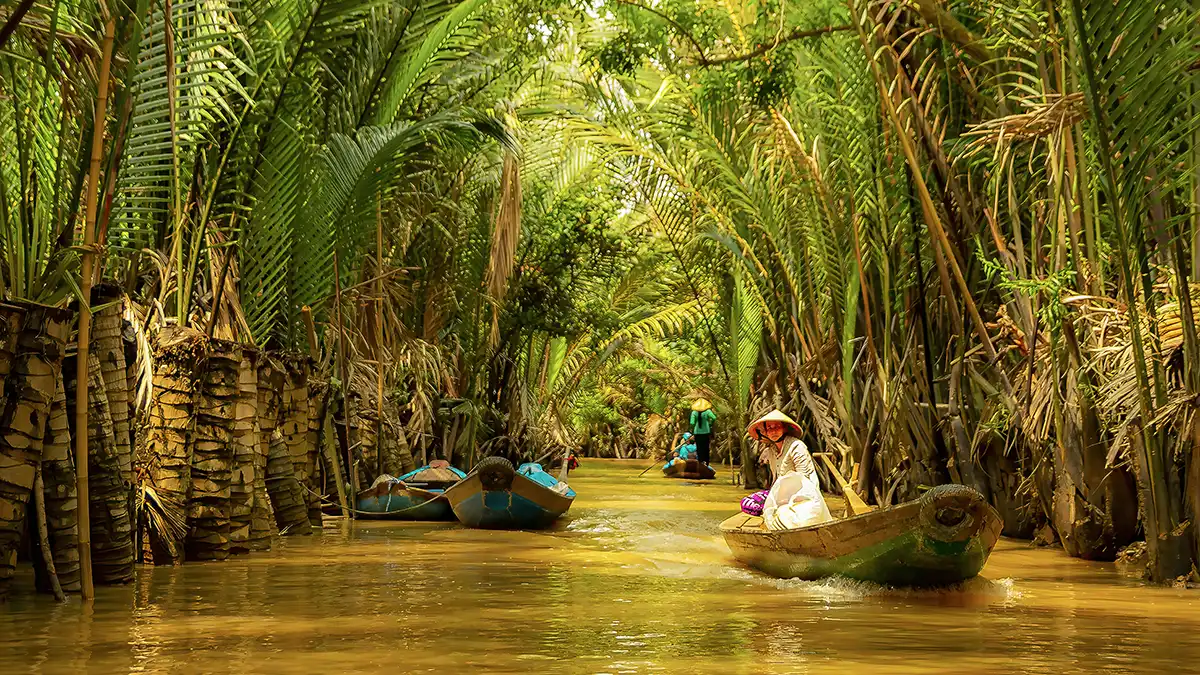
Mekong Delta boat trip in southern Vietnam
The Mekong Delta is better when the route allows enough time for something calmer than a rushed bus day.

Mekong Delta

Why go: river life, food, local markets, and a different southern rhythm after Ho Chi Minh City.

Suggested stay: day trip or 1 to 2 nights.

Caution: very cheap rushed group tours can feel thin. Check routing and inclusions before booking.

Sapa rice terraces in northern Vietnam
Sapa can be rewarding, but weather and route length matter.

Sapa

Why go: mountain scenery, rice terraces, cooler air, and guided treks.

Suggested stay: 2 to 3 nights.

Skip if: your short trip already includes Ha Giang or the weather looks poor for mountain views.

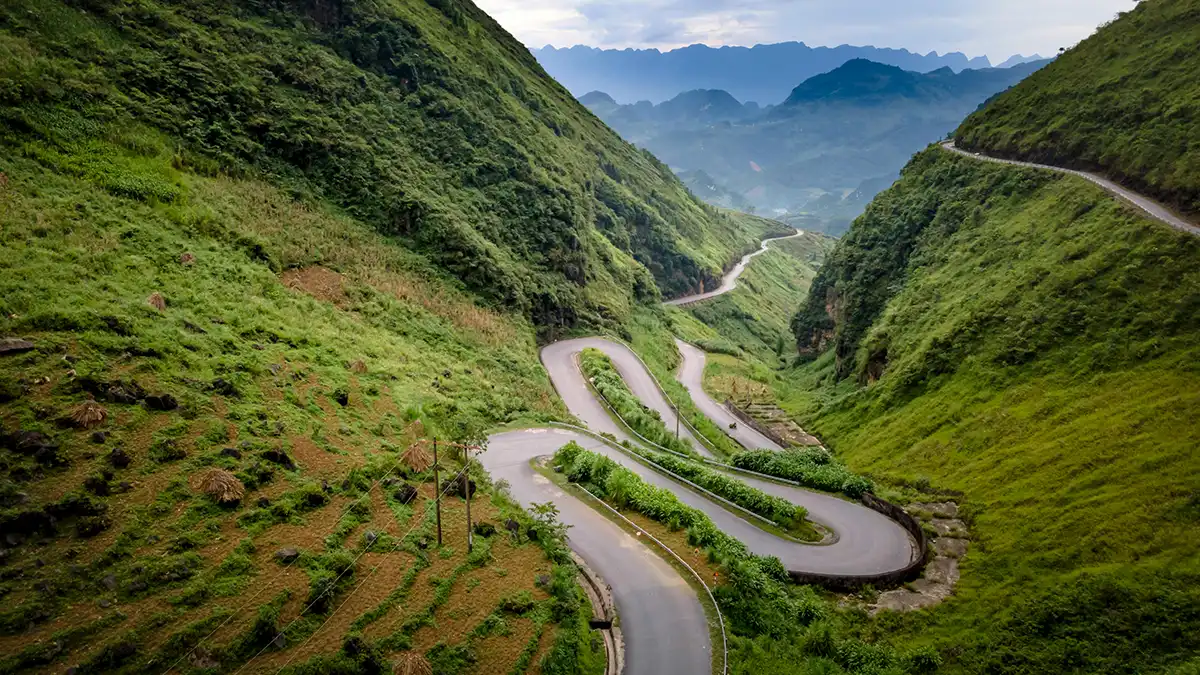
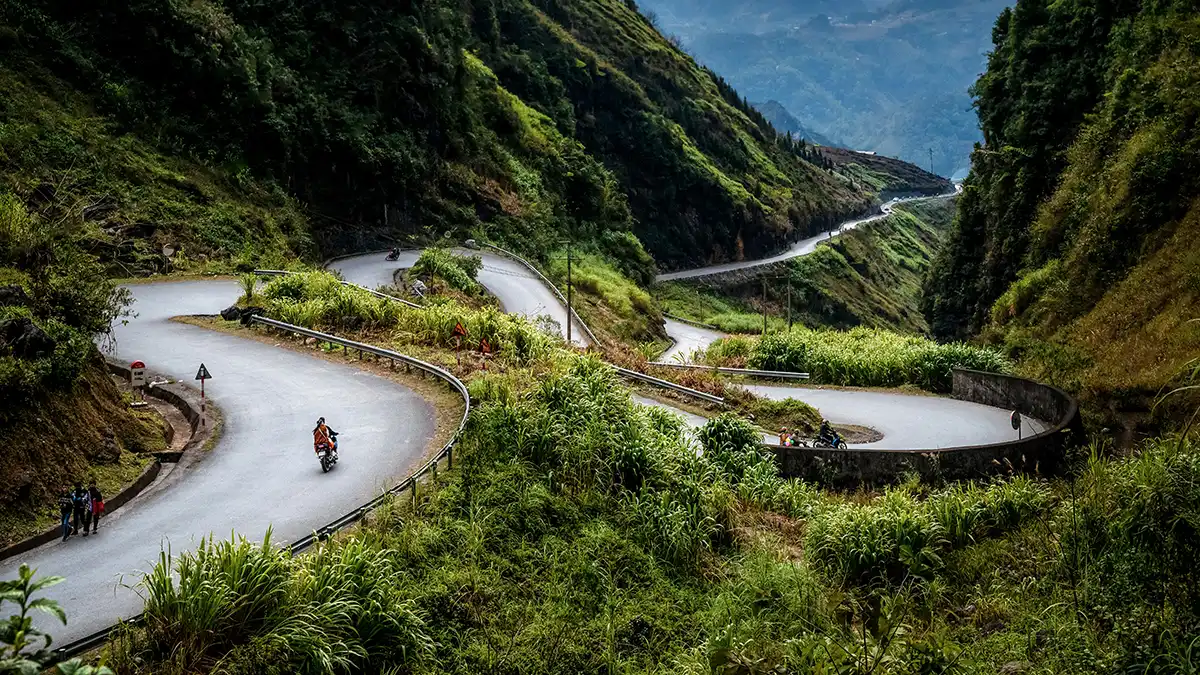
Mountain road on the Ha Giang Loop in northern Vietnam
Ha Giang is better with time, caution, and the right transport choice.

Ha Giang

Why go: mountain roads, dramatic northern scenery, and one of Vietnam's strongest longer-trip experiences.

Suggested stay: 3 to 5 days.

Caution: do not treat the loop as a casual scooter rental if you lack experience, license, insurance, or confidence.

Cave landscape in Phong Nha Vietnam
Phong Nha fits best once the route has 14 days or more.

Phong Nha

Why go: caves, national park scenery, and adventure trips.

Suggested stay: 2 to 3 nights.

Skip if: you only have 7 to 10 days and would need several awkward travel legs to fit it in.

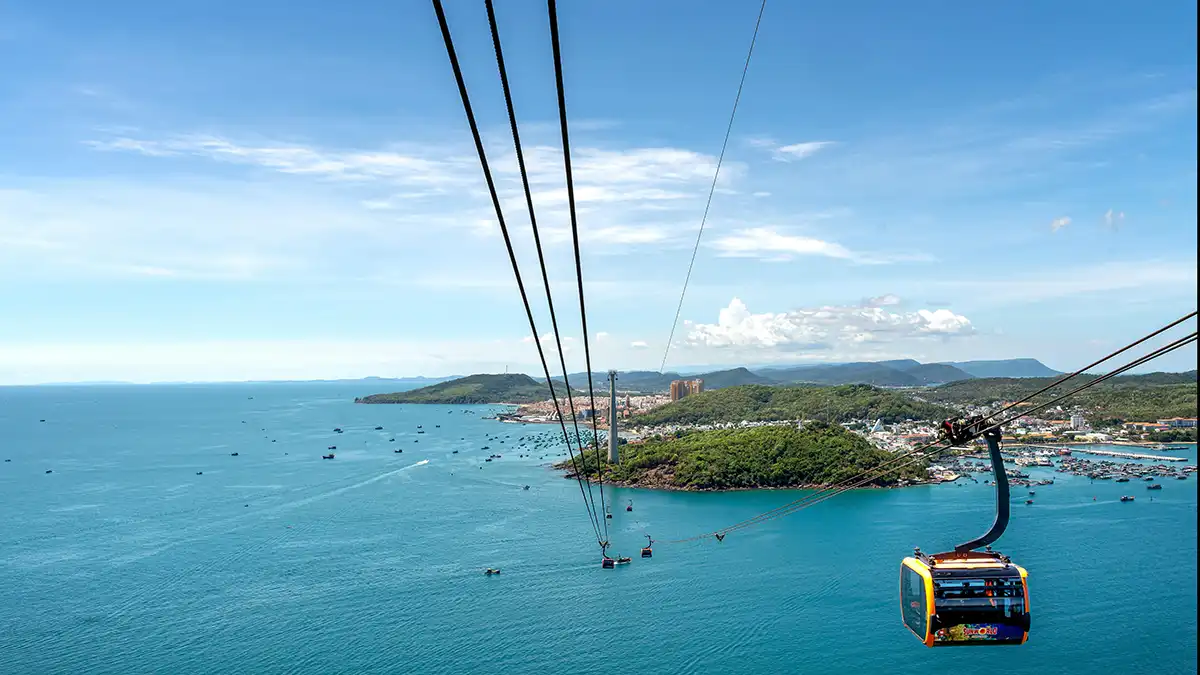
Phu Quoc beach in southern Vietnam
Phu Quoc is a better fit for a southern route or longer trip.

Phu Quoc

Why go: island beach time, resort stays, and an easy southern beach ending when flights work.

Suggested stay: 3 to 5 nights.

Skip if: your route is mostly North and Central Vietnam. Adding Phu Quoc can create too much flight and transfer time.

North, Central or South Vietnam: Which Region Should You Choose?

The clearest way to plan Vietnam is by region first, not by individual sights. Once the region makes sense, the route becomes much easier to edit.

Northern Vietnam

Choose the north if you want the strongest first-time impact

Best for: Hanoi, food, Ninh Binh, Ha Long or Lan Ha, mountains, and dramatic scenery.

Ideal length: 7 to 10 days for a focused route, longer if adding Sapa or Ha Giang.

Caution: Hanoi is intense, mountain weather can be foggy or wet, and day trips can become tiring if stacked too closely.

Central Vietnam

Choose Central Vietnam if you want easier pacing

Best for: Hoi An, Da Nang, Hue, beach access, heritage, food, and family-friendly logistics.

Ideal length: 5 to 8 days, or paired with the north in a 10 to 14 day route.

Caution: autumn rain and storm risk can affect Hoi An, Hue, beaches, and transfers.

Southern Vietnam

Choose the south if you fly into Ho Chi Minh City

Best for: city food, museums, the Mekong Delta, warmer weather, island time, and southern route endings.

Ideal length: 5 to 10 days for a south-focused trip, or part of a 14 day or 3 week route.

Caution: the south is useful, but not every short first trip needs to add it.

Best first-time combination

10 days: North plus Central. 14 days: North plus Central plus Ho Chi Minh City, with the Mekong optional. 3 weeks: North to South or South to North with optional mountains, caves, and beaches.

Best Vietnam Routes for First-Time Visitors

These are route frameworks, not full itineraries. Use them to choose the shape of the trip before you start booking hotels and transfers.

7-Day North Vietnam Route

Route: Hanoi -> Ninh Binh -> Ha Long or Lan Ha -> Hanoi.

Best for: first-timers who want food, limestone scenery, and a cruise without crossing the whole country.

Skip: Central and South Vietnam.

7-Day Central Vietnam Route

Route: Da Nang -> Hoi An -> Hue -> Da Nang.

Best for: easier pacing, food, heritage, beach access, and families or travelers who dislike constant transfers.

Skip: long domestic jumps unless the flights are easy.

10-Day North + Central Route

Route: Hanoi -> Ninh Binh -> Ha Long or Lan Ha -> Da Nang/Hoi An -> Hue or Da Nang.

Best for: a strong first route with variety and manageable editing.

Transport logic: use a domestic flight or train for the long north-to-central jump.

14-Day Classic First-Time Route

Route: Hanoi -> Ninh Binh -> Ha Long or Lan Ha -> Hue -> Hoi An/Da Nang -> Ho Chi Minh City -> Mekong Delta.

Best for: first-timers who want a broad but still realistic Vietnam route.

Skip: extra mountain or island detours unless you remove something else.

3-Week Vietnam Backpacking Route

Route: Hanoi -> Sapa or Ha Giang -> Ninh Binh -> Ha Long/Cat Ba -> Phong Nha -> Hue -> Hoi An/Da Nang -> Da Lat or Mui Ne -> Ho Chi Minh City -> Mekong or Phu Quoc.

Best for: slower travelers who can handle longer transport days and still keep buffers.

Skip: trying to add every mountain, cave, beach, and island.

No Sleeper Bus Route

Route: Hanoi -> Ninh Binh -> fly or train to Da Nang -> Hoi An/Hue -> fly to Ho Chi Minh City.

Best for: travelers who want comfort, families, nervous first-timers, and short trips.

Transport logic: pay more to reduce fatigue.

Train-Friendly Route

Route: Hanoi -> Ninh Binh -> Hue -> Da Nang/Hoi An -> Nha Trang -> Ho Chi Minh City.

Best for: travelers who like slower movement and want fewer flights.

Caution: confirm current train schedules before planning around them.

Comfort / Family Route

Route: Hanoi -> overnight bay cruise -> Hoi An/Da Nang -> Ho Chi Minh City or Mekong.

Best for: less hotel-hopping, better transfers, and a calmer first Vietnam trip.

Skip: too many rural or remote add-ons.

Nature-First Route

Route: Hanoi -> Ninh Binh -> Sapa or Ha Giang -> Phong Nha -> Hoi An.

Best for: scenery, mountains, caves, and active travelers with enough time.

Caution: weather and transport effort matter a lot here.

North to South or South to North?

Either direction can work. North-to-south is common because many travelers start in Hanoi, but south-to-north can be just as logical if flights, weather, Tet timing, or route pacing make it better.

Open-jaw flights matter more than the direction itself. If you can avoid returning to your arrival city, you usually save time and reduce one stressful transfer.

Choose north to south if...

Flights into Hanoi are cheaper, you want to start with Hanoi, Ninh Binh, and Ha Long or Lan Ha, or you want to finish with warmer southern weather, the Mekong, or Phu Quoc.

Choose south to north if...

Flights into Ho Chi Minh City are cheaper, northern weather improves later in your trip, or you want the route to build toward mountains and limestone scenery.

Best Time to Visit Vietnam

Vietnam does not have one perfect travel month for the whole country. A good month for Hanoi and Ninh Binh can be different from a good month for Hoi An, Hue, Ho Chi Minh City, or Phu Quoc.

February to April and September to November are often useful first-time planning windows, but current conditions can vary. If your trip depends on beaches, mountain views, cruises, or motorbike routes, check regional forecasts and local advisories closer to departure.

North

Northern Vietnam weather

Winter can be cool, especially in mountains. Summer is usually hotter and more humid, with heavier rain possible. Mountain fog, cold snaps, rain, and landslides can affect Sapa or Ha Giang plans.

Central

Central Vietnam weather

Da Nang, Hoi An, and Hue can have better dry periods earlier in the year, while autumn can bring heavier rain or storm risk. Flooding can affect Hoi An and Hue in some periods.

South

Southern Vietnam weather

The south is warmer year-round, with dry and rainy season patterns. Rainy season does not always ruin a trip, but afternoon downpours can affect day trips and island plans.

How to Travel Around Vietnam

Vietnam is easy to travel around if you choose the right transport for the route. It becomes tiring when every leg is selected because it is the cheapest one.

Trains, buses, vans, flights, and local taxis all have a place. The best choice depends on distance, comfort, season, and how much time you have.

Domestic flights

Best for: long jumps such as Hanoi to Da Nang or Da Nang to Ho Chi Minh City. They cost more than buses but can save a whole day of route fatigue.

Trains

Best for: selected scenic or slower legs, including parts of the north-to-south route. Confirm current schedules through Vietnam Railways before planning around a specific train.

Sleeper trains

Best for: travelers who want an overnight option with more structure than a sleeper bus. Comfort still varies by route and carriage.

Sleeper buses

Best for: budget travelers with flexible expectations. They are popular and cheap, but not automatically comfortable or reassuring for every beginner.

Limousine vans and tourist shuttles

Best for: Hanoi to Ninh Binh, Hanoi to Ha Long or Lan Ha, Da Nang to Hoi An, and Da Nang to Hue. Check luggage rules, pickup points, and recent reviews.

Grab, taxis and local transport

Best for: city rides and short transfers where available. Avoid airport tout pressure, unclear prices, and unmetered taxis unless arranged by trusted accommodation.

Private transfers

Best for: late arrivals, families, short trips, heavy luggage, or awkward connections where saving stress matters more than saving the last dollar.

Motorbike and scooter rental

Best for: experienced, licensed riders who understand local traffic and insurance limits. It should not be the casual default for first-time visitors.

How Much Does a Vietnam Trip Cost?

Vietnam can be good value, but "cheap country" is not the same as "every route is cheap." Your total changes quickly if you add a Ha Long or Lan Ha cruise, domestic flights, Hoi An tailoring, mountain tours, Phong Nha cave tours, Mekong Delta tours, Phu Quoc flights, travel insurance, eSIMs, private transfers, or better hotels.

Rough planning range

Shoestring backpacker

Often around: $25 to $45 per day.

Dorms, street food, local buses or trains, fewer paid tours, and careful route choices. Verify current prices before budgeting tightly.

Rough planning range

Comfortable budget traveler

Often around: $45 to $80 per day.

Guesthouses or simple hotels, good local food, some cafes, a few tours, vans, Grab rides, and occasional flights or transfers.

Rough planning range

Mid-range traveler

Often around: $80 to $140 per day.

Better hotels, more flights, more comfortable tours, reputable cruises, and private transfers where useful.

Rough planning range

Higher-comfort traveler

Often above: $140 per day.

Boutique hotels, private guides, better cruises, domestic flights, private transfers, and fewer compromises. Costs vary widely by season and style.

Cash is still useful in markets, small towns, street food spots, and some local transport situations.

Is Vietnam Safe for Tourists?

Vietnam is popular with first-time visitors, but traffic, scams, weather, motorbike risk, and long travel days still need planning. Avoid both extremes: do not overstate the risk, and do not treat the trip as effortless.

Traffic is one of the first things visitors notice. Cross carefully, avoid sudden movements, and do not assume vehicles will stop like they might at home.
Grab, reputable taxis, and prearranged transfers are useful when arrival timing or luggage makes public transport stressful.

Traffic safety

Road crossing takes practice. Use marked crossings where possible, move steadily, and be extra cautious around buses, trucks, and fast motorbikes.

Transport safety

Choose reputable operators for buses, vans, cruises, and tours. Sleeper buses are common, but they are not the best fit for everyone.

Scams and overcharging

Taxi pressure, poor-quality tours, cruise bait-and-switch, market overcharging, and motorbike damage claims are easier to avoid when prices and inclusions are clear.

Food and water

Vietnamese food is a highlight. Use normal food hygiene judgment: busy stalls, cooked-to-order food, bottled or filtered water, and careful ice decisions if you are sensitive.

Nightlife

Keep track of drinks, use trusted transport after dark, and avoid walking alone in unfamiliar or poorly lit areas after drinking.

Solo travel

Vietnam can work well solo, especially in Hanoi, Hoi An, Da Nang, Ho Chi Minh City, and popular backpacker hubs. Travel mostly by day when possible.

Solo female travel

Many women travel Vietnam independently, but experiences vary. Recent reviews, trusted transport, central accommodation, and extra care at night are useful.

Motorbike risk

Accidents can be serious and insurance rules matter. Do not rent a scooter just because it looks cheap or convenient.

Common Scams and Travel Mistakes in Vietnam

Most problems are avoidable with clear prices, realistic routes, and a little skepticism around too-good-to-be-true offers.

Taxi and airport tout scams

What happens: unclear fares, detours, or pressure at arrivals. Better choice: use Grab where available, official taxi counters, or prearranged transfers.

Poor-quality tours

What happens: rushed stops, shopping detours, or unclear inclusions. Better choice: compare recent reviews and confirm pickup, meals, entry tickets, and return timing.

Ha Long cruise bait-and-switch

What happens: the boat, cabin, route, or inclusions differ from what you expected. Better choice: avoid the cheapest offers and book with clear details.

Currency confusion

What happens: mistakes with zeros and denominations. Better choice: check notes carefully and use a currency app until the numbers feel natural.

Motorbike rental damage claims

What happens: disputes over scratches or repairs. Better choice: photograph the bike before riding and understand deposit, license, and insurance rules.

Unofficial visa sites

What happens: travelers pay extra or use a third-party site that looks official. Better choice: start from the official Vietnam e-visa or immigration source.

Trying to see everything

What happens: the trip becomes transfers with brief sightseeing breaks. Better choice: choose regions first, then choose places.

Too many sleeper buses

What happens: the route looks cheap but feels exhausting. Better choice: mix flights, trains, vans, and rest days.

Forgetting Tet

What happens: booked-out transport, closures, and higher prices. Better choice: check Tet dates and plan important bookings early.

Vietnam Visa, Entry Rules and Arrival Tips

Visa and entry rules are exactly the kind of detail that can become stale. Treat every blog post, including this one, as route-planning help rather than an official immigration source.

Your first arrival is easier when the visa, first transfer, cash, and SIM or eSIM plan are sorted before the flight.

Arrival is usually smoother if you book the first night, know how you will reach the hotel, have a backup payment card, and decide whether you want an airport SIM, eSIM, or local SIM later. If you arrive late, avoid planning a long onward transfer that same night.

Food, Money, SIM Cards and Practical Travel Basics

Vietnam is one of those countries where practical details shape the trip. Food, coffee, cash, transport apps, and phone data matter almost every day.

Street food and coffee are a major part of the trip. Start with busy places, watch how locals order, and keep cash handy.

Food basics

Pho, banh mi, bun cha, cao lau, com tam, fresh spring rolls, regional noodle soups, seafood, and local market snacks can all fit a first trip. Food changes by region, which is one reason a Hanoi, Hue, Hoi An, and Ho Chi Minh City route feels more varied than it looks.

Coffee culture

Vietnamese iced coffee, egg coffee, coconut coffee, and cafe culture are part of daily travel. Hanoi, Hoi An, Da Nang, and Ho Chi Minh City all have strong coffee scenes, but even smaller stops can surprise you.

Money and ATMs

Cards work in many hotels and nicer restaurants, but cash is still useful for street food, markets, local transport, small guesthouses, and rural areas. Currency zeros can confuse new arrivals, so slow down when paying.

SIM, eSIM and internet

Mobile data helps with Grab, maps, translation, booking confirmations, and route checks. You can use an eSIM before arrival or buy a local SIM after landing; either way, keep data working on travel days.

Useful apps

Grab, Google Maps, Google Translate, a currency app, airline apps, train or bus booking tools, WhatsApp, and sometimes Zalo can all be useful. Do not rely on one app for every town.

Language, etiquette and dress

Learn a few basic words, dress modestly at temples and pagodas, remove shoes where expected, and bargain politely where bargaining is normal. A calm tone helps more than aggressive haggling.

What to Pack for Vietnam

Pack for changing regions, not just the current forecast. Vietnam can mean hot cities, wet central weather, cool northern mountains, boat trips, sleeper transport, and temples in the same route.

Clothes and weather

Light breathable clothes, rain jacket, a warmer layer for northern winter or mountains, swimwear, and temple-appropriate clothing.

Travel comfort

Comfortable shoes, compact backpack, power bank, universal adapter if your devices need one, earplugs, eye mask, and a dry bag for rain or boat days.

Health and admin

Sunscreen, mosquito repellent, reusable bottle or filter option, small medical kit, copies of travel documents, travel insurance details, and backup bank card.

What to Skip on a First Vietnam Trip

Skipping does not mean the place is bad. It means the trip will probably be better if you save it for another route.

The whole country in 7 to 10 days

It looks efficient on paper and feels exhausting in real life. Choose one or two regions instead.

Both Sapa and Ha Giang on a short trip

Pick one mountain experience unless you have enough time and flexibility for weather.

Phu Quoc on a tight north/central route

Island time needs flights and buffer. It is better for southern routes or longer trips.

Cheap Ha Long Bay day cruises

If you expect a calm bay experience, a rushed bargain tour can disappoint. Consider an overnight cruise or Ninh Binh instead.

Casual motorbike rental

Do not rent just because everyone else is doing it. License, insurance, traffic, road conditions, and repair disputes all matter.

Too many one-night stops

Vietnam already has long transfers. One-night hops make the trip feel like luggage management.

Nha Trang or Mui Ne by default

They can fit some routes, but they are not essential if beach time is not the main goal.

Ba Na Hills if crowds and staged attractions bother you

Some travelers enjoy it; others would rather spend that day in Hoi An, Hue, Da Nang, or nature.

Phong Nha is worth considering on longer routes, but it adds transport effort.
Phu Quoc works best when the route already points south or the trip has beach-buffer time.

Suggested First-Time Vietnam Planning Flow

Use this as a simple order of operations before booking.

1. Choose trip length

Be honest about the number of usable days after flights, jet lag, and transfers.

2. Choose travel month

Look at regional weather, not one countrywide forecast.

3. Pick one or two regions

Start broad, then add destinations only if the route still feels calm.

4. Check entry and exit cities

Compare open-jaw flights before booking same-city returns.

5. Decide on long transport

Choose where domestic flights, trains, vans, or transfers make sense.

6. Choose 4 to 6 main stops

Do not turn a first trip into 10 hotel changes.

7. Add buffer time

Weather, delays, laundry, rest, and food days are part of travel.

8. Verify official details

Check visa rules, transport schedules, weather, and major tours close to booking.

9. Book first and last nights

Arrival and departure buffers reduce stress more than most travelers expect.

Use official or government sources for changeable details such as visas, rail schedules, safety advisories, and heritage-site information.

Helpful Booking Tools

These tools sit near the end on purpose. Use them only if they help your route, and always check current prices, luggage rules, pickup details, cancellation terms, and policy wording before booking.

Flight comparison

Compare Atlanta to Nha Trang flights

Use this Aviasales search as a starting point for Vietnam flight planning. It is set to Atlanta to Nha Trang, so compare nearby airports, layovers, luggage rules, hotel bundles, and total fare conditions before booking.

Airport transfers

Airport transfers for a calmer first arrival

Useful if you arrive late, have heavy luggage, or want a simpler first night between Noi Bai Airport and Hanoi. Check pickup details before booking.

Tours and activities

Ha Long and Lan Ha cruise options

Useful if a bay cruise is part of your route. Check cabin type, route, pickup point, meals, inclusions, and cancellation terms before booking.

Open GetYourGuide

Tours and activities

Ninh Binh tours and transfers

Useful if you want to compare Tam Coc, Trang An, Hoa Lu, cycling, and transfer combinations from Hanoi.

Open GetYourGuide

Tours and activities

Mekong Delta tour options

Useful for comparing day trips and overnight routes from Ho Chi Minh City. Check whether the route feels rushed before booking.

Open GetYourGuide

Tours and activities

Hoi An cooking classes

Useful if food is part of your Central Vietnam plan. Check market visits, class size, dietary details, and transport before booking.

Open GetYourGuide

eSIM and mobile data

Stay connected for maps and bookings

Mobile data helps with Grab, route changes, translation, accommodation messages, and booking confirmations.

Travel insurance

Compare cover before the trip

Insurance does not replace official advice or good decisions, but it is worth comparing if your route includes long transfers, cruises, motorbike exposure, caves, or weather-sensitive plans.

Flight disruption help

AirHelp for delayed or cancelled flights

If a flight is delayed, cancelled, or heavily disrupted, AirHelp can help you check whether compensation support may apply. It does not replace airline updates, official advice, or travel insurance.

This page is the starting point for the Vietnam cluster. As deeper guides go live, use them to narrow your route, transport, budget, safety checks, and destination choices.

FAQ

FAQs About Visiting Vietnam for the First Time

Is Vietnam good for first-time visitors?

Yes. Vietnam is good for first-time visitors who plan a realistic route, choose transport carefully, and leave room for weather, traffic, and long travel days.

How many days do you need in Vietnam?

Ten to fourteen days is best for most first-time visitors. Seven days can work for one region, while three weeks gives enough room for a slower north-to-south or south-to-north route.

Is 10 days enough for Vietnam?

Yes, 10 days is enough if you focus the route. North plus Central Vietnam is usually more realistic than trying to include the whole country.

Is 2 weeks enough for Vietnam?

Yes. Two weeks is one of the best first-trip lengths because it can include northern highlights, Central Vietnam, and Ho Chi Minh City or the Mekong with careful transport planning.

Should I travel north to south or south to north?

Either direction can work. Choose based on flights, weather, Tet timing, and route logic. Open-jaw flights are usually more useful than following one universal direction.

What is the best Vietnam route for first-time visitors?

A strong first route is Hanoi, Ninh Binh, Ha Long or Lan Ha, Hue, Hoi An or Da Nang, Ho Chi Minh City, and possibly the Mekong Delta if you have enough time.

Is Hanoi or Ho Chi Minh City better for first-time visitors?

Hanoi is usually better if you want a northern route with Ninh Binh and Ha Long or Lan Ha. Ho Chi Minh City is better for southern routes, city food, museums, and Mekong Delta access.

Is Ha Long Bay worth visiting?

Ha Long Bay or nearby Lan Ha Bay can be worth visiting if you choose a reputable cruise and allow enough time. Very cheap or rushed tours can disappoint.

Should I visit Ha Long Bay or Ninh Binh?

Choose Ha Long or Lan Ha for a bay cruise. Choose Ninh Binh for limestone scenery, cycling, boat rides, and easier land-based travel. With limited time, Ninh Binh is often simpler.

Is Sapa or Ha Giang better?

Sapa is usually easier to fit into a first trip. Ha Giang is stronger for mountain-road scenery but needs more time, better planning, and careful motorbike or easy-rider decisions.

Is Vietnam safe for tourists?

Vietnam is popular with tourists, but traffic, scams, weather, transport choices, and motorbike risk still need planning. Check current official travel advice before your trip.

Is Vietnam safe for solo travelers?

Vietnam can work well for solo travelers, especially on established routes. Travel mostly by day, choose central accommodation, use trusted transport, and keep valuables secure.

Is Vietnam safe for solo female travelers?

Many women travel Vietnam independently, but experiences vary. Recent accommodation reviews, trusted transport after dark, central locations, and normal safety precautions are important.

Is Vietnam expensive?

Vietnam can be good value, but costs rise with domestic flights, cruises, private transfers, better hotels, cave tours, tailoring, and island add-ons. Treat budget ranges as rough planning guides.

What is the best month to visit Vietnam?

There is no single perfect month for all of Vietnam. February to April and September to November are often useful planning windows, but regional weather should guide your route.

Do I need a visa for Vietnam?

Visa rules depend on nationality, trip length, entry point, and current policy. Verify requirements on the official Vietnam e-visa or immigration source before booking flights.

Is it easy to travel around Vietnam without a motorbike?

Yes. First-time visitors can use domestic flights, trains, vans, buses, Grab, taxis, tours, and private transfers. You do not need to rent a motorbike to have a good trip.

Are sleeper buses safe in Vietnam?

Sleeper buses are common, but comfort and safety can vary by operator, road, weather, and route. Nervous first-timers may prefer trains, flights, vans, or daytime travel where possible.

Should I rent a motorbike in Vietnam?

Only rent a motorbike if you are experienced, licensed, properly insured, and comfortable with local traffic. It should not be a casual default for first-time visitors.

What should I skip on a first Vietnam trip?

Skip the whole-country checklist, too many one-night stops, casual motorbike rental, both Sapa and Ha Giang on a short trip, Phu Quoc on a tight north-central route, and the cheapest Ha Long Bay cruise if expectations are high.

Final Thoughts: How to Plan a Better First Vietnam Trip

Vietnam is excellent for first-time visitors, but not if you plan it like a checklist. Choose fewer places, respect the length of the country, plan around regional weather, use flights for long jumps if the trip is short, and do not rent a motorbike casually.

Verify visa and official details before booking, keep transport days realistic, and save some places for a second trip. The best first Vietnam route is not the one with the most pins. It is the one that gives each region enough time to make sense.

Newer story Sigiriya Travel Guide: Practical First-Time Visitor Guide Older story Solo Travel in Sri Lanka: Practical Guide for First-Time Visitors

Related Stories

Keep exploring nearby themes and places

All stories

Reader Notes

Share your thoughts

Have a question, update, or personal tip about Vietnam Travel Guide: Practical First-Time Visitor Guide? Add it below. Comments are reviewed before they appear on the page.

Rate this guide

Ratings appear here when available.

Reader comments will appear here after review.

Spam protection appears before you submit.

Disclosure

Some articles on WeltFox may include affiliate links. If you book or buy through them, the site may earn a small commission at no extra cost to you. Read the full disclosure.