
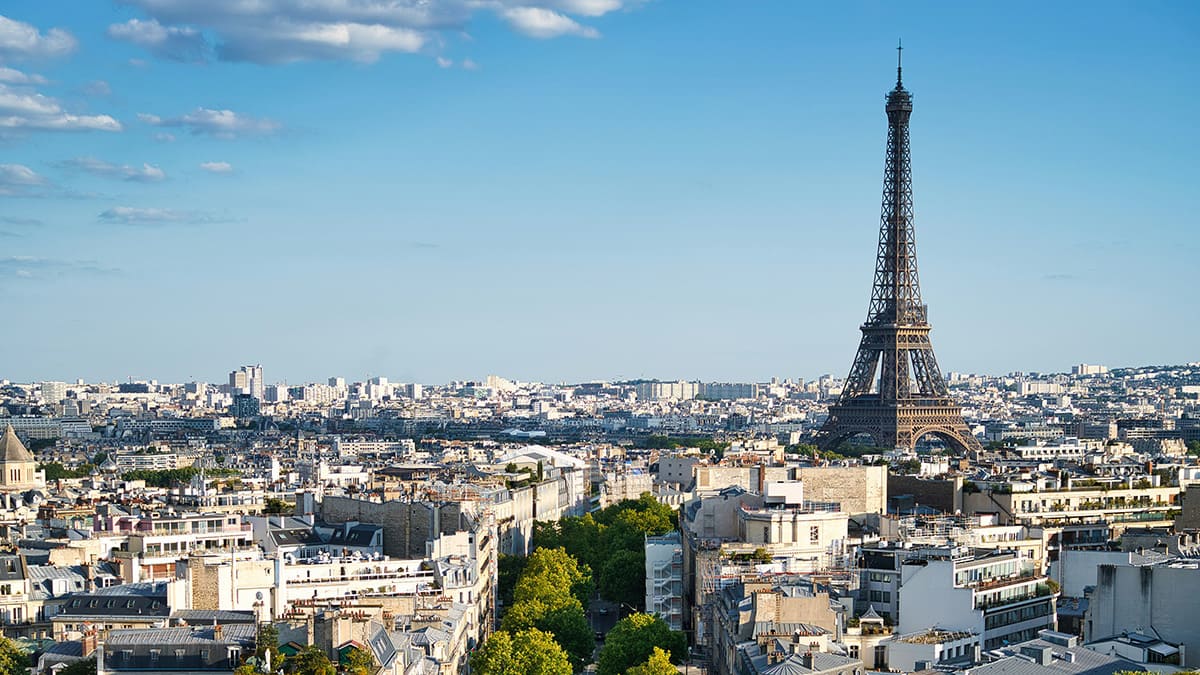
Paris rewards selective planning. A first trip works better when you choose one major reservation for most days, keep nearby sights together, and leave enough time for meals, security checks and ordinary city movement.
Three days can cover the historic center, one major museum, the Eiffel Tower area and Montmartre. Four days is the strongest first-visit balance. Five days creates room for Versailles, a second museum or slower neighborhood time without turning every day into a race.
This guide explains those decisions rather than presenting every Paris attraction as compulsory. It also separates stable planning advice from details that need a fresh official check, including transport works, ticket rules, monument access and entry requirements.
Table of contentsJump to a section
Paris at a glance
Four days
Three days is focused. Five days makes Versailles or a slower second museum much easier to include.
One anchor booking per day
Build nearby walks and free sights around the Louvre, Eiffel Tower, Musée d’Orsay or another timed entry.
Walking plus Metro, RER and buses
Walk inside compact districts. Use public transport between distant areas instead of linking the whole city on foot.
Le Marais, Latin Quarter, Saint-Germain or Louvre/Opéra
Choose by evening atmosphere, hotel budget and transport access, not by distance to one landmark alone.
Your limited or timed priorities
Eiffel Tower levels, major museum slots and Versailles Palace entry deserve attention before minor activities.
Treating every famous place as required
Skip the second viewpoint, extra museum or distant day trip when it weakens the rest of the route.
How many days do you need in Paris?
Three days: a focused introduction
Three full days can work if Paris is one stop in a longer trip. Keep the route central, choose either the Louvre or Musée d’Orsay when museum energy is limited, and avoid Versailles. A strong three-day plan covers the historic islands and Le Marais, the Louvre or Orsay, the Eiffel Tower and Arc de Triomphe area, plus Montmartre.
This version leaves little recovery time after a delayed arrival or poor weather. Do not fill both arrival and departure days as though they were full sightseeing days.
Four days: the best balance for many first visits
Four full days lets you separate the historic center, central-west museums, western monuments and Montmartre. It also gives you a choice between a second museum, a Seine cruise, a longer neighborhood walk or a slower afternoon.
Versailles still requires a trade-off. It can replace one Paris day, but it should not be squeezed between central attractions.
Five days: room for a day trip or slower pacing
Five days is useful when Versailles matters, when you want both the Louvre and Musée d’Orsay, or when mobility, children or museum fatigue call for shorter days. It also gives bad weather less power over the whole trip.
The extra day should improve the pace rather than create another list of ten stops.
Plan Paris by area
Paris looks compact on a map, but queues, river crossings, station corridors and transfers add time. Use these clusters to decide what belongs together.
Notre-Dame, Île de la Cité and Île Saint-Louis
Combine the cathedral with the river islands, Sainte-Chapelle if booked, and part of the Latin Quarter or Le Marais.
Louvre, Palais Royal and Tuileries
Make the Louvre the day’s anchor. Add only a manageable garden or neighborhood walk after the museum.
Eiffel Tower, Trocadéro and Arc de Triomphe
These fit the same broad day, but they are not side by side. Use Metro or a bus between the tower and the Arc when needed.
Musée d’Orsay, Saint-Germain and Luxembourg Gardens
Choose Orsay as the timed anchor, then add a café area or garden according to energy and weather.
Montmartre and Sacré-Cœur
Treat the slopes and stairs as a separate half-day rather than an extension of a central Paris walk.
Versailles
The palace, gardens and Trianon estate sit outside central Paris. Reserve at least half a day, with a full day preferable for the wider estate.

Essential Paris sights: what to choose
The places below are choices, not a numbered checklist. Start with the interests that brought you to Paris, then judge each addition by its location and time cost.
Eiffel Tower
Choose the Eiffel Tower if going up the structure matters, not simply because the skyline view is famous. The official ticket system separates stairs and elevator access as well as second-floor and summit products. A second-floor visit can be enough for many people; summit access costs more, requires an elevator change and may be restricted by weather or high demand.
Official elevator e-tickets generally go on sale up to 60 days ahead, while online stairs tickets are generally released up to 30 days ahead. Same-day sales, the access types available and summit access can change, so check the official ticket office for your date. A timed ticket does not remove mandatory security screening.
Check the official Eiffel Tower ticket office and visit-planning guidance before choosing a level. The summit and stairs are not suitable for some visitors with reduced mobility; the official accessibility guidance recommends elevator access to the second floor in those cases.
Louvre Museum
Choose the Louvre for the scale of the collection, ancient civilizations, major European painting and the palace itself. Do not plan to “finish” it. Pick a small number of departments or works, follow the museum map and stop before fatigue takes over.
The Louvre is closed on Tuesdays. Its official page currently lists late opening on Wednesdays and Fridays, but schedules and room access can change. Time-slot booking is recommended and may become mandatory for most visitors during peak periods, as it did in summer 2026. Free admission eligibility does not always remove the need to reserve.
Buy through the official Louvre visit page or the museum’s linked ticket office. The Louvre warns about mirror sites and tickets claiming to bypass all queues.
Louvre or Musée d’Orsay?
Choose the Louvre if you want a vast, cross-period museum and are willing to navigate a large building. Choose Musée d’Orsay if nineteenth-century art, Impressionism and a more compact visit are stronger priorities. Orsay may be the better first museum for someone who wants a focused half-day rather than an encyclopedic collection.
Musée d’Orsay is closed on Mondays and normally has a late opening on Thursdays. From March 2026 through summer 2028, it is renovating public reception areas while remaining open. Entrances and visitor routes may change, so online booking and a same-week access check are sensible. Use the official Musée d’Orsay visit page and its renovation notice.
Notre-Dame and Île de la Cité
Notre-Dame is open to visitors. Ordinary entry to the cathedral is free, and an optional free reservation through the cathedral’s own website can reduce waiting. It is not a paid admission ticket, and no third-party platform is authorised to sell ordinary cathedral entry.
Visiting hours, worship, events and security arrangements can affect access. Check the official free Notre-Dame reservation page. Paid products for the towers, treasury or guided interpretation are separate from ordinary cathedral entry.
Use the visit as part of a historic-center day. The riverbank, Île Saint-Louis, Sainte-Chapelle and the Latin Quarter are more coherent additions than a cross-city detour.
Montmartre and Sacré-Cœur
Montmartre is worth a half-day when steep streets, city views and neighborhood atmosphere matter. Start or finish around Sacré-Cœur, but spend time away from the busiest steps and souvenir streets. The hill involves gradients, cobbles and stairs; the funicular can reduce part of the climb but does not make every street step-free.
Do not combine Montmartre with Versailles. Pair it with a lighter central activity or an evening elsewhere. Early morning can make the streets easier to navigate, while evening offers atmosphere but also busier gathering points.
Arc de Triomphe
The Arc de Triomphe can be a better viewpoint choice than the Eiffel Tower when you want the Eiffel Tower in the panorama. It also fits naturally with the Champs-Élysées and western Paris.
Reach the monument through the official underground passage rather than crossing the traffic circle. The normal route to the terrace includes 284 steps. The current official practical page reserves lift access for visitors who need it and says no advance lift booking is required; it is not a general shortcut. Equipment status and visitor access can change, so check the current notice before booking when step-free access affects the visit. Event ceremonies, weather and security can also alter access.
Check the official Arc de Triomphe practical information, especially when accessibility affects the decision.
Le Marais
Le Marais is useful because it adds ordinary streets, food stops and smaller cultural choices to a monument-heavy trip. It combines well with the eastern side of the historic center. Choose one or two anchors, such as Place des Vosges or a museum, and leave time to wander rather than plotting every shop.
Parts of the district are busiest at weekends and in the evening. If nightlife is not a priority, visit earlier and continue toward the Seine or Île Saint-Louis.
Seine cruise
A Seine cruise can be useful on an arrival evening, after a western Paris day or when walking energy is low. It gives geographic context without adding another museum. Compare departure point, route, duration, seating and cancellation terms rather than choosing from a photo alone.
It is optional. If the weather is poor or the schedule creates backtracking, a riverbank walk may serve the same planning purpose at no ticket cost.
Luxembourg Gardens and a slower Left Bank walk
Luxembourg Gardens is a useful pause when the route already includes Saint-Germain, the Latin Quarter or Musée d’Orsay. It is not worth crossing Paris solely to tick off another park. Use it for a slower hour, especially after a museum or before dinner.
For an alternative green walk, the Coulée Verte René-Dumont, often called the Promenade Plantée, offers an elevated route in eastern Paris. It belongs in a longer visit, not a tightly packed three-day plan.
Versailles
Versailles is a separate excursion. The Palace uses timed entry, while the wider estate includes large gardens, the park and the Trianon area. The official site advises a full day to make the most of the estate. Treat half a day as the minimum for a selective Palace-focused visit, not the default for seeing everything.
The Palace is closed on Mondays. Garden charging and fountain or musical-garden access differ by season and date, and the Trianon estate opens later than the Palace. Check exactly what a ticket includes before booking through the official Versailles planning page.
Versailles is usually poor value on a two- or three-day first visit because it removes most of a Paris day. On a five-day stay, it becomes a realistic choice.
What to skip on a short first trip
Skipping is part of good itinerary design. These are the first cuts to consider when time is limited.
Versailles
Keep the time in Paris unless the palace is a primary reason for the trip. The transport and estate consume a substantial part of a day.
Choose one paid panorama
The Eiffel Tower and Arc de Triomphe offer different views, but most short trips do not need both paid ascents.
Do not force Louvre and Orsay together
Choose one when art is not the main purpose of the trip. Keep the second for a fourth or fifth day.
Outer parks and one-photo streets
Canal Saint-Martin, Parc des Buttes-Chaumont and Rue Crémieux can wait when the central route is already full.
Multiple timed entries in one day
Security checks and delays make a chain of fixed slots fragile. One anchor booking leaves room to adapt.
Hotel changes inside Paris
Stay in one base. Changing neighborhoods rarely saves enough travel time to justify packing again.
Realistic 3, 4 and 5 day Paris itineraries
These plans show geographic order, not a minute-by-minute schedule. Swap museum days around official closed days and your booked slots.
Focused first visit
- Notre-Dame, the river islands and Le Marais.
- Louvre or Musée d’Orsay, then nearby gardens and streets.
- Eiffel Tower and Arc area, with Montmartre later only if energy allows.
Skip Versailles and the second major museum.
Best all-round balance
- Historic center and Le Marais.
- Louvre, Palais Royal and Tuileries.
- Eiffel Tower, Trocadéro, Arc and optional cruise.
- Montmartre plus Musée d’Orsay, Saint-Germain or a slower afternoon.
Keep Versailles as an optional replacement, not an addition.
Day-trip or slower version
- Historic center and Le Marais.
- Louvre and central-west Paris.
- Eiffel Tower and western Paris.
- Montmartre plus a flexible neighborhood or Orsay visit.
- Versailles, or a second museum and slower Left Bank day.
Choose the fifth day according to your strongest interest.
Do not schedule Versailles and a fixed evening attraction tightly together. Do not put the Louvre and Musée d’Orsay on consecutive packed half-days unless museums are the central purpose of the trip.
Where to stay in Paris
There is no single best arrondissement. A useful base balances evening comfort, transport and price. Being beside one landmark can leave you far from the rest of the itinerary.
Le Marais
Best for: restaurants, evening street life and access to the historic center.
Trade-off: popular streets can be noisy and room prices vary sharply.
Latin Quarter
Best for: Notre-Dame, Luxembourg Gardens and practical Left Bank access.
Trade-off: the busiest restaurant streets can feel tourist-oriented.
Saint-Germain-des-Prés
Best for: a polished Left Bank base near cafés, Orsay and the Seine.
Trade-off: accommodation is often expensive for the room size.
Louvre and Opéra area
Best for: central transport, museums, department stores and some airport or railway connections.
Trade-off: parts are businesslike after hours, and “near Opéra” covers a broad area.
Check the nearest station, not just the arrondissement number. Two hotels in the same district can produce different journeys. Read recent reviews for street noise, lifts, air conditioning and room access rather than relying only on a star category.
Getting around Paris
Walking is best within a district. Metro, RER and buses are best between districts. A route that links Notre-Dame, the Eiffel Tower, Montmartre and Le Marais entirely on foot is possible on paper but wastes energy needed for the places themselves.
Use the Île-de-France Mobilités app and website to plan routes, buy supported tickets and check live disruption. Use RATP for network maps and service works. Summer 2026 includes significant works across several lines, so an old screenshot is not enough.
Which 2026 transport ticket fits?
The fare system separates rail journeys, surface transport and airport journeys. Navigo Easy and a compatible smartphone are media that hold tickets; they are not unlimited passes by themselves.
Metro-Train-RER Ticket
The full 2026 single fare is €2.55. Use it for Metro, train and RER journeys within the permitted regional network, excluding airport stations.
Bus-Tram Ticket
The full 2026 single fare is €2.05. It is a different ticket from the Metro-Train-RER product.
Paris Region-Airports Ticket
The full 2026 fare is €14. It covers eligible Metro, train and RER airport journeys, including line 14 to Orly and RER B to CDG.
Navigo Day
The all-zone 2026 fare is €12.30, but airport access is excluded. Compare it with the number and type of journeys you will actually make.
Navigo Weekly
This can suit a trip aligned with its calendar-week validity. It is not automatically best for any seven consecutive days.
Paris Visite
This includes airport travel and can be convenient, but convenience does not guarantee savings. Compare the official price with your planned journeys.
The figures above were checked on the official 2026 fare page. Buy only through official apps, ticket machines or authorised counters, and validate as instructed. Keep the ticket or digital proof until the journey is complete.
For step-free planning, expect many historic Metro stations to involve stairs and check the exact route rather than assuming the whole network is accessible or inaccessible. Accessibility varies by station, line and current equipment status; a bus, RER connection or different station may be easier for some journeys. Use the official accessible-route information, and confirm the hotel’s entrance and lift directly because an advertised lift may not serve every floor.
Paris airports to the city
Confirm the airport and terminal before choosing transport. Charles de Gaulle, Orly and Beauvais require different decisions, and a late arrival may change what is sensible.
Charles de Gaulle Airport (CDG)
RER B is the main rail link between CDG and central Paris. Airport stations serve different terminal groups, so follow terminal signs and confirm any internal transfer. RER B also has regular works and occasional interruptions; check the specific travel date before relying on it.
RoissyBus is no longer an option. Île-de-France Mobilités ended the service on 1 March 2026. Ignore older Paris guides that still send travelers to the Opéra stop.
Orly Airport (ORY)
Metro line 14 provides a direct public-transport connection between Orly Airport and central Paris stations. RER B with Orlyval remains another rail combination, but the best route depends on the hotel and current works. Use the specific airport ticket unless an eligible pass already covers the journey.
Paris Beauvais Airport (BVA)
Beauvais is much farther from central Paris than CDG or Orly, so a low headline fare can hide a longer and more complicated city transfer. The official Aérobus commonly links the airport with the Porte Maillot area when that route is operating. Check the current airport shuttle page for the route, Paris stop, timetable and onward connection rather than relying on an old booking confirmation or guide.
Early departures can create difficult pre-dawn logistics. Compare the complete door-to-door time and cost, including the trip from your accommodation to the shuttle, before choosing a Beauvais flight.
Taxi, prebooked transfer or public transport?
Public transport is usually the clear default when service is operating and luggage is manageable. An official taxi rank or a prebooked transfer may make more sense after a late arrival, for a group, with substantial luggage or when step-free needs make the rail route difficult.
Do not accept unsolicited drivers inside the terminal. Follow official taxi signs, confirm what a prebooked service includes, and compare the full cost. For current airport choices, use official Île-de-France airport transport guidance and live service information.
Booking Paris tickets without overplanning
Book in order of scarcity and importance, not in the order attractions appear on a search-results page.
- Choose the day shape first. Decide which zone belongs on each day.
- Book the hardest anchor. This is often an Eiffel Tower level, a Louvre or Orsay slot during a busy period, or Versailles Palace entry.
- Add flexible nearby places. Gardens, river walks and neighborhoods should absorb delay rather than create more deadlines.
- Read the exact product. “Eiffel Tower access” may stop at the second floor; a Versailles ticket may not include every garden event; a tour near Notre-Dame is not cathedral admission.
- Keep security time. A timed slot does not guarantee instant entry.
Notre-Dame ordinary entry is free. Do not buy a third-party “cathedral entry ticket.” Museum and monument passes can be useful only when the included places match your actual route and still allow any required timed reservations.
Optional booking tools for Paris
Use these only after deciding your dates, daily zones and priority reservations. The widgets stay inactive until you choose to load them. Compare the final price, cancellation terms, meeting point, luggage rules and official admission details before paying.
Affiliate booking tools: The tools below contain affiliate links. If you make an eligible booking through them, WeltFox earns a commission at no additional cost to you. Read our full affiliate disclosure.
Best time to visit Paris
Paris is a year-round city, but the trade-offs change.
Spring
Longer days and active gardens are useful for walking, but rain and temperature swings remain possible. Holiday periods can still be busy.
Summer
Long daylight supports evening plans. Expect high demand, possible heat and extensive transport or road works. Reserve priorities early.
Autumn
September can remain busy, while later months bring shorter days and more indoor planning. Layer clothing and keep weather flexibility.
Winter
Short daylight and cold or wet conditions favor museums and cafés. Holiday weeks are not automatically quiet or inexpensive.
There is no universally cheapest or least crowded month. Hotel demand can rise around trade fairs, fashion events, school holidays and major exhibitions. Check the official Paris tourism office event calendar alongside accommodation prices before fixing dates.
Paris travel costs
Paris can be planned at different price levels, but the accommodation location and number of paid sights matter more than a generic daily-budget promise.
Compare the total stay
Include taxes, breakfast, cancellation terms and transport from the hotel. A cheaper outer room can add time and fares every day.
Pay for priorities
One viewpoint, one major museum and selected monuments control costs better than a pass bought before the route is decided.
Mix formats
Combine bakeries, markets, simple lunch menus and chosen restaurant meals. Do not schedule every meal beside a major landmark.
Count actual journeys
Walking by zone reduces travel. Compare single tickets and passes only after adding airport travel and day-trip plans separately.
Free choices include many neighborhood walks, public gardens, riverbanks and ordinary entry to Notre-Dame. Free does not mean unrestricted; opening hours, events and security still apply.
Safety, entry and practical details
Personal safety
Paris requires the same alert city habits as other major capitals. Keep bags closed and in front in crowded transport and attraction queues. Be cautious when someone creates a distraction through a petition, game, bracelet or urgent request. Buy transport and attraction tickets only from official channels.
Use licensed taxis and official airport ranks. Keep a separate copy of important identity documents. The official Paris tourism office provides visitor safety guidance covering pickpockets, document loss and common distraction tactics.
For an emergency, 112 reaches the European emergency service. Police can also be reached on 17 in France. The official French public-service page lists current emergency numbers and accessibility options.
Entry requirements
Visa and document rules depend on nationality, residence, trip purpose and length. Use the official France-Visas checker rather than assuming one rule applies to everyone.
As checked on 4 August 2026, the EU Entry/Exit System (EES) is operational for covered non-EU short-stay travelers at participating external borders. ETIAS is not yet active; the EU says it is expected to begin in the last quarter of 2026 and that travelers do not need to act yet. Verify both through the official EES page and official ETIAS page shortly before travel.
Mobile data and useful apps
Check your home provider’s roaming terms before buying anything. A local SIM or eSIM can help with transport alerts, tickets and navigation, but it is optional. Confirm device compatibility, data allowance, hotspot rules, activation timing and refund terms. Download essential booking confirmations and a small offline map in case mobile service fails.
Dining and everyday etiquette
Say “bonjour” when entering a small shop, bakery or café before making a request. Restaurant prices generally include tax and service, so any extra tip is discretionary rather than compulsory; the Paris tourism office explains local prices and tipping. In churches and other worship spaces, keep voices and photography respectful, and do not block residential entrances or doorways while taking photos.
Before you travel to Paris
- Confirm the airport, terminal and arrival time.
- Check nationality-specific entry and document rules.
- Choose a three-, four- or five-day route before buying passes.
- Reserve only the priority timed attractions.
- Verify museum closed days against the final itinerary.
- Check RATP and Île-de-France Mobilités service works.
- Compare airport ticket rules with any transport pass.
- Save official tickets and confirmations offline.
- Check hotel access, lift and late-arrival arrangements.
- Pack shoes suitable for long walking days and stairs.
- Keep emergency numbers and insurance details accessible.
- Leave one flexible block for weather, fatigue or delays.
FAQ
Paris travel FAQ
How many days do you need in Paris for a first visit?
Four full days is a strong first-visit balance. Three days can cover a focused central route, while five days gives you room for Versailles, a second museum or slower pacing.
Is three days enough for Paris?
Three days is enough for a focused introduction if you group sights by area, choose one major museum and skip Versailles. It is not enough to see every major attraction without rushing.
Should you choose the Louvre or Musée d'Orsay?
Choose the Louvre for a vast collection spanning many periods and cultures. Choose Musée d'Orsay for nineteenth-century art, Impressionism and a more compact museum visit. Include both only when art is a priority and you have enough recovery time.
Is Versailles worth visiting on a first trip?
Versailles is worthwhile when the palace and estate are a major interest and you have at least four or preferably five days. It usually takes too much time from a two- or three-day Paris visit.
Do you need to book Eiffel Tower tickets in advance?
Advance booking is sensible when a specific date, level or access type matters. Official elevator e-tickets generally go on sale up to 60 days ahead, while online stairs tickets are generally released up to 30 days ahead. Summit access and on-site sales can change, and a timed ticket does not remove security checks.
Is Notre-Dame Cathedral free to enter?
Yes. Ordinary cathedral entry is free. An optional free reservation on the official Notre-Dame website may reduce waiting, and no third-party platform is authorised to sell ordinary cathedral entry.
Which Paris transport ticket is best for tourists?
There is no single best product. Occasional travelers may use separate Metro-Train-RER and Bus-Tram tickets, while frequent travel may justify a day or weekly pass. Airport journeys use different rules, so compare the official products with your actual route.
What is the best way to get from Charles de Gaulle Airport to Paris?
RER B is the main public-transport link for many central destinations. Check your terminal, hotel connection and current line works. An official taxi or prebooked transfer may be more practical for late arrivals, heavy luggage or specific accessibility needs.
What is the best way to get from Orly Airport to Paris?
Metro line 14 is the direct public-transport choice for many central destinations. RER B with Orlyval is another option. Compare the final hotel connection and current service information before deciding.
Is Paris safe for first-time visitors?
Paris is a major city where pickpocketing and distraction theft are practical concerns in crowded areas. Protect belongings, buy tickets through official channels, use licensed transport and follow current local guidance without treating the city as either risk-free or broadly unsafe.
Where should a first-time visitor stay in Paris?
Le Marais, the Latin Quarter, Saint-Germain and the Louvre or Opéra area are useful first bases. Choose according to hotel budget, evening atmosphere, station access and noise rather than distance to one attraction alone.
What is the best month to visit Paris?
There is no universal best month. Spring and early autumn can suit walking, summer offers long daylight with high demand, and winter favors museums with shorter days. Compare weather preferences, events and hotel prices for your exact dates.
Final planning advice
Choose the trip before choosing the tickets. A good first visit does not need every museum, every viewpoint and Versailles in the same schedule.
Start with three or four geographic days, reserve one important anchor for most of them, and let parks, river walks and neighborhoods remain flexible. Check official transport and attraction pages again shortly before arrival. That simple structure is more reliable than a dense itinerary built around old opening hours or sales widgets.
Continue planning Paris and France
Browse the France destination page
Use the country archive for the France guides currently published on WeltFox.
Browse countries and regional guides
Use the country page for the current France coverage and return as the editorial cluster grows.


Reader Notes
Share your thoughts
Have a question, update, or practical tip about Paris Travel Guide for First-Time Visitors: Plan 3–5 Days? Share it with other readers. Every comment and reply is reviewed before publication.
✓Moderated conversation
Rate this guide
Ratings appear here when available.
Conversation
Reader comments
Replies appear below the original comment after review.
Reader comments will appear here after review.
Add a note
Join the conversation
Share a useful update, a focused question, or a correction. Do not post personal information.