
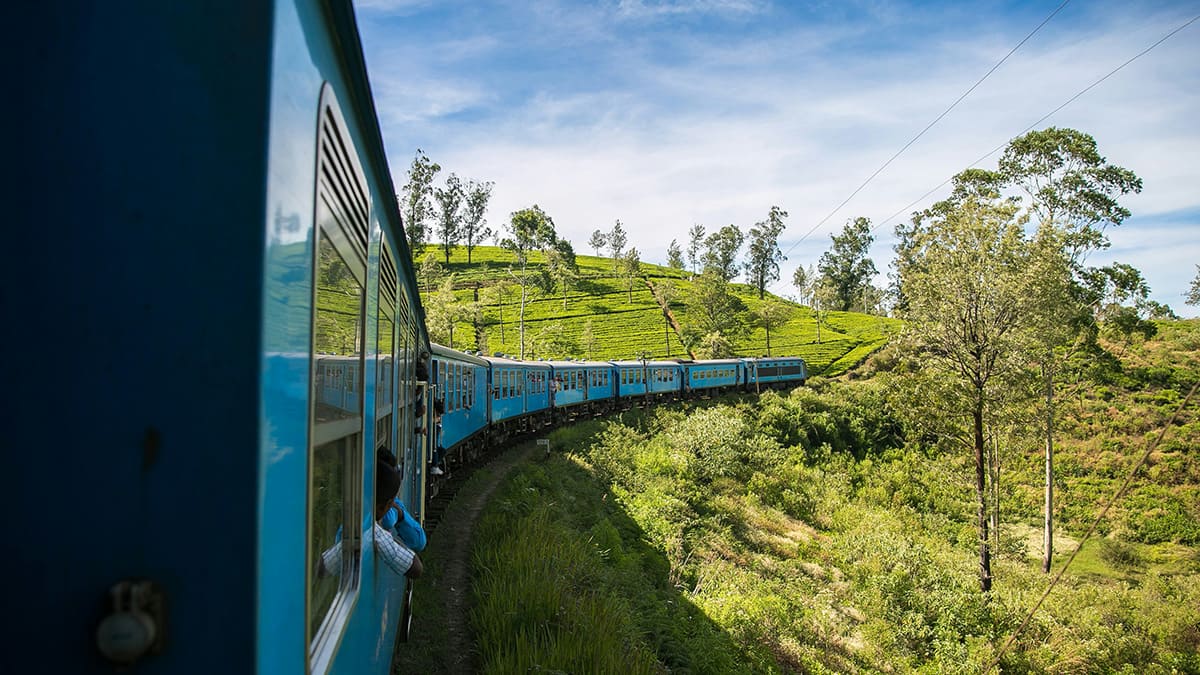
Sri Lanka looks compact until the route is measured in real transfer days. The Cultural Triangle, hill country, safari areas, south coast, east coast and north do not fit into one quick loop simply because they share an island.
The first planning decision is therefore not which attraction to add. It is how many regions your usable days can support. Entry rules, monsoon patterns, railway availability and the location of each beach or safari base then shape the route around that choice.
This article is the planning hub. It covers entry checks, trip length, seasons, costs, transport, safety, food, money and the decisions to make before paying. Use the separate 50 places guide when you want a destination list, and use an itinerary when you are ready to arrange those places into days.
Table of contentsJump to a section
Quick Answer: How To Plan a First Sri Lanka Trip
Sri Lanka works well for a first independent trip when the route stays selective. Seven days supports a focused route. Ten days gives more choice. Fourteen days makes the Cultural Triangle, hill country, one safari and one coast easier to combine without turning every morning into a checkout.
The normal planning shape is an arrival near Colombo or Negombo, one Cultural Triangle base, Kandy, Ella, one safari decision and one beach region. It is a framework, not a compulsory checklist. Remove a section when weather, flight timing, mobility or travel fatigue makes the route stronger without it.
10-14 days for a balanced route
Choose fewer regions rather than moving faster
Choose the south or east coast by season
Mix trains, buses, rides and drivers by segment
Price the whole route, not one daily number
Use the live government ETA and immigration pages
Who this route style suits
It suits first-time visitors who want culture, highland scenery, wildlife and a beach without changing hotels every night. Backpackers can use public transport for much of it, while families or small groups may choose a driver for selected rural transfers.
It also suits travelers who can leave something out. A safari, another ancient city or a second beach coast should replace time elsewhere rather than appearing as a free addition.
When to simplify the trip
Simplify when flights remove two usable days, when a long-haul arrival makes the first day a recovery day, or when rain affects a train, hike or coast. Staying longer in three good bases is often better value than paying for six rushed transfers.
Entry and ETA Planning
There is no safe universal visa sentence for every traveler. Requirements depend on nationality, passport type, trip purpose, length of stay and current government instructions.
As checked on August 7, 2026, the official ETA information center says foreign visitors, apart from listed exemptions and reciprocal arrangements, should obtain an ETA before arrival. It also states that nationals of 40 listed countries have been eligible for a free 30-day tourist ETA since May 25, 2026. Other nationalities can have different fees or processes.
Do not turn that summary into a rule for your passport. Open the live portal, read the current notice and follow the application path shown for your nationality and purpose.
Check the official ETA center
Confirm whether an ETA applies, whether a fee or waiver applies and which application route the government currently provides.
Use the exact passport and trip purpose
Tourism, business, transit, diplomatic travel and longer stays do not necessarily follow the same process.
Verify the website address
Commercial sites can resemble an official application page and add service charges. Start from the Department of Immigration or official ETA domain.
Check documents again
Recheck passport validity, onward-travel evidence, airline requirements and any approval document close to travel.

Choose a Realistic Route
For travel planning, Sri Lanka is easier to understand as several regions connected by slow or changeable transport. One accommodation base can serve several nearby places; every map label does not need its own hotel.
Negombo or Colombo
Negombo is often simpler after a late airport arrival. Colombo makes more sense when city time is a genuine priority. Most short routes do not need both.
One base, selective sightseeing
Sigiriya, Habarana or Dambulla can serve as the base. Choose historical sites and safari time according to energy rather than changing hotels around the same region.
Kandy, Nanu Oya and Ella need route logic
Nanu Oya is the railway gateway for Nuwara Eliya. Ella is a separate base for hikes and outings. Do not assume every train segment or stop fits automatically.
Choose one park and one coast
Udawalawe and Yala are alternatives for most short routes. Mirissa, Weligama, Unawatuna and Galle can be visited from one main south-coast base.
Sri Lanka’s highest point is Pidurutalagala, also called Mount Pedro, at approximately 2,524 metres. It is not Pidurangala, the viewpoint near Sigiriya. This distinction matters because older versions of this page confused the two names; the official Department of Census and Statistics geography table identifies Pidurutalagala.
How many days do you need?
7 days
Use one focused route. Cultural Triangle, Kandy, Ella and one coast already create a full week. A safari usually replaces beach or cultural time.
10 days
Add breathing room or one major decision such as a safari. Keep arrival and departure logistics realistic.
14 days
A balanced first route can combine culture, hill country, one safari and one coast without visiting every marked town.
3 weeks
Slow the classic route or add the north or east coast when the season and transport still make sense.
Use the 7-day itinerary, 10-day itinerary, 14-day itinerary or three-week backpacking route once the trip length is fixed.
Weather and Seasonal Coast Choices
Sri Lanka does not have one nationwide dry season. The southwest, northeast and central highlands can experience different conditions at the same time, and broad monsoon patterns do not guarantee a dry beach or a clear viewpoint on a particular day.
Often favored from late in the year into early spring
The southwest coast is commonly chosen during the northern-hemisphere winter. Check current rain, wind, waves and swimming conditions for the exact beach.
Often stronger during parts of the middle of the year
Trincomalee, Pasikudah or Arugam Bay can replace the south-coast ending when seasonal conditions favor the east. This is a replacement, not a second beach loop.
Prepare for cool, wet or misty conditions
Kandy, Nuwara Eliya and Ella can receive rain at any time. Carry a light waterproof layer and leave flexibility around hikes and railway plans.
Before reserving a beach, hike, safari or boat trip, check the official forecast and any hazard warnings. Ask the accommodation about current sea or trail conditions. Wildlife and whale sightings remain possibilities, never guarantees.
Build a Realistic Budget
A fixed daily figure becomes stale quickly. It also hides the expensive days. A quiet guesthouse day and a private transfer plus safari do not belong in the same simple average.
Build the estimate from the actual route:
Price exact dates and bases
Check taxes, breakfast, cancellation, air conditioning, final-road access and the cost of reaching a remote property.
Count door-to-door transport
Include station or bus access, luggage, waiting, local rides and a backup when a connection matters.
Check the complete activity price
For safaris and tours, compare admission, taxes, vehicle sharing, pickup, guide, inclusions and cancellation terms.
Match the estimate to your habits
Local meals can be economical. Beach restaurants, hotels, alcohol and imported food change the total.
Add insurance and contingency
Allow for weather changes, replacement transport, medical needs and a route that no longer works as booked.
Use more than one method
Carry some cash, a backup card and a plan for provider, ATM and bank fees. Do not keep the whole trip budget together.
The cheapest room can cost more if it creates repeated tuk-tuk rides. A low safari quote may exclude park charges. A cheap flight can lose its advantage after baggage, overnight accommodation or a poor connection. Compare complete bookings rather than headline prices.
How To Travel Around Sri Lanka
Choose transport one segment at a time. Trains work on selected corridors. Buses reach many towns. Tuk-tuks and app rides solve shorter movements in some areas. A private driver can simplify scattered rural stops or luggage-heavy family travel.
Trains and reservations
The hill-country railway is scenic public transport, not a guaranteed attraction. A reserved seat, a specific carriage, an unobstructed view and an on-time arrival are never automatic.
As checked on August 7, 2026, the Sri Lanka Railways reservation FAQ says online advance reservations can open 30 days before travel and remain possible until two hours before departure, subject to train availability and system rules. Popular seats can disappear much earlier. Recheck the FAQ and timetable for the exact stations and date.
Buses, tuk-tuks, app rides and drivers
Useful when the route is simple
Expect basic boarding information, limited luggage space and variable comfort. Avoid placing an unfamiliar bus transfer directly before a flight.
Best for shorter local movements
Agree on the full fare or meter expectation before a street ride. PickMe and Uber availability should not be assumed in every rural area.
Useful for selected complex days
Confirm the route, vehicle, luggage, waiting, driver accommodation, daily limits, pickup and cancellation before agreeing on a price.
Verify the legal and insurance details
Licensing, rental conditions, traffic, parking and insurance need current confirmation. It is not necessary for a good first trip.
The dedicated Sri Lanka transport guide compares each mode and explains why map time and full door-to-door time are not the same.
Safety, Health and Emergency Planning
Sri Lanka should not be described as completely safe or broadly dangerous. Conditions vary by place, transport, weather, health and personal circumstances. Review your government’s current travel advice and adjust the route to your own risk tolerance.
Practical precautions matter more than a reassuring slogan:
- Roads: use seat belts and suitable helmets where available; avoid treating an overnight or winding transfer as proper rest.
- Railways: use formal crossings and verified public paths; never treat active tracks or tunnels as a walking route.
- Water: check currents, waves, river levels, waterfall access and local warnings before swimming or climbing.
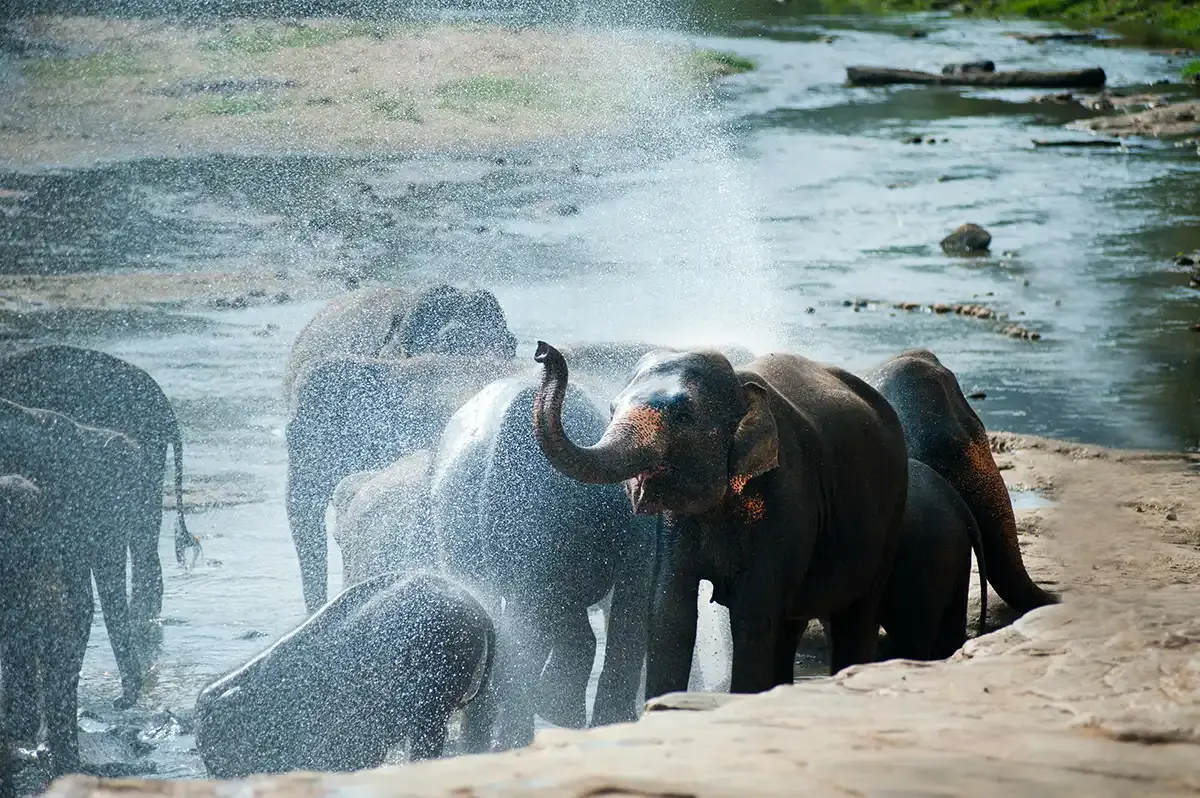
- Wildlife: keep distance, follow park instructions and avoid operators that encourage touching, feeding or crowding animals.
- Documents: keep secure copies separate from originals and understand the exclusions and assistance process in any travel insurance.
Emergency contacts
Sri Lanka Police lists 119 for police emergencies and 118 for emergency information. Sri Lanka Tourism operates 1912 for tourism information and assistance, while 1990 Suwa Seriya provides pre-hospital ambulance service.
Save the numbers, but also ask the accommodation or operator for the nearest suitable medical facility before a remote hike, safari or beach stay. Service conditions and response time vary by location.
Health and vaccination checks
Health advice depends on medical history, recent travel, transit route and planned activities. Sri Lanka’s Quarantine Unit states that a Yellow Fever certificate can be required for travelers arriving after certain visits or transits through listed risk areas. Check the current official list and timing rules for your itinerary instead of copying an old country list.
For vaccinations, medication, pregnancy, accessibility or an existing condition, use a qualified travel-health clinician. A general destination article cannot assess an individual medical situation.
Culture, Food and Everyday Etiquette
Sri Lanka is culturally and religiously diverse. Site rules and local expectations can vary, but a few habits reduce avoidable friction.
Dress for the site
Cover shoulders and knees when required, remove shoes and hats where instructed and follow the signs or staff at the entrance.
Ask before taking the image
Do not turn a sacred image, ceremony, worshipper, worker, military site or controlled area into a casual photo prop.
Listen before generalizing
One guide, driver or hotel conversation does not represent every community, religion, political view or region.
Respect working and protected places
Tea estates are often private workplaces. National parks and religious sites have rules that take priority over an old travel post.
Rice and curry is a family of meals rather than one recipe. Hoppers, string hoppers, kottu, dhal, sambols, seafood, short eats, tea and regional preparations give plenty of choice, but ingredients and spice levels vary.
If you have an allergy or strict dietary requirement, carry a written translation and ask about the ingredients relevant to you. Coconut milk, dried fish, nuts, egg, dairy, wheat, shared oil and cross-contact can matter even when a dish sounds suitable.
Money, Mobile Data and Practical Basics
The Sri Lankan rupee is the local currency. Cash remains useful for small meals, local transport and businesses that do not accept cards. Carry a backup card separately and use licensed banks or authorized money changers for foreign currency rather than accepting an informal offer.
A local SIM or travel eSIM can both work. Compare device support, registration, network, validity, hotspot rules and the places on your route. Coverage can weaken in highland, park and remote coastal areas, so download booking details and offline maps before a long transfer.
Keep a small practical kit rather than packing for every imagined problem: light rain protection, sun protection, insect repellent, temple-appropriate clothing, footwear with grip, essential medication and a dry layer for hill-country evenings. Leave room for water and snacks on uncertain transfer days.
What To Skip on a First Trip
Leaving something out is part of building a usable route.
Skip both beach coasts on a short route
Choose the south or east according to season and direction. Crossing the island for a second beach often adds more transport than value.
Skip changing hotels around one region
Sigiriya, Habarana and Dambulla form one accommodation cluster. Mirissa, Weligama, Unawatuna and Galle can also work from one main base.
Skip adding two safaris automatically
Choose Udawalawe or Yala according to the wider route and current conditions. Wildlife remains uncertain in either park.
Skip a critical same-day connection after a train
Rail operations can change. Protect an international flight or expensive booking with a sensible buffer and a road alternative.
Skip unsafe railway and waterfall shortcuts
An old route online does not make active tracks, tunnels, wet rocks or estate paths safe or publicly accessible.
Skip unverified visa and booking sites
Begin with official sources, then compare commercial products only after understanding the actual requirement and full price.
Official Sources and Planning Checklist
Use this order before committing to the complete trip.
1. Count usable days
Remove flight days, recovery time and long transfers from the headline trip length.
2. Check entry
Use your exact passport, purpose and dates on the official ETA and immigration pages.
3. Choose regions
Start with the Cultural Triangle, hill country, safari and coast as choices, not compulsory blocks.
4. Choose one coast
Match the beach ending to the month, current forecast, sea conditions and route direction.
5. Plan long transport
Check the exact train, bus, flight or driver segment and leave backup time.
6. Build the full budget
Add accommodation, transport, activities, food, insurance, fees and contingency.
7. Book difficult pieces
Secure critical first and last nights, popular rail seats and route-defining activities with suitable cancellation terms.
8. Recheck close to travel
Review weather, warnings, transport, park access and attraction operations shortly before departure.
Useful official links
Booking Tools for Sri Lanka
Use these tools only after the route makes sense. Compare final prices, baggage, pickup location, entrance-fee exclusions, cancellation terms and recent reviews before paying.
Affiliate booking tools: The tools below contain affiliate links. If you make an eligible booking through them, WeltFox earns a commission at no additional cost to you. Read our full affiliate disclosure.
Related Sri Lanka Guides
Use these guides to turn the planning framework into a route without duplicating every destination here.
FAQ
Sri Lanka Travel Planning FAQs
Short answers for deciding trip length, entry checks, transport, seasons, costs and route priorities.
Is Sri Lanka suitable for a first independent trip?
Yes, when the route stays selective. Tourist accommodation and several transport options make independent travel possible, but slow roads, rail availability, weather and rural logistics still need planning.
How many days do you need in Sri Lanka?
Seven days supports a focused route. Ten days gives more choice, while fourteen days is a better balance for the Cultural Triangle, hill country, one safari and one coast. Three weeks allows slower travel or another region.
Does every traveler need a Sri Lanka ETA?
Requirements depend on nationality, passport, purpose and current exemptions. The official ETA portal currently provides the applicable process and lists selected free-ETA arrangements. Check it for your passport before booking.
How much does a Sri Lanka trip cost?
There is no durable daily figure for every route. Price exact accommodation dates, long transfers, rail class, entrance fees, safari inclusions, meals, insurance and contingency to build a useful whole-trip estimate.
What is the best time to visit Sri Lanka?
It depends on the regions. South and west, east and north, and the central highlands follow different patterns. Use seasonal guidance to choose a route, then check current forecasts, sea conditions and warnings.
Should I visit the south coast or east coast?
Choose one according to the month, current conditions and route direction. The east often replaces the south for parts of the middle of the year. Combining both usually adds too much transport to a short trip.
Is transport easy in Sri Lanka?
It is manageable when each segment is planned separately. Trains, buses, tuk-tuks, app rides and drivers suit different journeys. Allow for slower roads, limited reserved seats, rural coverage gaps and luggage.
Is Sri Lanka safe for solo travelers?
Many travelers visit independently, but safety depends on route, transport, accommodation, health, weather and personal circumstances. Review current official advice, share important plans and use precautions appropriate to each activity.
Do I need cash in Sri Lanka?
Cash remains useful for small businesses and local transport. Carry a backup card separately, use reputable ATMs and authorized exchange services, and check your bank and provider fees.
What places should I prioritize on a first trip?
Start with one Cultural Triangle base, Kandy or another hill-country stop, Ella, one safari decision and one coast only if the trip length supports them. Use the separate 50-places guide to compare destinations before choosing.
Final Thoughts: Build the Route Around Time and Season
Sri Lanka rewards a route with breathing room. Choose the coast that fits the season, treat trains as transport rather than promises, use one base for nearby places and let a safari or long excursion replace something else.
Then verify the fragile parts: entry, weather, rail, park access and any booking that would disrupt the whole trip if it changed. A useful first route is not the one with the most pins. It is the one that still works after a wet day, a slow transfer or a decision to rest.


Reader Notes
Share your thoughts
Have a question, update, or practical tip about Sri Lanka Travel Planning Guide: Entry, Costs, Transport and Safety? Share it with other readers. Every comment and reply is reviewed before publication.
✓Moderated conversation
Rate this guide
Ratings appear here when available.
Conversation
Reader comments
Replies appear below the original comment after review.
Reader comments will appear here after review.
Add a note
Join the conversation
Share a useful update, a focused question, or a correction. Do not post personal information.