

Tbilisi is the most practical starting point for a first trip to Georgia. The historic centre gives you sulfur baths, old balconies, hilltop views, churches, markets, Georgian food and wine without requiring a car or a complicated first day.
For most visitors, three days is the right amount of time. Use one day for Old Town and Abanotubani, one for Rustaveli, markets and neighbourhoods, and one for a slower city day or Mtskheta. Kazbegi, Kakheti and the Black Sea coast are separate route decisions rather than additions to every short city break.
For the wider route, use the Kazbegi guide, Ananuri Fortress guide, Georgia transport guide and Batumi guide.
Table of contentsJump to a section
Quick Answer: Is Tbilisi Worth Visiting?
Quick answer
Yes, Tbilisi is worth visiting when you want an easy introduction to Georgia’s food, history and city life.
Two days cover the historic core and main viewpoints. Three days is the better first-time plan because it leaves room for museums, neighbourhoods, a bathhouse and slower meals without turning the visit into a checklist.
- Best default: three days in Tbilisi.
- Best first base: Sololaki or Old Town.
- Best first day: Old Town, Abanotubani, Metekhi and Narikala.
- Main tradeoffs: hills, cobbles, traffic, summer heat and changing attraction operations.
Tbilisi Travel Guide Summary

Where Is Tbilisi?
Tbilisi is Georgia’s capital and main transport hub, set along the Mtkvari River in the east of the country. It is the natural starting point for Mtskheta, Kakheti, Kazbegi and Ananuri, and it connects onward to Kutaisi and Batumi.
That does not make every destination a sensible day trip. Mtskheta is close enough for an easy cultural outing. Kakheti normally needs most of a day, while Kazbegi is long enough that an overnight often produces a better trip.
How Many Days Do You Need in Tbilisi?
1 day
Keep the route to Old Town, Abanotubani, Metekhi, Rike Park and one viewpoint. Do not add a major day trip.
2 days
Add Sameba, Rustaveli Avenue, the museum district, Dry Bridge Market and one slower food or wine evening.
3 days
The best first-time default. You can include Sololaki, Fabrika or Mtatsminda without rushing the historic centre.
4 days or more
Add Mtskheta, Kakheti or a deliberately slow city day. Give Kazbegi an overnight when mountain time matters.
Best Things to Do in Tbilisi
Start with the historic centre, then choose the extra neighbourhoods and viewpoints that suit your time. Cable-car, funicular, museum and bathhouse operations can change, so confirm a visit before building the day around it.
First-visit priorities
Build the trip around five decisions.
- Walk Old Town and Abanotubani.
- Choose a sulfur bath that matches your privacy and budget preferences.
- Use Narikala or Mtatsminda for the main viewpoint.
- Give Georgian food and wine enough time to be part of the itinerary.
- Choose one extra: museums, creative neighbourhoods or a day trip.
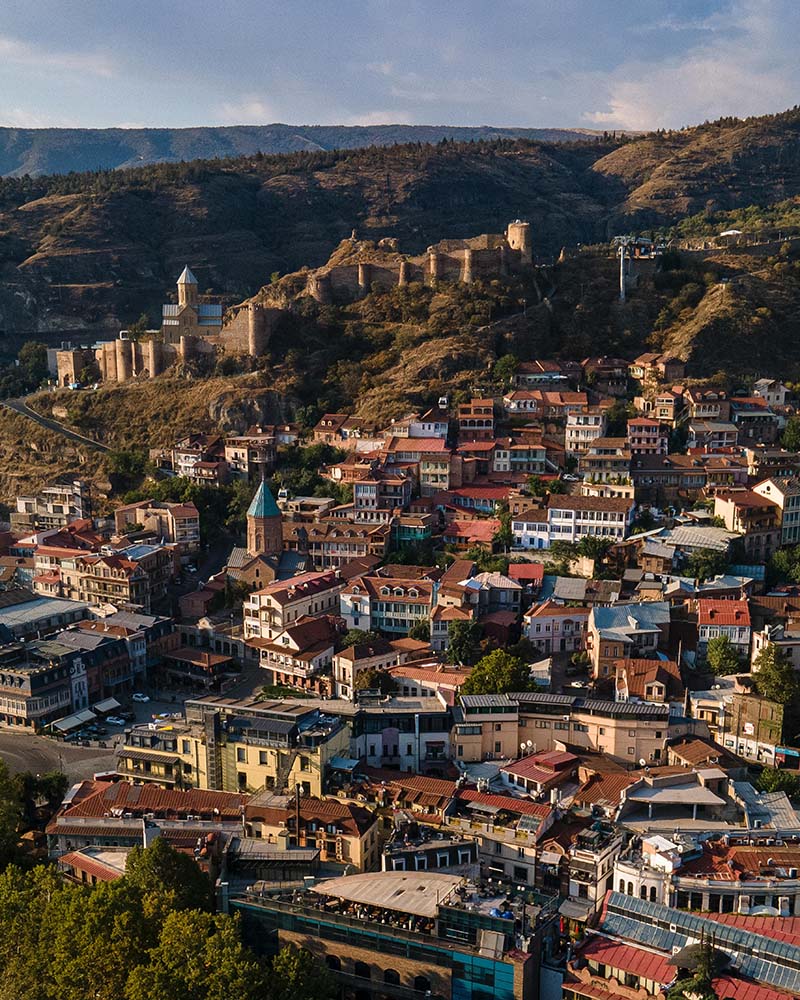
Old Town and Abanotubani
Start with the lanes, balconies, churches, courtyards and bathhouse district. They form one compact historic cluster, although slopes, stairs and uneven surfaces make the walk less simple than it looks on a map.
Planning role: essential first-day orientation.
View on Google Maps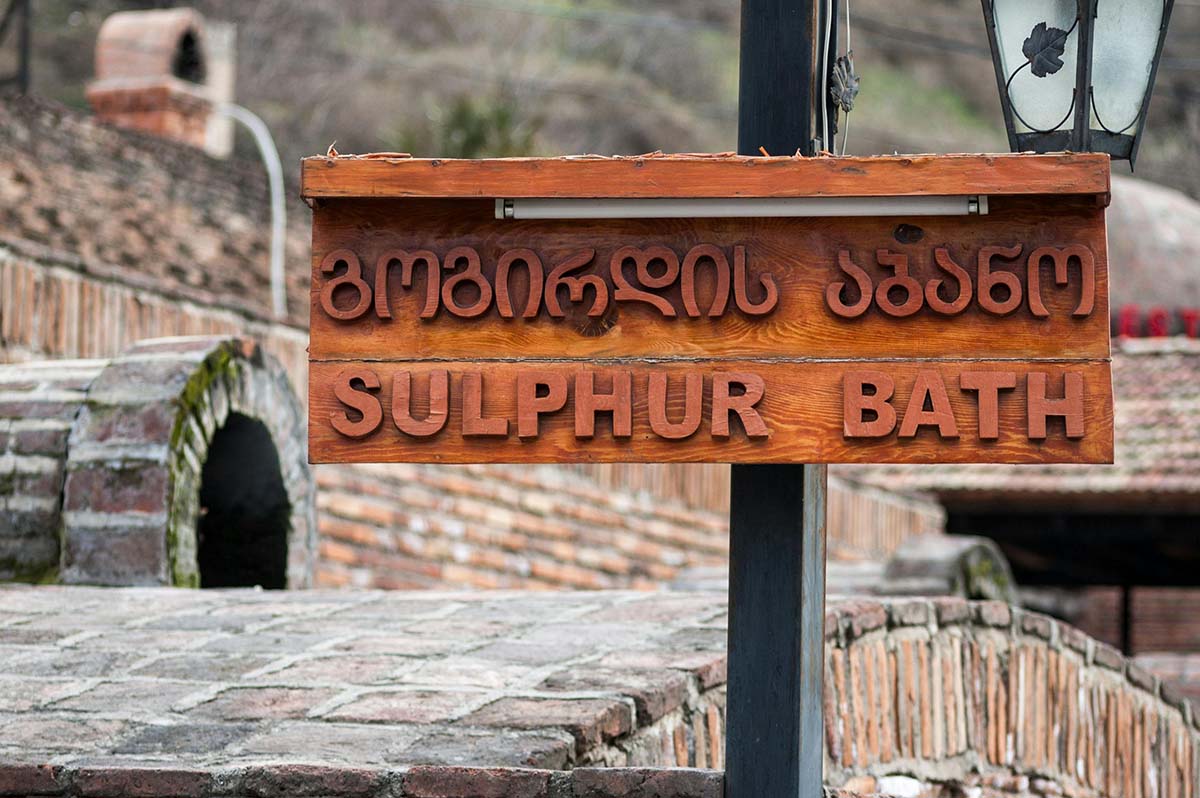
Sulfur baths
Public and private rooms differ in facilities, privacy, bathing rules and price. Compare recent information and reserve only after checking what the room includes.
Planning role: a separate appointment inside the Old Town day.
View on Google Maps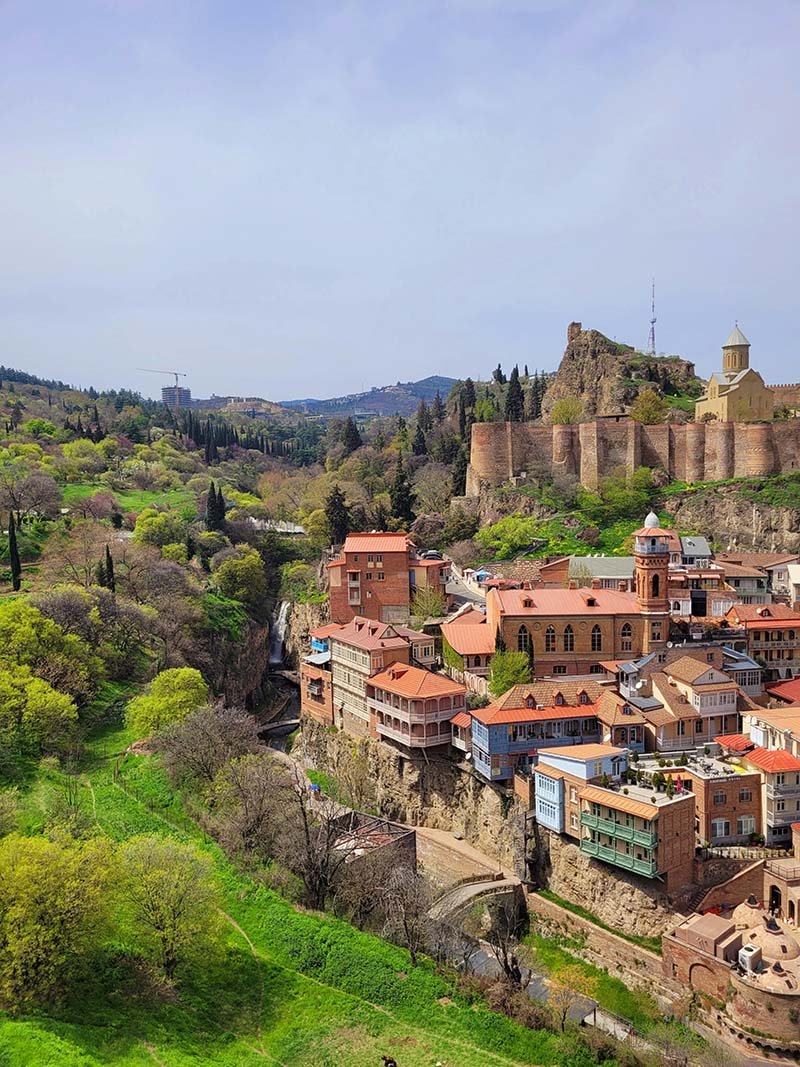
Narikala viewpoint and cable car
The ridge gives the clearest overview of Old Town and the river. Walk up or use the cable car when it is operating, then follow formal paths and current access signs around the fortress area.
Planning role: the main Old Town viewpoint.
View on Google Maps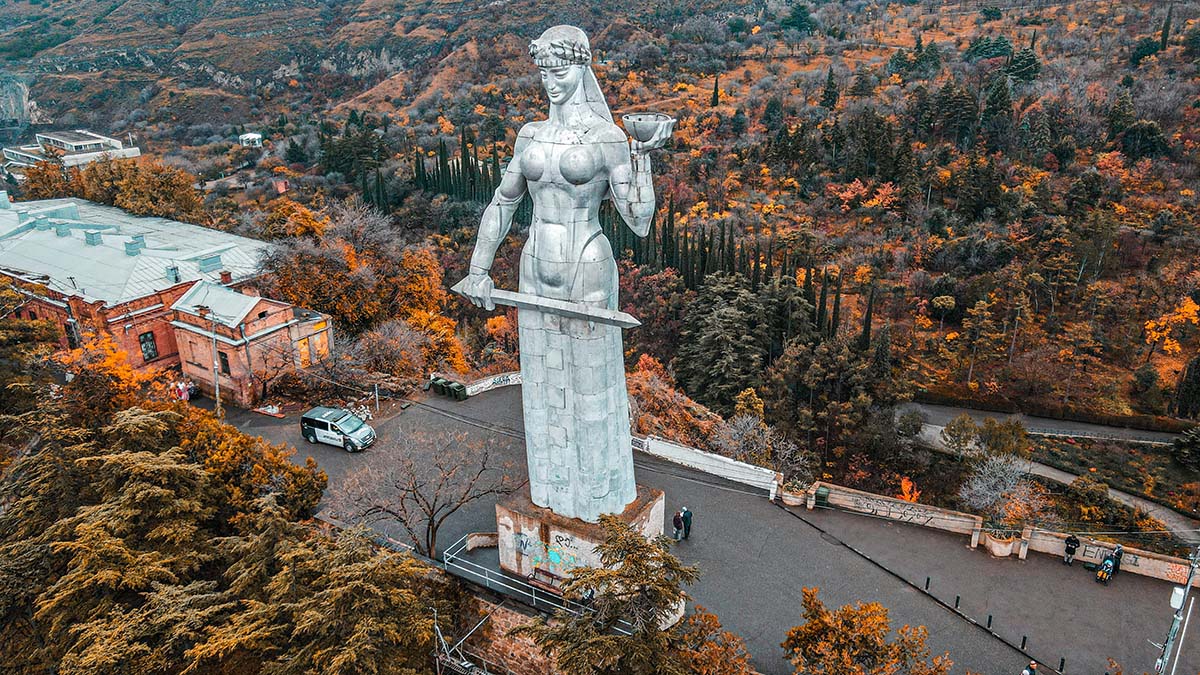
Mother of Georgia / Kartlis Deda
This monumental figure stands along the ridge near Narikala. Treat it as a short extension of the viewpoint route rather than another journey across the city.
Planning role: an optional ridge stop beside Narikala.
View on Google Maps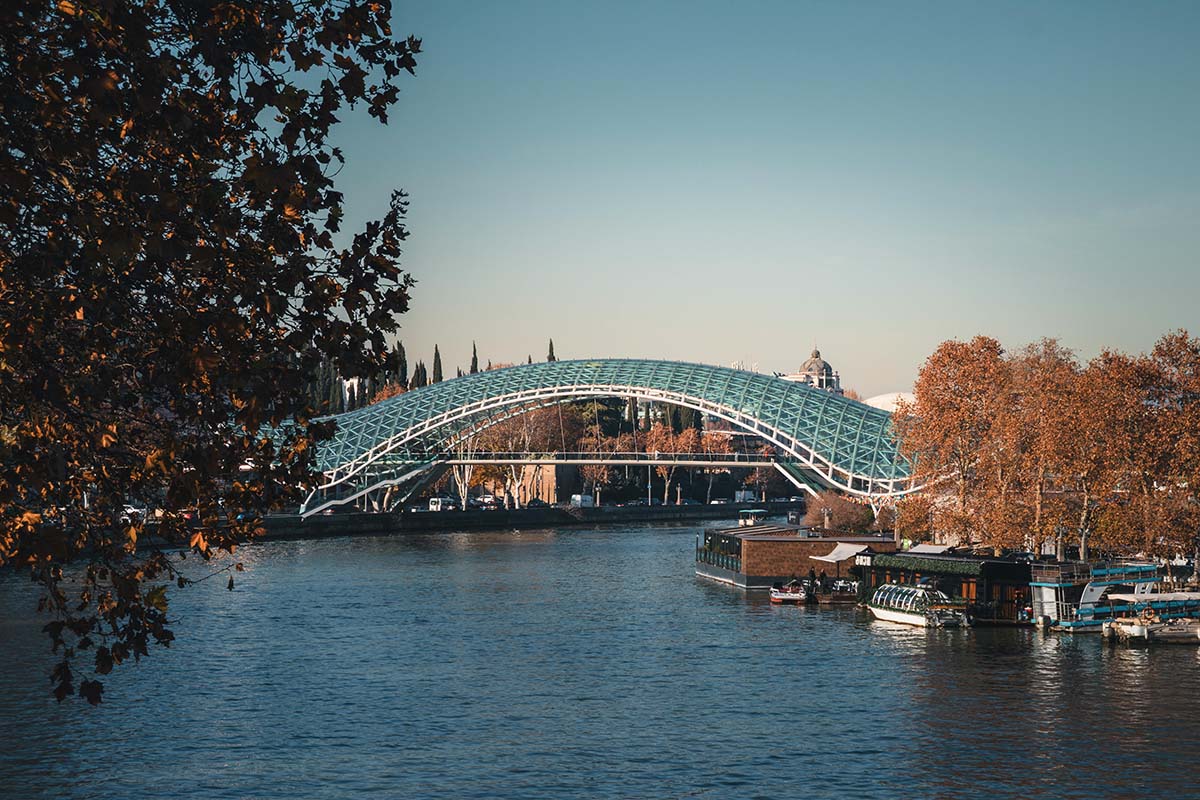
Rike Park and the Bridge of Peace
This riverfront section links Metekhi, Old Town and the cable-car station. It works best as part of the same walking route rather than a separate sightseeing day.
Planning role: a transition between historic-centre stops.
View on Google Maps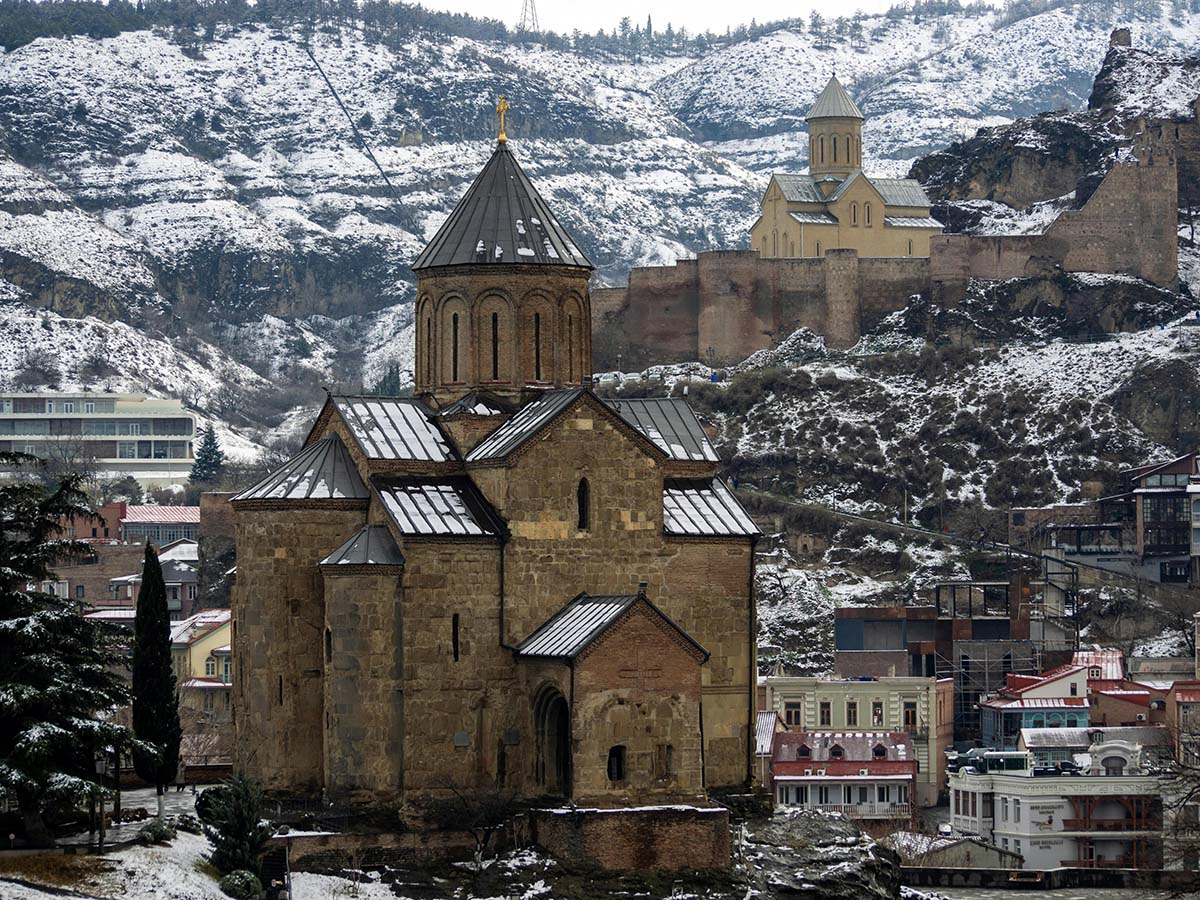
Metekhi Church and viewpoint
The church terrace on the east bank helps explain how the historic city rises around the Mtkvari. It remains an active religious site, so follow signs and dress respectfully.
Planning role: a short viewpoint stop between Avlabari and Old Town.
View on Google Maps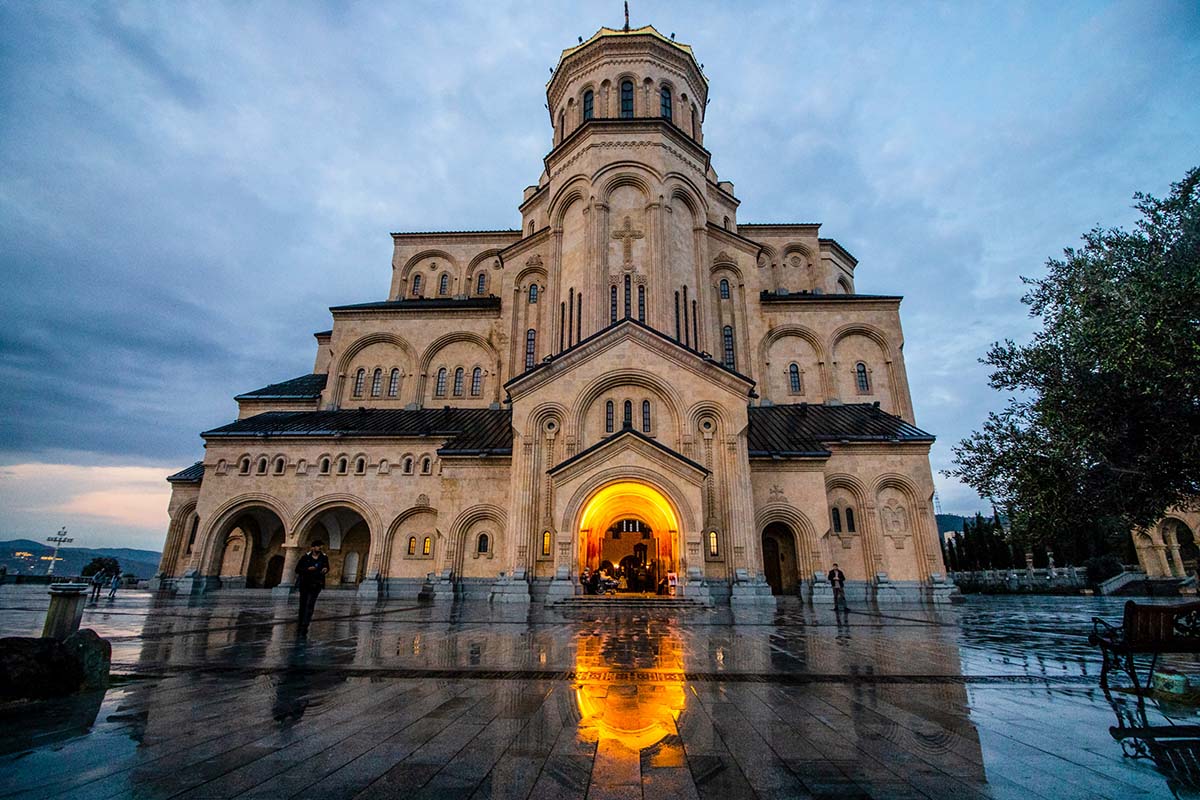
Sameba Cathedral
Visit for the scale, architecture and city views, while remembering that it is an active Orthodox site. Dress conservatively and follow current instructions.
Planning role: a separate stop from the Old Town ridge.
View on Google Maps
Liberty Square and Rustaveli Avenue
This central corridor is useful for museums, theatres, shops and a different view of the city from the Old Town lanes. Check current museum opening information before making one exhibition the fixed centre of your day.
Planning role: the main museum-and-city orientation walk.
View on Google Maps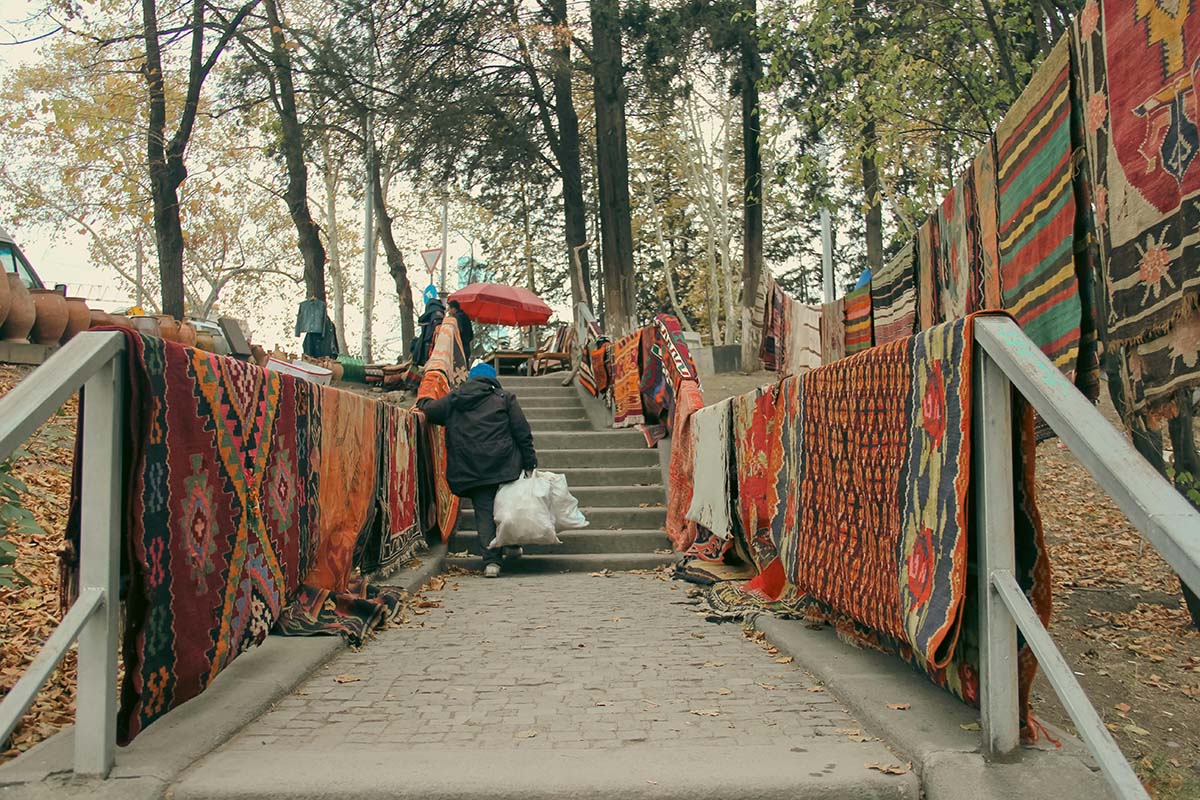
Dry Bridge Market
Browse art, books, antiques and Soviet-era objects when the stalls and weather suit. Market activity varies, so regard it as a flexible addition rather than the only reason for crossing central Tbilisi.
Planning role: a market stop that fits the Rustaveli or Chugureti day.
View on Google Maps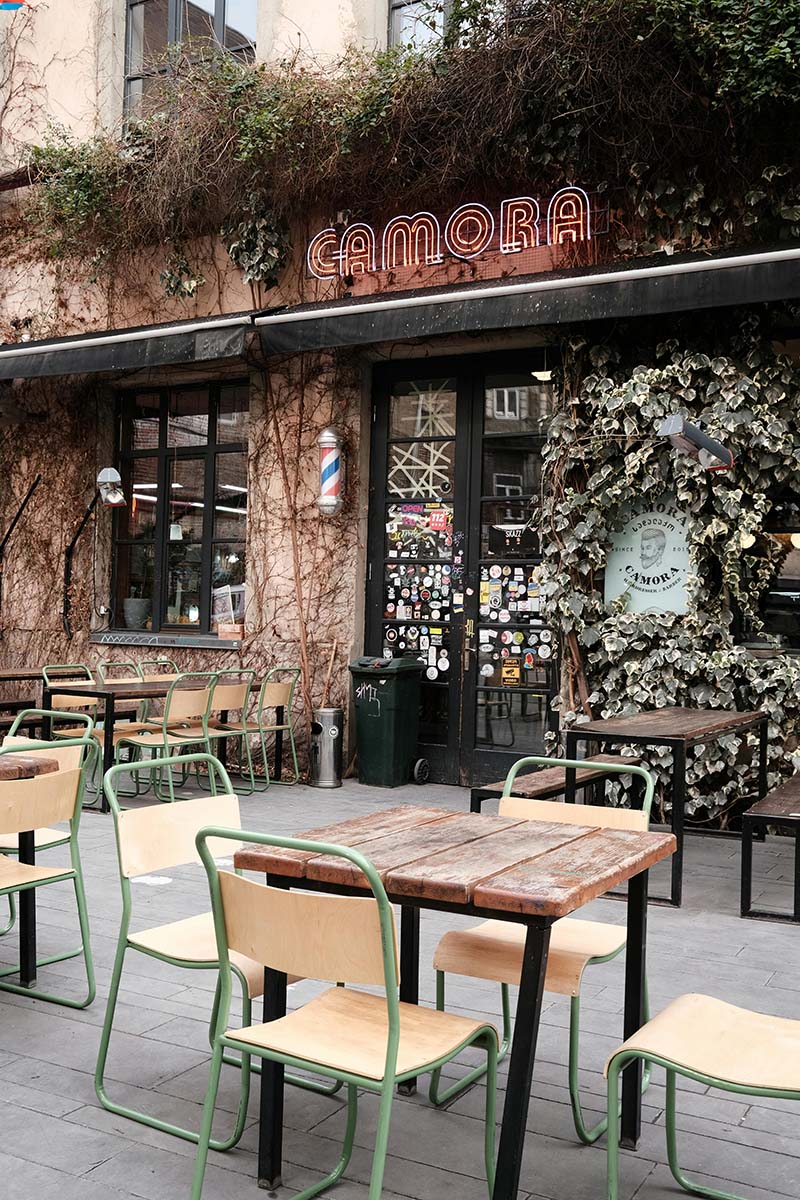
Fabrika and Chugureti
Fabrika anchors a creative district of cafes, bars, shops and street art. Visit for a social afternoon or evening, but do not confuse it with the historic atmosphere of Sololaki or Abanotubani.
Planning role: an optional creative-neighbourhood stop.
View on Google Maps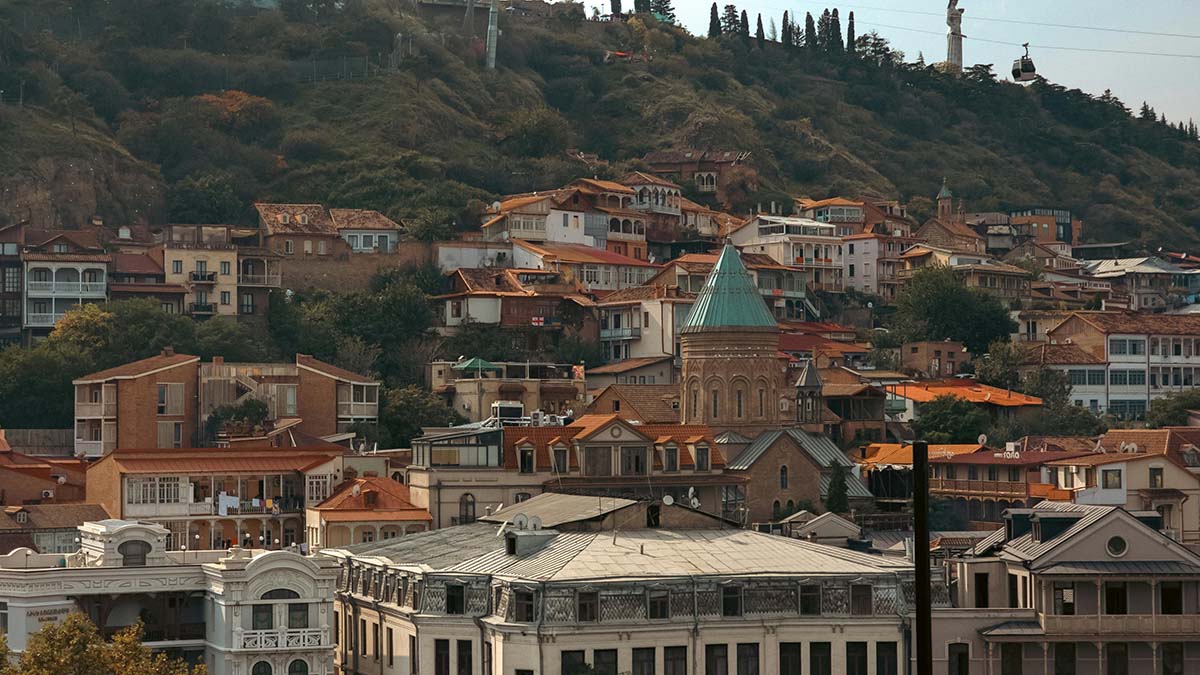
Sololaki architecture walk
Slow down for balconies, old apartment entrances, courtyards, restaurants and wine bars. Many buildings remain private homes, so admire them from public spaces unless access is clearly permitted.
Planning role: a slower central walk beside Old Town.
View on Google Maps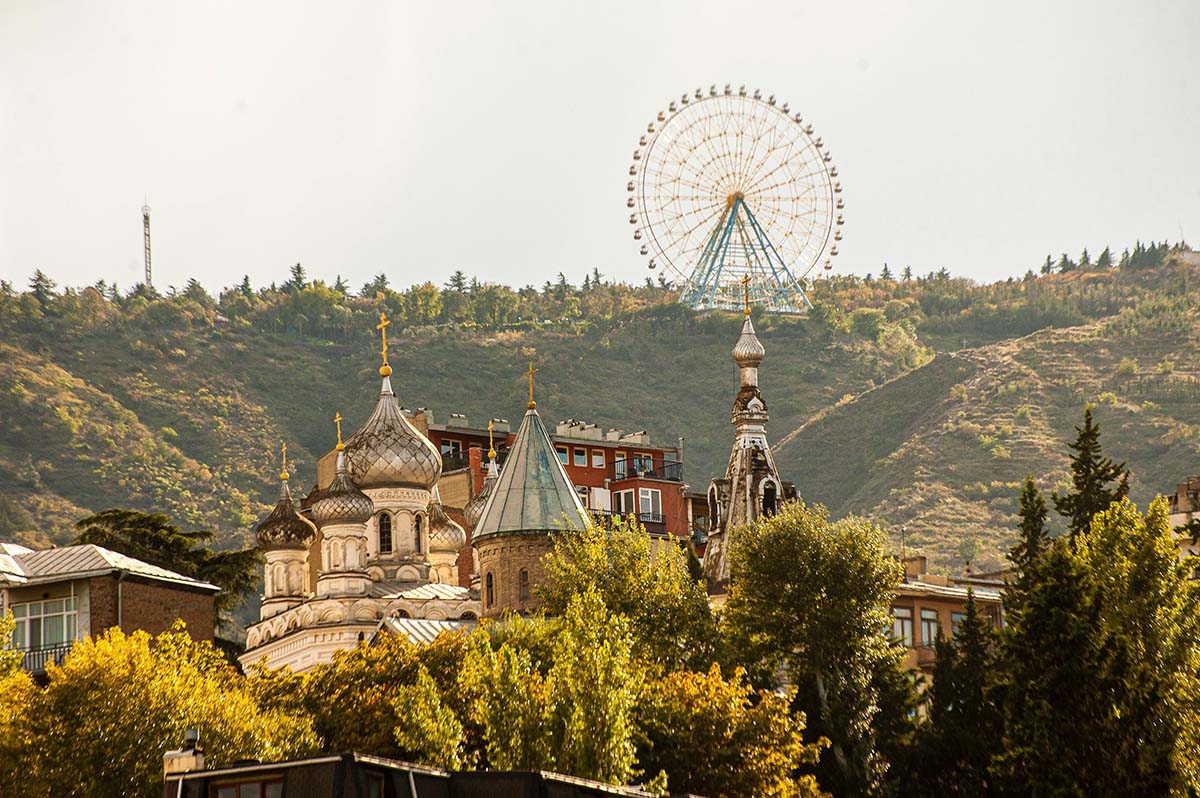
Mtatsminda Park and funicular
This is the more useful outer-city viewpoint for most first visits. It also adds a park and funicular ride, but operating details and visibility can change.
Planning role: a skyline outing for a clear afternoon or evening.
View on Google Maps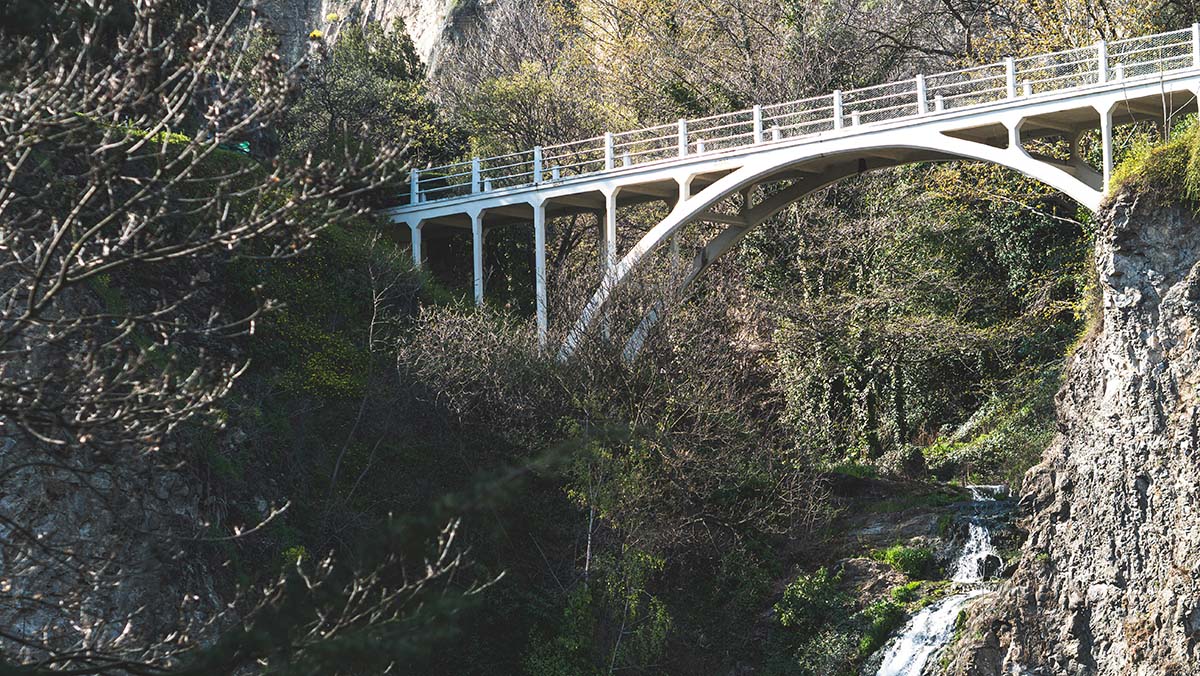
Leghvtakhevi Waterfall
The gorge behind the bath district offers a short change of scenery while you are already in Abanotubani. Water flow, walkway conditions and access can vary.
Planning role: a brief extension of the Old Town walk.
View on Google Maps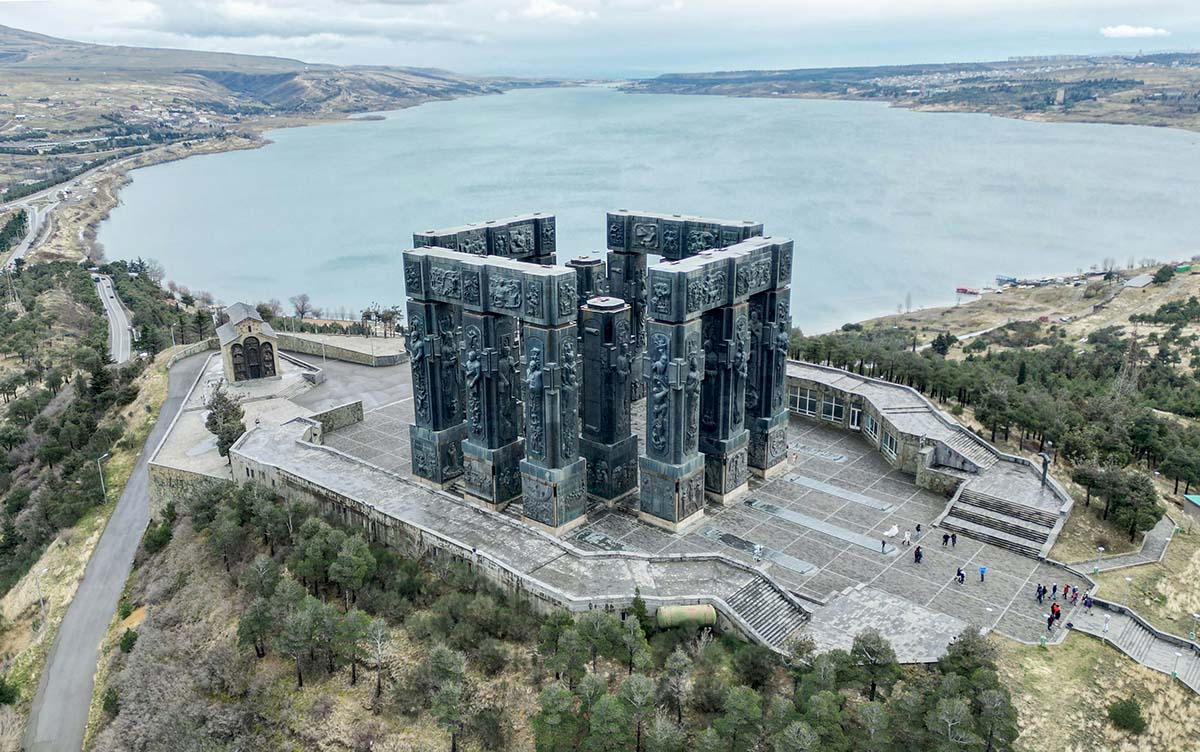
Chronicle of Georgia
This monumental complex lies outside the central sightseeing clusters. It can reward travellers interested in the monument itself, but the extra transfer makes it easy to skip on a short first visit.
Planning role: a deliberate outer-city detour, not an essential stop.
View on Google MapsWhere to Stay in Tbilisi
Sololaki is the strongest all-round base for many first-time visitors. Old Town puts the historic centre closest, while Liberty Square and Rustaveli provide easier metro and museum access. Check the exact street, hill and recent accommodation reviews rather than choosing only by neighbourhood name.
Sololaki
Best for: restaurants, wine bars, architecture and a central first visit.
Check: stairs, building condition and uphill access.
Old Town / Abanotubani
Best for: a short atmospheric stay near the main historic sights.
Check: noise, cobbles, slopes and tourist traffic.
Liberty Square / Rustaveli
Best for: transport, museums and a straightforward central base.
Check: road noise and the walking distance to Old Town.
Avlabari
Best for: Sameba access and potentially better-value central stays.
Check: the exact street and the route back after dark.
Vera / Marjanishvili
Best for: cafes, nightlife and a more residential city stay.
Check: whether you mind using metro or taxis for some Old Town visits.
Vake / Saburtalo
Best for: longer stays, families or a specific local address.
Check: the extra travel time on a short first visit.
What to Eat and Drink in Tbilisi
Georgian meals are often built for sharing. Order a few dishes, ask about portion size and leave room for bread, vegetables and wine rather than treating every famous dish as a separate meal.
Seven Georgian foods to recognise
Also look for lobiani and fresh tone bread. Vegetarian dishes are common, but ask about meat stock, cheese, eggs and walnut sauces when dietary restrictions matter.
Georgian wine without overplanning it
Tbilisi is a good place to try Saperavi, Rkatsiteli and amber qvevri wines before deciding whether Kakheti deserves a full day. A guided tasting can add context, but check inclusions and transport rather than assuming every wine bar or tour offers the same experience.
Tbilisi Itinerary Ideas
1 day: historic core
Morning: Old Town, Abanotubani and Metekhi.
Afternoon: Rike Park, Narikala and Kartlis Deda.
Evening: one unhurried Georgian dinner.
2 days: classic first visit
Day 1: follow the historic-core route.
Day 2: Sameba, Rustaveli, one museum, Dry Bridge and Sololaki or Fabrika.
3 days: recommended plan
Days 1-2: use the two-day route.
Day 3: choose Mtatsminda, a slower bathhouse session, overlooked neighbourhoods or Mtskheta.
4 days: add one substantial outing
Use the extra day for Mtskheta, Kakheti or Gori and Uplistsikhe. Treat Kazbegi as an overnight when the mountains are a priority.
Best Day Trips from Tbilisi
Mtskheta and Jvari are the easiest cultural combination. Kakheti needs a fuller day, while Kazbegi is the most demanding common day trip and often works better with one night away.
Mtskheta and Jvari
Best for: an easy cultural outing.
Combine the historic town and monastery without giving up an entire dawn-to-night travel day.
View on Google MapsKakheti and Sighnaghi
Best for: wine and a different eastern-Georgia landscape.
Use a driver or tour when tastings are central, and confirm winery access and inclusions before booking.
View on Google MapsKazbegi via Ananuri and Gudauri
Best for: Caucasus scenery when time is limited.
It is a long road day. An overnight in Stepantsminda is the better default when mountain time and weather flexibility matter.
Use the Kazbegi guide and Ananuri guide before deciding.
Gori and Uplistsikhe
Best for: modern history and a rock-cut settlement.
Decide whether the Stalin Museum fits your interests, and check current visitor information for both stops.
View on Google MapsDavid Gareja
Best for: remote monastery landscapes.
Road quality, heat, access and border-area sensitivity can affect the visit. Use a current local source or responsible operator before going.
View on Google MapsVideo preview
A short look at David Gareja
Use this preview for visual context, then verify current road, access and border-area conditions before planning the outing.
For a fuller comparison, use the day trips from Tbilisi guide.
How to Get Around Tbilisi
Walking
Old Town, Sololaki and central riverfront sights work well on foot, but short map distances can include hills, stairs, cobbles and uneven pavement. Break the city into clusters and use transport between them when that protects the rest of the day.
Metro and buses
The metro and municipal buses help with Rustaveli, Station Square, Avlabari and outer districts. Payment rules, routes and fares can change, so use the Tbilisi Transport Company journey tools for the current trip.
Taxis, cable car and funicular
App-based taxis usually provide clearer routing and pricing than negotiating with a street taxi. The Narikala cable car and Mtatsminda funicular are useful attractions as well as transport, but confirm current operation before relying on either.
Airport to the city
The main choices are the municipal bus, an app-based taxi or a pre-arranged transfer. Check the official Tbilisi Airport transport page for the current bus route, operating window and payment details.
How to Get to Tbilisi
Tbilisi International Airport is the most direct gateway to the capital. Kutaisi Airport can suit some low-cost routes, but it adds an intercity transfer and is not simply another Tbilisi airport.
Trains, intercity buses, marshrutkas and private drivers connect Tbilisi with other parts of Georgia. Compare the route rather than choosing by price alone; mountain roads, luggage, departure points and seasonal demand can change which option is practical. The Georgia transport guide covers those choices in detail.
International overland routes depend on current border rules and regional conditions. Verify them through official sources rather than building an itinerary around an older blog timetable.
Best Time to Visit Tbilisi
Spring
Usually comfortable for city walks, with rain still possible. Keep one indoor alternative for unsettled days.
Summer
Can be hot. Start walking early, use shade and indoor breaks, and avoid packing the afternoon with steep climbs.
Autumn
Often a strong mix of milder weather, food and wine travel. Confirm festival dates rather than assuming they match your visit.
Winter
Quieter and colder, but well suited to baths, museums, cafes and food. Mountain extensions need separate road and weather checks.
Tbilisi Travel Costs and Budget
Fixed daily budgets age quickly because accommodation, exchange rates, tours and seasonal demand move independently. Build the budget from the choices below, then compare live prices for your dates.
Budget-focused trip
Prioritize hostels or guesthouses, bakeries, public transport and free city walks.
Keep one paid experience, such as a bathhouse or museum, rather than booking several guided activities.
Mid-range trip
Combine a central hotel, restaurants, occasional app taxis and one guided experience.
Accommodation and day trips normally create the biggest price differences.
Comfort-focused trip
Use boutique accommodation, private transfers and guided day trips selectively.
Compare cancellation, pickup and private-versus-shared terms before paying more.
Costs to recheck
Bathhouse rooms, museum admission, cable-car or funicular fares, airport transport, hotels, wine tours and insurance requirements can all change.
Safety, Entry and Practical Tips
Tbilisi should be approached with normal city awareness rather than absolute claims about safety. Protect belongings in crowded areas, use well-reviewed transport, avoid demonstrations and large political gatherings, and check current official travel advice before departure.
Solo travelers should choose an accommodation location they are comfortable returning to, use app taxis when a walk feels unsuitable and keep someone informed about longer day trips. At churches, dress conservatively and follow on-site rules rather than relying on one universal dress-code summary.
Georgia’s official Ministry of Foreign Affairs notice states that, from 1 January 2026, tourists entering Georgia must hold valid health and accident insurance for the full stay, subject to listed exemptions and policy conditions. Read the official insurance notice and verify how it applies to your status. Visa rules still depend on nationality, passport and trip purpose.
Check the exact street, slope and transport connection before accepting a cheaper room.
Use compact clusters and take transport when hills, heat or traffic make the next section inefficient.
It is a substantial road journey and normally deserves a full day or an overnight.
Confirm museums, baths and transport through current official or provider information.
Cards are common centrally, but some markets, bakeries and small vendors may still need cash.
Georgian portions can be generous. Order gradually and share when that suits the group.
Useful Official Links
Use primary sources for current transport, airport, museum, entry and insurance details.
Optional planning tools
Compare Tbilisi flights and activities
Load these tools only when you want to compare a specific option. Before paying, check baggage, schedules, meeting points, cancellation terms and provider conditions.
Affiliate disclosure: These tools contain affiliate links. If you make an eligible booking, WeltFox may earn a commission at no additional cost to you. Read the full disclosure.
Related Georgia Travel Guides
Use these guides to place Tbilisi inside a realistic national route instead of treating every destination as a day trip from the capital.
FAQ
Frequently Asked Questions About Tbilisi
Short answers for planning a realistic first visit.
Is Tbilisi worth visiting?
Yes, when you want a practical introduction to Georgian food, history, architecture and city life. Two days cover the core sights, while three days gives the visit a better pace.
How many days do you need in Tbilisi?
Three days is the best first-time default. Use two days for the main city sights or four days when you also want Mtskheta, Kakheti or a slower city day.
Where should a first-time visitor stay in Tbilisi?
Sololaki is the strongest all-round choice for many first visits. Old Town is best for immediate historic atmosphere, while Liberty Square and Rustaveli offer straightforward transport and museum access.
Can you explore Tbilisi without a car?
Yes. Walk within central clusters, then use the metro, buses or app-based taxis for separated districts, steep sections and airport travel.
What are the essential things to do in Tbilisi?
Start with Old Town and Abanotubani, a sulfur bath, Metekhi, Rike Park and one main viewpoint. Add Sameba, Rustaveli, Dry Bridge, Sololaki or Fabrika according to your interests.
What is the easiest day trip from Tbilisi?
Mtskheta and Jvari are the easiest cultural combination. Kakheti needs a fuller day, while Kazbegi is usually better with an overnight when mountain time matters.
Is Tbilisi expensive?
It can suit several budgets, but live costs depend heavily on accommodation, season, exchange rates, restaurants, bathhouse choice and private day trips. Compare current prices for your dates.
What is the best time to visit Tbilisi?
Spring and autumn are usually the easiest seasons for city walking. Summer can be hot, while winter is quieter and better suited to baths, museums, cafes and food.
Is Tbilisi suitable for solo travelers?
Many solo travelers visit Tbilisi, but no city is risk-free. Stay somewhere you are comfortable returning to, use standard city precautions and choose app-based transport when a walk feels unsuitable.
Do tourists need insurance for Georgia?
Georgia introduced a health and accident insurance requirement for tourists from 1 January 2026, with specified conditions and exemptions. Check the current official notice and how it applies to your status before travel.
The Practical Tbilisi Plan
Give Tbilisi three days when the wider trip allows it. Keep Old Town and Abanotubani together, use a second day for museums, markets and neighbourhoods, and choose one third-day priority instead of adding every viewpoint and excursion.
Stay centrally, verify changing services and give Kazbegi an overnight when the mountains matter. Tbilisi works best as the place that makes the rest of Georgia easier, not as a base for repeated dawn-to-night road trips.

Reader Notes
Share your thoughts
Have a question, update, or practical tip about Tbilisi Travel Guide: Best Things to Do, Where to Stay, Food & Itineraries? Share it with other readers. Every comment and reply is reviewed before publication.
✓Moderated conversation
Rate this guide
Ratings appear here when available.
Conversation
Reader comments
Replies appear below the original comment after review.
Reader comments will appear here after review.
Add a note
Join the conversation
Share a useful update, a focused question, or a correction. Do not post personal information.