
Ten days is enough for a rewarding first trip to Mexico, but only if the route respects the country’s scale. This itinerary uses five nights in Mexico City and four in Oaxaca, with one main transfer on Day 6. That gives you monumental archaeology, major museums, neighborhood walks, markets and two distinct food cultures without changing hotels every other morning.
The plan assumes 10 calendar days and nine nights. It works without a rental car, keeps Teotihuacán and Monte Albán as day trips, and protects the final departure from a risky same-day connection. Puebla and the beach are not squeezed into the default route; a separate Yucatán plan is included for travelers who want the Caribbean to be the trip’s main event.
Table of contentsJump to a section
Quick Answer: The Best First-Time Route
Spend five nights in Mexico City, then four nights in Oaxaca.
Use Mexico City as the base for the historic center, Chapultepec, Coyoacán and a Teotihuacán day trip. Transfer once on Day 6, then use Oaxaca City for its center, Monte Albán and one flexible valleys-or-city day. Depart from Oaxaca on Day 10, or return to Mexico City on Day 9 when your international flight leaves there on a separate ticket.
Do not add a third overnight base. Puebla is worthwhile, but it competes with a full Mexico City day. A beach belongs in a different 10-day route rather than at the end of this one.
Mexico Itinerary at a Glance
Day-by-day overview
10 Days in Mexico: The Complete Route
The order inside each city can change. The fixed structure is five Mexico City nights, one transfer, four Oaxaca nights and a protected final departure.
| Day | Base or route | Main plan | Overnight and planning note |
|---|---|---|---|
| 1Arrive and settle in | Mexico City | Choose one easy neighborhood walk and an early meal. Keep the day deliberately light after the flight and altitude change. | Mexico City |
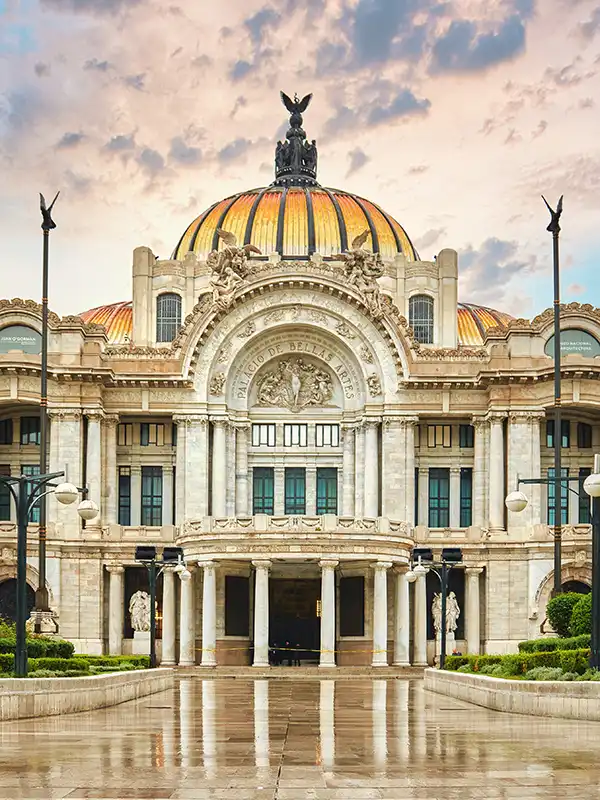
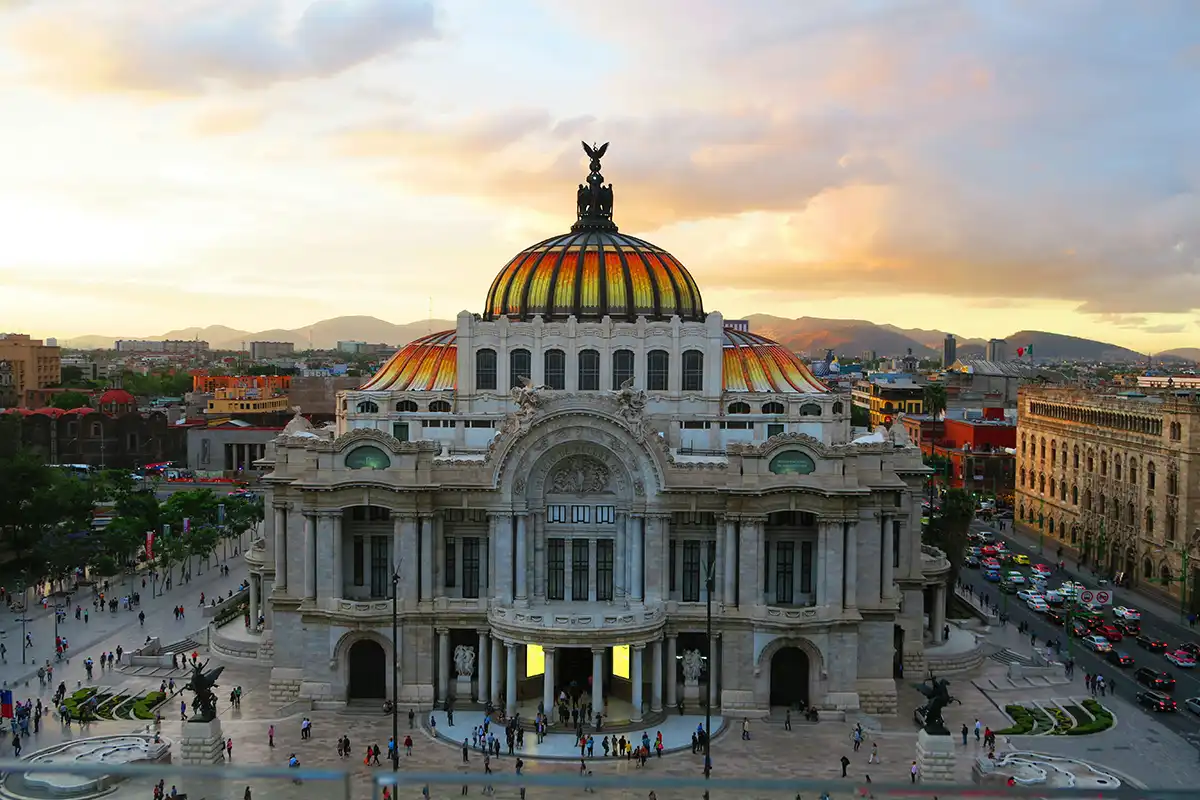
| 2Historic center | Centro Histórico | Walk the Zócalo area, see Palacio de Bellas Artes and choose one substantial museum or viewpoint rather than collecting every landmark. | Mexico City |
| 3Chapultepec and one museum | Chapultepec + Reforma | Build the day around the National Museum of Anthropology or Chapultepec Castle, then leave time for the park and a Reforma walk. | Mexico City |
| 4Teotihuacán day trip | Mexico City ↔ Teotihuacán | Start early, allow a substantial part of the day for the archaeological zone and verify current access before leaving. | Mexico City |
| 5Coyoacán and the south | Coyoacán | Use a timed museum booking if it is a priority, then explore the neighborhood without adding another cross-city cluster. | Mexico City |
| 6Travel to Oaxaca | Mexico City → Oaxaca | Choose bus or flight by the complete door-to-door journey. After check-in, take only an easy orientation walk. | Oaxaca |
| 7Oaxaca historic center | Central Oaxaca | Walk Santo Domingo, central streets and markets at an unhurried pace, with time for one museum or cultural interior. | Oaxaca |
| 8Monte Albán day trip | Oaxaca ↔ Monte Albán | Visit the archaeological zone early, then keep the afternoon flexible in Oaxaca rather than attaching a second major excursion. | Oaxaca |
| 9Valleys or a slow Oaxaca day | Oaxaca or nearby valleys | Choose Mitla and Teotitlán del Valle, or stay in the city for markets, food and museums. Return to Mexico City today if a separate-ticket international departure requires it. | Oaxaca, or Mexico City for a protected connection |
| 10Depart | Oaxaca or Mexico City | Use the morning only when the confirmed departure time allows it. Keep a realistic buffer for the actual airport or bus terminal. | Departure day |
Route note: Treat ticket times, site access, transport schedules and weather as live information. Check the official links in this guide shortly before your dates.

Why This Two-Base Mexico Route Works
Mexico City and Oaxaca provide contrast without demanding a cross-country zigzag. The capital brings huge museums, monumental public spaces and neighborhoods that can fill several days. Oaxaca is smaller in scale, but its markets, food, architecture and nearby archaeological landscape reward more than a rushed weekend. One transfer joins them; each day trip returns you to the same room.
Five nights in Mexico City are not excessive. Day 1 is partly an arrival day, Day 4 leaves the city for Teotihuacán, and Coyoacán sits far enough south that combining it with Chapultepec creates an inefficient day. Four Oaxaca nights likewise produce three useful days around the transfer and departure instead of a two-night stop that is mostly check-in and check-out.
This is one strong answer to a first trip, not a universal list of Mexico’s highlights. If you are still choosing between culture, inland Yucatán, the Riviera Maya and the Pacific, start with the broader guide to the best places to visit in Mexico. Once Mexico City and Oaxaca are the decision, keep the structure and customize the daily priorities inside it.
10 Day Mexico Itinerary, Day by Day
Day 1: Arrive in Mexico City and keep the evening small
- Sleep
- Mexico City · night 1 of 5
- Focus
- Arrival and orientation
- Pace
- Light
Choose accommodation that makes the next four days easy rather than trying to be near every attraction. Roma Norte, Condesa, the historic center and areas along Reforma offer different trade-offs in atmosphere, evening activity and travel time. Check recent reviews at the individual property level and map the route from your actual arrival airport before booking.
For neighborhood choices, local transport, museum closures and advance bookings, use the Mexico City travel guide.
After check-in, walk one compact area close to the hotel and have a straightforward meal. This is not the evening for a distant reservation or a late cross-city journey. Mexico City sits at elevation; a quiet first night, normal hydration and modest expectations are more useful than treating arrival time as a bonus sightseeing day.
Use the walk to solve practical tasks: locate breakfast, confirm how you will reach Day 2’s first stop and make sure offline maps and transport apps are working. If the flight arrives late, skip the walk entirely. Nothing important in the route depends on squeezing a landmark into Day 1.
Day 2: Explore the historic center without turning it into a checklist
- Sleep
- Mexico City · night 2 of 5
- Focus
- Centro Histórico
- Pace
- Moderate walking
Begin around the Zócalo and read the square as a living civic center, not merely a photo stop. Construction, ceremonies and access can alter the most convenient walking line, so keep the route adaptable. From there, choose a limited set of interiors and continue west through the historic streets toward the Alameda Central and Palacio de Bellas Artes.
The most common mistake is assuming proximity means everything fits. A substantial museum, the cathedral area, architectural stops, cafés and the Bellas Artes surroundings can already make a complete day. Prioritize one ticketed or time-consuming interior and treat the rest as an outdoor walking route. For viewpoints, ticket arrangements and the building’s artistic context, use the dedicated Palacio de Bellas Artes guide, then verify its official information for your date.
Have lunch within the same district instead of leaving for a famous restaurant across the city. End while the center is still enjoyable, and use the evening near your accommodation. Day 3 covers a different western cluster, so there is no advantage in adding Chapultepec now.
Day 3: Give Chapultepec and one major museum enough time
- Sleep
- Mexico City · night 3 of 5
- Focus
- Chapultepec + Reforma
- Pace
- One major interior
Make the National Museum of Anthropology the anchor if pre-Hispanic history is central to your trip. It is large enough that “seeing the museum” needs a selection strategy: identify the collections you care about, take breaks and resist attaching another major museum simply because it appears nearby on the map. Check the museum’s official visitor information for the current calendar and entry details.
Alternatively, build the morning around Chapultepec Castle and its views, subject to current access. The castle and anthropology museum can technically share a day for fast visitors, but that choice turns the park into a corridor. A better first visit gives one interior real attention, then uses the remaining time for the park, Reforma or a neighborhood meal.
If rain or museum availability changes the plan, swap this day with Coyoacán. Do not force a closed or fully booked priority into the schedule when the route has several interchangeable city days.
Day 4: Take an early Teotihuacán day trip
- Sleep
- Mexico City · night 4 of 5
- Focus
- Teotihuacán
- Pace
- Substantial day trip
Start early enough to preserve a useful morning at Teotihuacán and to avoid building the entire visit around the hottest or busiest part of the day. The site is extensive and exposed. Comfortable shoes, sun and rain protection appropriate to the forecast, drinking water and a realistic walking plan matter more than adding a second attraction on the return journey.
Independent public transport can work for confident travelers, but confirm the correct terminal, operator, destination board and return arrangement shortly before the trip. An organized excursion reduces navigation decisions and may add a guide, yet inclusions vary: compare admission, guide language, pickup location, shopping stops, meal arrangements and total duration rather than treating every listing as equivalent.
Do not plan on climbing a pyramid. Access rules can change, and official notices have restricted ascent on archaeological structures. Use the official INAH Teotihuacán page for current access and visitor information, then follow on-site barriers and staff instructions.
Return to Mexico City without scheduling a fixed evening attraction. Traffic, tour routing and your own energy can all change the arrival time. A meal near the hotel is enough.
Day 5: Use Coyoacán as a neighborhood day
- Sleep
- Mexico City · night 5 of 5
- Focus
- Coyoacán
- Pace
- Flexible
Coyoacán works because it changes the rhythm before the Oaxaca transfer. If the Frida Kahlo Museum is a priority, use its official ticket calendar and build the day around the confirmed time. Do not buy from an unofficial look-alike page or assume walk-up entry. If tickets do not suit your dates, the neighborhood still works without the museum.
Walk the central plazas and surrounding streets, pause for a meal, and choose one additional nearby interest only when it fits naturally. If Xochimilco is the priority, make it the day’s single timed south-side excursion instead of the Frida Kahlo Museum; do not force both into the Coyoacán day. The point is not to race between the south of the city and Chapultepec or the historic center. Long cross-city additions waste the last full day and make packing for Oaxaca feel rushed.
Before dinner, confirm the exact Day 6 departure terminal or airport, the recommended arrival time from the operator, and the route from your hotel. Pack tonight. The transfer is simpler when the morning begins with a known address rather than the generic phrase “Mexico City bus station.”
Day 6: Transfer from Mexico City to Oaxaca
- Sleep
- Oaxaca · night 1 of 4
- Focus
- One intercity transfer
- Pace
- Travel day
A direct coach usually makes sense when you prefer one ground journey, can choose a convenient departure, and do not mind giving much of the day to travel. A flight has a shorter time in the air, but the fair comparison includes the trip to the airport, check-in and security, baggage rules, the risk of disruption and the final journey into Oaxaca. Compare the complete door-to-door plan, not headline duration alone.
Whichever option you choose, make this the only major task. On arrival, check in and take a compact orientation walk around the center if energy and daylight permit. Identify breakfast, learn the route to Santo Domingo and confirm Day 8 transport. A fixed tasting menu, performance or distant excursion is poor insurance against a delayed transfer.
The detailed bus-versus-flight framework appears after the daily plan. If motion sensitivity, accessibility needs, baggage or a very early departure changes the calculation, allow those needs to override any generic recommendation.
Day 7: Walk Oaxaca’s historic center and markets
- Sleep
- Oaxaca · night 2 of 4
- Focus
- Historic center
- Pace
- Unhurried walking
Begin around Santo Domingo and choose one cultural interior according to the current calendar. Then let the route unfold through central streets and public spaces rather than navigating by a list of viral food stops. Oaxaca’s center is compact compared with Mexico City, but markets, churches, museums and meals still deserve pauses.
Markets are working places, not staged attractions. Ask before photographing individual vendors, keep aisles clear and order only what you can comfortably eat. If you want to understand a dish or ingredient, a respectful question often does more than chasing a checklist of “must-eats.” Dietary restrictions are worth writing in Spanish because sauces, stocks and garnishes are not always obvious.
Save some energy for an evening walk, but keep valuables discreet and use current local advice for the route back to the hotel. Day 8 starts with another archaeological site, so there is no need to make this the latest night of the itinerary.
Day 8: Visit Monte Albán, then keep the afternoon open
- Sleep
- Oaxaca · night 3 of 4
- Focus
- Monte Albán
- Pace
- Half- to full-day outing
Monte Albán occupies an exposed hilltop outside central Oaxaca. Go early, check the weather and bring appropriate protection. The archaeological landscape is the reason for the trip; do not reduce it to a brief photo stop between several unrelated attractions. Use the official INAH Monte Albán page for current access and visitor details.
Shuttles, taxis and guided outings can all be workable depending on current operations. Before paying, establish the departure point, whether admission and guiding are included, the time available at the site and how the return works. With a taxi, agree on the arrangement through a reputable channel and do not assume a driver will wait unless that is explicit.
Back in Oaxaca, choose lunch, a museum missed on Day 7 or a rest. This empty space is intentional. It absorbs heat, weather, a slower site visit or simple fatigue, and it keeps the day useful even if the morning transport changes.
Day 9: Choose the Oaxaca valleys or a slower city day
- Sleep
- Oaxaca · night 4 of 4
- Focus
- One choice, not both
- Pace
- Flexible
Option A: Mitla and Teotitlán del Valle. Choose this when archaeology, weaving traditions and the valleys matter more than another urban day. Confirm current site access and the actual excursion route. For workshops or demonstrations, look for clear explanations of who leads the visit, whether purchases are optional and how artisans benefit. Avoid an itinerary with so many sales stops that the places become background.
Option B: stay in Oaxaca City. Revisit a market, book a cooking class with transparent inclusions, explore a museum missed earlier or simply make lunch the day’s anchor. This is not a fallback. After Mexico City, Teotihuacán, a transfer and Monte Albán, an unscheduled Oaxaca day can be the best-paced part of the trip.
Day 10: Depart without inventing a bonus day
- Base
- Oaxaca or protected Mexico City return
- Focus
- Departure
- Pace
- Schedule-led
Let the confirmed ticket determine the morning. With a later Oaxaca departure, breakfast and a short walk near the hotel may fit. With an early flight or a ground transfer before an international departure, the only plan should be reaching the correct terminal with the buffer recommended by the operator.
Check which Mexico City airport appears on every ticket; a city name is not enough. If two bookings require an airport change, collect bags and check in again, treat that as a separate transfer and allow far more protection than a through-ticket connection. The itinerary’s Day 9 return rule exists precisely to keep this final day calm.
Mexico City to Oaxaca: Transfer Reality
There is no single best mode for every traveler. Compare the journey from hotel door to hotel door using your actual date, luggage and departure points.
Direct coach
Choose it for one continuous ground journey
A coach avoids airport security and normally takes you from a city terminal to a city terminal. It can be efficient when the departure time is convenient and you are comfortable spending a long block of the day seated.
- Search the exact date and terminal on the operator’s official site.
- Map both hotel-to-terminal journeys before comparing.
- Check the ticket’s baggage, change and cancellation conditions.
- Do not assume every departure uses the same Mexico City station.
Domestic flight
Choose it when the complete journey is genuinely better
Flying can reduce scheduled travel time, but only the full calculation reveals whether it saves a useful part of Day 6. Airport access, check-in, baggage and the trip into Oaxaca all count.
- Verify the airport code and operating carrier.
- Compare fares with the baggage you will actually carry.
- Avoid a fragile separate-ticket connection on Day 10.
- Keep the arrival evening free in case the schedule shifts.
Use ADO’s official search for the live coach timetable and final terminal details. For flights, compare the airline’s final price and conditions before booking. A reseller’s result is a lead, not the operating truth.
Should You Add Puebla?
Not to this default route. Puebla is a worthwhile historic and food-focused destination, but “add Puebla” means taking time from somewhere else. A day trip from Mexico City creates another long outing between the capital’s own districts and Teotihuacán. An overnight stop creates a third hotel, another check-in and another onward journey before Oaxaca.
If Puebla is a personal priority, substitute it for Day 5 and accept less Mexico City time, or redesign the route with an overnight and remove an Oaxaca or capital day deliberately. Do not keep every existing day and place Puebla on top. The result would be 10 calendar days on paper but fewer useful hours in all three places.
A Beach-First Yucatán Alternative
The Caribbean is not a sensible two-night reward at the end of Mexico City and Oaxaca. It requires another long transfer and introduces beach conditions, tropical weather and airport logistics to an already complete route. If beach time is one of the trip’s main reasons, replace the inland route instead.
Alternative: four nights in Mérida + five nights in Playa del Carmen
Days 1–4: use Mérida for the city, food and one carefully chosen ruins or cenote outing. Day 5: transfer to Playa del Carmen. Days 5–9: keep one Caribbean base for beach time and selected day trips. Day 10: depart through the airport that matches the final booking.
A Valladolid stop can add inland variety, but only by creating a third base. Use it as a replacement night, not an extra destination squeezed between two fixed stays.
Playa del Carmen is suggested as a transport-friendly base, not a promise of perfect water. Sargassum varies by beach and date, and tropical systems can alter plans quickly. Check recent local conditions close to travel, retain flexible beach-day expectations and follow official weather instructions. The current official context is available through Mexico’s federal sargassum strategy updates and CENAPRED tropical-weather guidance.
This alternative is intentionally separate. Do not combine Mérida, Playa del Carmen, Mexico City and Oaxaca in the same 10-day trip simply because domestic flights exist.
Best Time for This Mexico Itinerary
The route operates across different elevations and climates, so a national weather label is not enough. Mexico City can have cool mornings and wet periods; Oaxaca can be warmer in the day; archaeological sites are exposed even when city streets feel comfortable. Look at the forecast for each base and each day-trip location shortly before packing.
Rain does not automatically ruin the itinerary. Keep museums and neighborhood days interchangeable, carry protection suited to the current forecast and avoid putting every outdoor priority on one unchangeable day. During hotter periods, early archaeological visits and a slower afternoon are more realistic than adding stops.
Major festivals, public holidays and popular travel periods can affect accommodation and transport availability. If a specific celebration is the reason for the trip, research its current official program and book around confirmed dates; do not rely on last year’s schedule. If it is not the reason, compare another week rather than paying for demand you do not plan to experience.
Air quality, storms, demonstrations and local events can also change a day. A two-base route handles that uncertainty better than a tightly booked chain because Mexico City Days 2, 3 and 5 can move, while Oaxaca Day 9 remains deliberately flexible.
Getting Around Without a Rental Car
You do not need a car for this itinerary. In Mexico City, combine walking within coherent districts with established public transport and reputable door-to-door transport appropriate to the time and route. The metro and other mass transit can be useful, but crowding, accessibility and luggage change the experience. Learn the current payment method and operating information locally rather than depending on an old blog post.
For taxis or app-arranged rides, use a reputable current channel, verify the vehicle and driver details when available, and wait in a sensible place. Airport and bus-terminal transport deserves extra attention: use the official pickup arrangement for that facility or a clearly identified service. Avoid accepting an unverified offer merely because someone approaches first.
Teotihuacán and Monte Albán can be reached through current public, shuttle, taxi or tour arrangements, but those operations are not interchangeable. Confirm where you board, where you are dropped, how the return works and what happens if you miss it. Screenshot the details and keep the accommodation address offline.
A rental car would add parking, city traffic, navigation and rental conditions without improving the core city days. Consider one only for a redesigned rural route where the additional driving is genuinely central, then research road conditions, insurance and current advisories separately.
A Practical Budget Framework
Static daily-price claims age badly and hide what matters. Build the budget from live quotes for your dates, using the same inclusions in every comparison.
Budget
Keep the route simple and compare every inclusion
Look for a well-reviewed hostel or simple room near useful transport, favor public or shared day-trip options, and compare the direct coach with the full flight cost. Markets and casual local meals can carry most days, with priority admissions priced separately.
Mid-range
Pay for location and selected convenience
Use comfortable private rooms in practical neighborhoods, mix public transport with reputable door-to-door rides, and choose guided help for the outing where it adds the most value. Compare coach and flight by total journey, baggage and terminal costs, not headline fare.
Comfortable
Buy flexibility before adding more stops
Prioritize central stays with suitable cancellation terms, easier terminal transfers and carefully chosen private or small-group activities. A flight is worthwhile only when its complete journey improves Day 6; keep room for restaurant choices and a meaningful contingency reserve.
Compare accommodation by total stay, not the first nightly figure. Compare excursions only after checking admission, transport, guide language, meal or shopping stops and cancellation. A cheaper option that duplicates later costs may not be cheaper. For cash, use secure, legitimate withdrawal points and decline help from strangers at the machine.
The route itself controls spending: two hotels and one transfer usually make costs easier to predict than three bases, extra airport trips and last-minute luggage fees. Budget discipline here comes from fewer moving parts, not from pretending everyone travels at the same price level.
Safety, Health and Practical Checks
Mexico cannot be reduced to one safety sentence. Conditions and official advice vary by state and sometimes within a state. Read the current entry for every place in your route—Mexico City, the State of Mexico around Teotihuacán and Oaxaca—not just a national headline. Start with the current U.S. Mexico travel advisory or the equivalent from your own government, then follow local instructions and accommodation guidance.
Protect the ordinary moments
- Keep phones and wallets controlled in crowds and transit.
- Use discreet routes and reputable transport, especially late or with luggage.
- Share the intercity plan with someone you trust and retain offline copies.
- Avoid demonstrations and follow instructions around closed streets or sites.
Plan for health, altitude and weather
- Check appropriate travel insurance and its activity and disruption exclusions.
- Take the first day gently and seek medical advice for concerning symptoms.
- Use sun, rain and hydration measures suited to the current conditions.
- Ask a qualified clinician for personal vaccine, medication or accessibility advice.
Food exploration does not require ignoring hygiene. Choose busy, well-kept places, notice how food is stored and handled, and use drinking water you trust. Travelers with serious allergies should carry a clear written explanation and understand that shared equipment may still create cross-contact.
Store passport details, insurance information and key bookings securely offline, while keeping originals protected. Know how to contact your insurer and relevant consular service. These steps cannot guarantee a trouble-free trip; they make a changed plan easier to manage.
Leave These Places for Another Mexico Trip
Mexico’s scale makes omission a planning skill. The following places are worthwhile precisely because they deserve a route built around them:
Chiapas
Archaeology, highland towns and landscapes can support a dedicated southern itinerary. Adding it here creates another flight or long ground sequence and needs its own current transport and advisory research.
Yucatán and the Caribbean
Ruins, cenotes, inland cities and beaches make the coherent replacement route above. They are not a quick extension to Oaxaca.
Pacific coast
Oaxaca’s coast or a western beach base can anchor a slower coastal trip. The onward journey from Oaxaca City is more substantial than a glance at the map suggests.
Baja California
Desert, coast and marine experiences belong to a geographically separate journey with season- and activity-specific planning.
Guadalajara and western Mexico
Mexico’s western cities and surrounding regions offer a different cultural route. Give them time instead of using a domestic flight to collect another city name.
Copper Canyon and northern routes
The rail and road planning, distances and current local conditions require a focused itinerary. It should never be an afterthought attached to Day 10.
What to Book Before You Go
Book the parts that can break the route first; leave interchangeable city time flexible.
- International transport and the Day 10 logic. Establish the real arrival airport, final departure point and whether any Oaxaca connection is protected on one ticket.
- Five Mexico City nights and four Oaxaca nights. Compare total prices, exact locations, recent property-level reviews and cancellation terms.
- The Day 6 bus or flight. Use the operator or airline’s final schedule, terminal, baggage and conditions—not a copied timetable.
- A Frida Kahlo Museum ticket, if it is a priority. Buy only through the official calendar and let the confirmed slot choose the Coyoacán day.
- Teotihuacán and Monte Albán transport. Decide between independent arrangements and a tour after comparing the full pickup, access and return plan.
- Travel insurance and essential health planning. Read exclusions and obtain personal medical guidance in time to act on it.
Do not prebook every dinner, every museum and every evening. The route is strongest when weather, energy and live opening information can move the city days. Keep confirmations offline, check them again before each transfer, and save the official contact route for any reservation that matters.
Official pages to recheck near departure
Official links are provided for live checking, not as a promise that today’s access, timetable or conditions will apply to your travel date.
Helpful Booking Tools
These tools support decisions already made in the itinerary. Compare the Day 6 flight only after checking the direct coach, and use the two tour searches only for the existing Teotihuacán and Monte Albán day trips. They do not add another destination or replace the official access checks above.
FAQ
Mexico Itinerary FAQ
These answers use the same 10-calendar-day, nine-night assumptions as the route above.
Is 10 days enough for a first trip to Mexico?
Yes. Ten days is enough for one coherent region or two well-connected bases, not a representative tour of the whole country. Five nights in Mexico City and four in Oaxaca create useful city days, two substantial day trips and only one hotel-changing transfer.
Is Mexico City and Oaxaca enough for 10 days?
Yes. Mexico City easily supports five nights once the arrival day and Teotihuacán trip are counted, while four Oaxaca nights allow the center, Monte Albán and one flexible valleys-or-city day. More stops would reduce time without necessarily adding a better experience.
Can I add a beach to a 10-day Mexico itinerary?
You can, but it is better to replace this route than append a beach to it. A beach-first plan can use four nights in Mérida and five in Playa del Carmen, with current weather and sargassum checks. Combining that with Mexico City and Oaxaca would create too many long transfers.
Do I need a rental car for this route?
No. The two city bases work with walking, established public transport and reputable door-to-door services, while Teotihuacán and Monte Albán can be reached through current public, shuttle, taxi or guided options. A car adds parking, traffic and rental complexity to days that do not need it.
How many places should I visit in Mexico in 10 days?
Use two overnight bases for this itinerary: Mexico City and Oaxaca. Teotihuacán and Monte Albán are day trips, not additional places to sleep. A third base is possible only by deliberately removing time from one of the two main destinations.
Should I take the bus or fly from Mexico City to Oaxaca?
Compare the complete door-to-door journey for your date. A direct coach offers one continuous city-to-city trip; a flight may reduce scheduled travel time but adds airport access, check-in and baggage rules. Choose the option whose real terminal times, conditions and total cost fit Day 6.
Two Bases Are Enough for This First Trip
The value of this itinerary is not that it captures Mexico in 10 days; no route can. It gives two important places enough time to become more than arrival photos. Mexico City receives distinct days for its center, Chapultepec, Teotihuacán and Coyoacán. Oaxaca receives a transfer evening, a city day, Monte Albán and one genuine choice instead of another compulsory excursion.
Keep the five-plus-four-night structure, move the city days around live conditions and protect the final connection. If culture and food are not the priority, choose the Yucatán replacement rather than forcing a beach into Day 9. For the next trip, return to the first-time Mexico destination guide and build a new coherent region around what you left out.

Reader Notes
Share your thoughts
Have a question, update, or practical tip about 10 Day Mexico Itinerary for First-Time Visitors? Share it with other readers. Every comment and reply is reviewed before publication.
✓Moderated conversation
Rate this guide
Ratings appear here when available.
Conversation
Reader comments
Replies appear below the original comment after review.
Reader comments will appear here after review.
Add a note
Join the conversation
Share a useful update, a focused question, or a correction. Do not post personal information.