
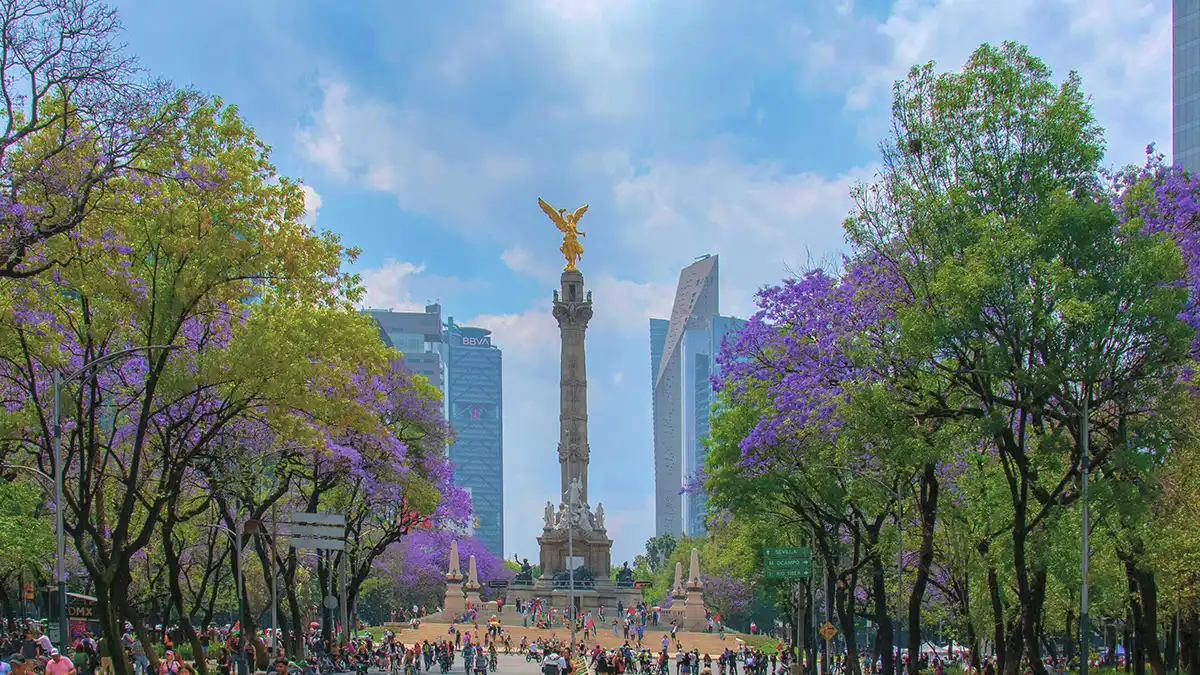
Mexico is too large for a first trip to work well as a national checklist. Once airport time, hotel changes and long connections are counted, the useful choice is usually one coherent region or two places that link without consuming the holiday in transit.
For culture and food, Mexico City with Oaxaca is the strongest first pairing. Inland Yucatán can combine ruins, cenotes and two distinct city bases, with one Caribbean stop if time allows. Beach-first travelers can choose the Riviera Maya for resorts and excursions or Puerto Vallarta for a Pacific town-and-beach stay.
This guide compares those choices by complete days, transfer burden, cost feel and seasonal sensitivity. It also separates good first-trip additions from places that deserve a later, more focused route.
Table of contentsJump to a section
Quick Answer: Where Should You Go in Mexico First?
Choose one region first, then add only a connection that improves the trip.
Mexico City and Oaxaca are the clearest choice for museums, food, markets and cultural depth. Inland Yucatán plus one Caribbean base makes a coherent ruins, cenotes and beach route. Puerto Vallarta works as a standalone Pacific beach-and-town trip, while the Riviera Maya suits travelers prioritizing resorts and organized excursions.
With 5 to 7 complete days, stay in one region. With 8 to 10 days, use one route or two connected bases. With 12 to 14 days, two substantial anchors can work, but a domestic flight does not make every combination efficient.
Best Places to Visit in Mexico at a Glance
The choice board below is a decision tool, not a ranking. “Transfer effort” compares how much arrival and intercity planning a typical first route needs. The detailed sections below explain the trade-offs behind each short answer.
Five practical first-trip anchors compared
First-trip option
Mexico City
Food, museums and neighborhood exploration
- Ideal trip
- 4–5 nights
- Pair with
- Oaxaca or Puebla
- Transfer effort
- Low alone; medium when paired
- Watch for
- Altitude, traffic and rainy periods
First-trip option
Oaxaca City
Food, markets and a slower cultural stay
- Ideal trip
- 3–4 nights
- Pair with
- Mexico City or Puebla
- Transfer effort
- Low–medium
- Watch for
- Rain, festival demand and the coast transfer
First-trip option
Inland Yucatán
Ruins, cenotes and inland city bases
- Ideal trip
- 5–7 days
- Pair with
- One Caribbean base
- Transfer effort
- Medium
- Watch for
- Heat, rain and tropical weather
First-trip option
Riviera Maya
Beaches, resorts and easy excursions
- Ideal trip
- 4–6 nights
- Pair with
- Mérida or Valladolid
- Transfer effort
- Low with one base
- Watch for
- Sargassum, rain and higher costs
First-trip option
Puerto Vallarta
Pacific beach time with town life
- Ideal trip
- 4–6 nights
- Pair with
- Guadalajara on a western route
- Transfer effort
- Low as a standalone trip
- Watch for
- Rain, humidity and wider-route logistics

How to Choose Where to Go in Mexico
Count complete days, not calendar dates
An arrival evening and an early departure rarely equal two useful sightseeing days. Count the mornings you wake up in Mexico, then subtract demanding transfer days. Five complete days can support one excellent city or beach base; it does not support a representative tour of the country.
For an 8-to-10-day trip, choose either one regional sequence or two bases with a clean air or ground link. Twelve to fourteen days allow more contrast, but the second region should add something you genuinely want, not simply another famous name.
Decide what should dominate the trip
Start with the experience that would make the trip feel successful. Pick Mexico City or Oaxaca when meals, museums, markets and city life matter most. Choose inland Yucatán for archaeological sites, cenotes and a regional journey. Choose the Riviera Maya or Puerto Vallarta when beach time should occupy most days.
Mixed interests do not require a mixed-up route. Mexico City with Oaxaca delivers two different urban experiences. Mérida with Valladolid and one Caribbean base combines inland culture and a beach finish without crossing the country.
Price the transfer friction
Transfer cost is more than a ticket. It includes getting to the terminal, waiting, baggage rules, the final ride to a hotel and the energy lost to another check-in. A short flight can still consume much of a day. A road leg can be sensible when it advances the route, yet frustrating when it creates an out-and-back detour.
Before adding a stop, write the complete door-to-door journey beside it. If the transfer takes more planning than the destination receives in usable time, remove the stop.
Mexico City or Cancún for a first arrival?
Choose Mexico City when you want national museums, architecture, food and an urban introduction. Choose Cancún when international air access, a resort stay and Caribbean beach time are the priority. Cancún is also a gateway for Quintana Roo and eastern Yucatán; it is not a substitute for Mexico City’s cultural scope.
Neither airport commits you to one type of trip. The better starting point is the one that reduces backtracking for the route you actually want.
Best Places to Visit in Mexico for a First Trip
Mexico City — Best Overall First Base for Culture and Food
Mexico City is the most versatile first anchor. Four or five nights allow time for the Historic Center, major museums, distinct neighborhoods, markets and one carefully chosen day trip without changing hotels. The city’s scale is part of the experience, so group each day geographically instead of crossing it repeatedly.
A rental car is normally unnecessary for the capital itself. Public transport, authorized taxis, ride services where available and prearranged transfers cover different needs; the right choice changes by time and location. Mexico City’s altitude can also make the first day feel different, so begin gently, hydrate and avoid scheduling the hardest day immediately after a long flight.
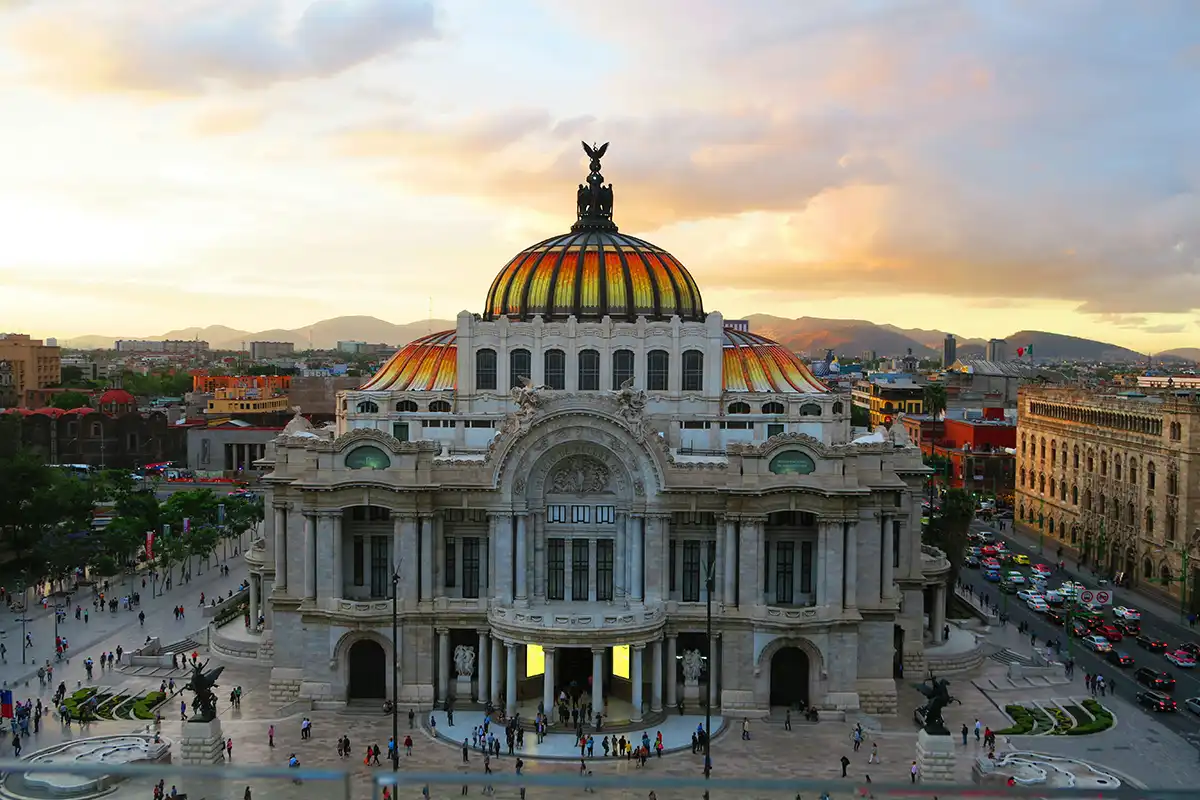
For a focused cultural stop, read the Palacio de Bellas Artes guide. The Mexico destination page gathers the site’s current country coverage.
Already set on the capital? Our Mexico City travel guide for first-time visitors explains where to stay, how to group sights, local transport and how many days to allow.
Oaxaca City — Best Cultural Pairing with Mexico City
Oaxaca City rewards three or four nights. Markets, regional cooking, museums and nearby archaeological or craft-focused outings work better when meals and unscheduled walks are part of the plan. Monte Albán is an important archaeological visit, while surrounding towns and villages are living communities rather than scenery arranged for travelers.
Mexico City and Oaxaca form a strong pair because each earns several nights and the transfer has a clear purpose. Puebla can sit between them on an overland route when the timetable supports it. The Oaxaca coast is a separate travel decision: current highway and coach options have changed the journey, but the coast still adds another substantial road transfer and another base.
Approach Indigenous foodways, textiles, ceremonies and villages as contemporary cultures. Ask before photographing people, follow community rules and avoid language that turns traditions into performances.
Inland Yucatán — Mérida, Valladolid, Ruins and Cenotes
The names need separating. Yucatán is a state and also part of the larger Yucatán Peninsula; Quintana Roo and Campeche are on the peninsula too. The Riviera Maya is a Caribbean tourism corridor in Quintana Roo. Mérida, Valladolid, Chichén Itzá and Uxmal belong to an inland Yucatán route, not to one continuous beach strip.
Allow five to seven days for a useful inland route, or eight to twelve when adding one Caribbean base. Mérida works as the larger food-and-culture anchor. Valladolid is a shorter base that can reduce backtracking for Chichén Itzá and nearby cenotes. Archaeological sites and cenotes have their own access, conservation and visitor rules, so verify each one rather than copying a generic timetable.
Intercity buses, organized day tours, rail on some corridors and rental cars can all fit this region. No single mode is automatically best. Tren Maya stations may sit outside the historic center, and every rail leg still needs a current schedule and last-mile plan. A car offers flexibility but also adds parking, road and rental responsibilities.
Riviera Maya and the Mexican Caribbean — Choose One Main Beach Base
The Caribbean coast works best when you choose one main base. Cancún suits resort convenience and flight access. Playa del Carmen offers a central position for restaurants, ferries and excursions. Tulum fits travelers deliberately choosing its spread-out beach, town and hotel pattern. Isla Mujeres is an island stay reached through ferry logistics, not another effortless hotel change.
Four to six nights give a beach-first trip room to breathe. If ruins and cenotes are equally important, pair one coast base with Valladolid or Mérida instead of commuting long distances on several day tours.
Sargassum is variable by date, wind and exact beach. Old social posts cannot predict a future stay, and conditions can differ along the same coast. Check recent official monitoring, then ask the accommodation what is happening at its specific beach. Rain and tropical weather also affect boats, ferries and outdoor plans, so keep one flexible day. Costs can rise once resort location, airport transfers and excursions are counted, so compare the whole stay rather than the room alone.
Puerto Vallarta — Best Pacific Beach-and-Town Option
Puerto Vallarta combines a Pacific beach stay with restaurants, streets and an established visitor center. Four to six nights can work as a complete trip, especially when the goal is to unpack once and alternate beach time with town-based days. It is a different route from the Mexican Caribbean, not a universally cheaper, safer or more authentic version of it.
Guadalajara can be a logical second anchor on a western Mexico itinerary with enough time. It is less logical as an extra flight inside a short Mexico City, Oaxaca or Yucatán trip. Wet-season weather, sea conditions and transport disruption remain date-specific, and broader state advice should be read alongside information for the city and exact route.
Good Add-Ons for a First Mexico Trip

Puebla
Use Puebla when it fits naturally between Mexico City and Oaxaca. With only a week, another hotel change may cost more time than the stop adds.

San Miguel de Allende or Guanajuato
Choose one for a focused central-highlands extension with architecture and slower days. Neither is a compulsory stop on a route already reaching Oaxaca or Yucatán.
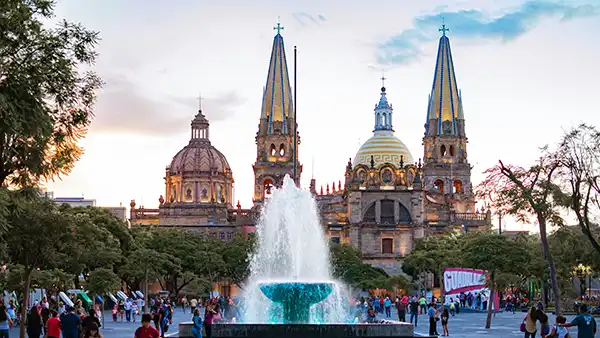
Guadalajara
Pair it with Puerto Vallarta when western Mexico is the trip’s focus. It adds little to a short Mexico City and Oaxaca route that is already complete.
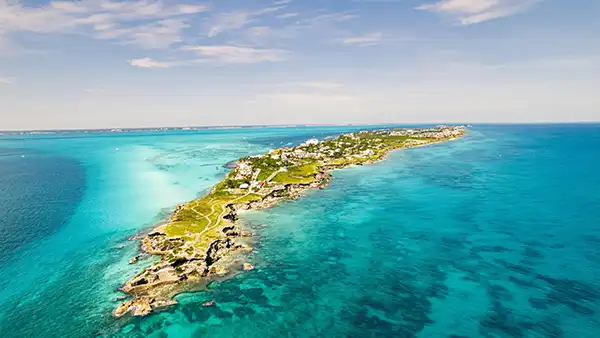
Isla Mujeres
Use it after Cancún or as a short island stay when beach time matters most. Ferry logistics still make it an add-on, not another national anchor.
Places Better as Standalone or Later Trips
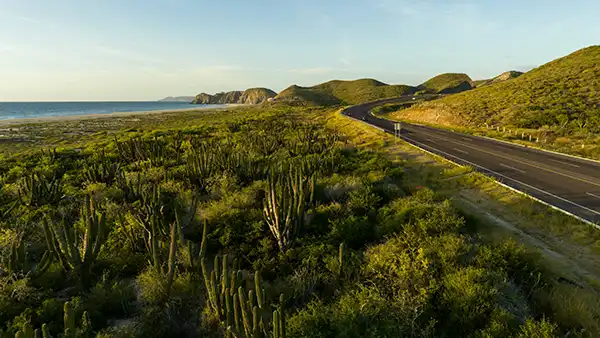
Baja California Sur
Make its desert-and-sea route the trip rather than adding another flight to a central or southern itinerary. La Paz, Los Cabos and nearby stops need their own time.
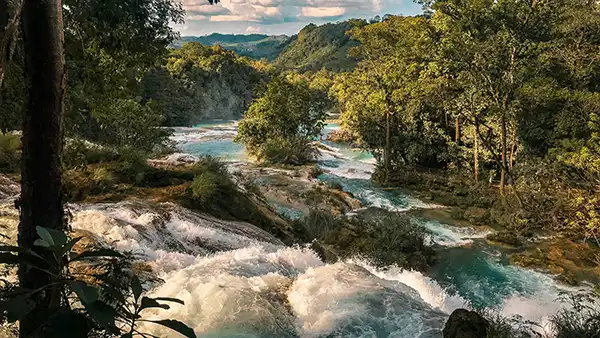
Chiapas
Give Chiapas a dedicated southern route with current transport and regional checks. San Cristóbal, Palenque and the state’s natural sites are not a casual extension from the Caribbean.

Copper Canyon
Build the northern journey around the canyon, rail planning and current road, weather and advisory checks. It is not a convenient side trip from the main first-trip anchors.
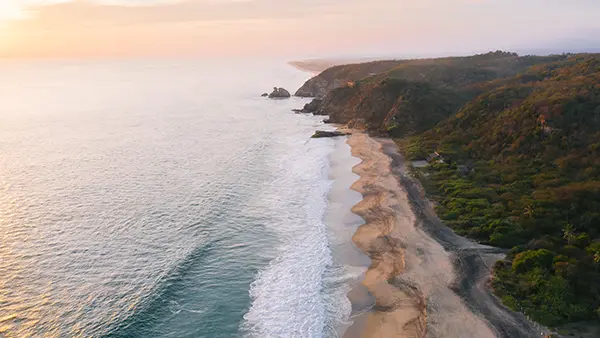
Oaxaca Pacific coast
Add Puerto Escondido, Huatulco or a smaller coast base only with enough transfer time. A short Oaxaca City stay does not automatically include the Pacific.
Suggested First-Time Mexico Route Combinations
If you have 5 to 7 days
Choose one main base or one compact region. Four or five nights in Mexico City plus a day-trip margin works for an urban trip. Oaxaca City can fill a week when nearby outings and unhurried meals matter. Puerto Vallarta or one Riviera Maya base works for a beach-first week. In Yucatán, use Mérida with Valladolid rather than adding the Caribbean as a third rushed base.
If you have 8 to 10 days
For culture and food, divide the trip between Mexico City and Oaxaca, with Puebla only if it replaces a night elsewhere thoughtfully. For Yucatán, use Mérida, Valladolid and one Caribbean base in a one-way sequence. Cancún or Playa del Carmen with Isla Mujeres can work when beach variety matters more than inland travel.
If culture and food are the priority, use this 10-day Mexico City and Oaxaca itinerary to turn the pairing into a practical five-night/four-night route.
Avoid building an itinerary from whichever flights look shortest in isolation. The strongest 8-to-10-day routes have one narrative and no more than two major transfer days.
If you have 12 to 14 days
Mexico City and Oaxaca can each receive proper time, with Puebla as an optional route stop. A fuller peninsula trip can combine Mérida, Valladolid and one Riviera Maya or island base. Travelers set on both central Mexico and Yucatán should fly between two substantial anchors and accept that the transfer divides the trip; do not keep adding Oaxaca and several beach bases.
A western route can combine Guadalajara and Puerto Vallarta. It stands on its own rather than serving as an appendage to the central or peninsula routes.
If you have more than two weeks
Extra time is most useful as depth and recovery. Add a fourth night in Oaxaca, a flexible weather day on the coast, or a second inland Yucatán base before adding another distant region. Baja, Chiapas and Copper Canyon still deserve separate planning even when the calendar is longer.
Good pairings
Connections that support the trip
- Mexico City + Oaxaca: two substantial cultural anchors with a clear connection.
- Mexico City + Puebla + Oaxaca: a directional central route when each stop has enough time.
- Mérida + Valladolid + one Riviera Maya base: inland context followed by one beach finish.
- Cancún or Playa del Carmen + Isla Mujeres: a focused Caribbean trip with one ferry move.
- Puerto Vallarta alone: no extra transfer is needed to justify a beach-and-town holiday.
- Puerto Vallarta + Guadalajara: coherent when the entire route is western Mexico.
Rethink these
Combinations that spend too much time moving
- Mexico City + Oaxaca + Yucatán in 10–12 days: three anchors and a cross-country flight leave little margin.
- Oaxaca City + the Pacific coast in one week: the road transfer competes with both destinations.
- Baja + central Mexico on a short trip: separate air corridors create two partial holidays.
- Several Caribbean one-night stays: repeated packing and ferry or road logistics erase beach time.
- Chiapas + the Caribbean as a simple overland link: distance, current route conditions and ground transport need a real plan.
- A beach added only as a checklist item: one or two transit-heavy nights rarely deliver a restorative coast stay.
Which Mexico Base Should You Choose?
Mexico City
Choose it for: museums, food and city depth. Allow: 4–5 nights. Group planned days geographically so the city’s scale does not turn every outing into a long crossing.
Oaxaca City
Choose it for: markets, food and a slower cultural anchor. Allow: 3–4 nights. Keep the coast out of the same short stay unless you have budgeted a separate transfer day.
Mérida
Choose it for: an inland Yucatán city base and western peninsula outings. Allow: 3–4 nights. It suits travelers who want evenings in one city after regional day trips.
Valladolid
Choose it for: a short ruins-and-cenotes base between Mérida and Quintana Roo. Allow: 1–2 nights. Use it to reduce backtracking, not simply to add another hotel.
Cancún
Choose it for: resort convenience and straightforward air access. Allow: 3–5 nights. Decide whether the resort stay itself is the goal before adding long excursions.
Playa del Carmen
Choose it for: restaurants, ferries and a central excursion base. Allow: 3–5 nights. It is practical when several planned outings begin along the same coast.
Puerto Vallarta
Choose it for: a Pacific beach trip with town life. Allow: 4–6 nights. Keep it standalone unless Guadalajara is a deliberate second anchor.
Choose a location that reduces the journeys you expect to make most often. Compare the complete stay cost, cancellation terms and ground transport before booking; a lower room rate can be offset by repeated long rides.
When two bases serve similar days, keep the one that prevents an unnecessary departure, arrival and repacking cycle.
Safety Notes for Choosing Where to Go
Mexico cannot be reduced to one safety label. Conditions and official advice vary by state, municipality, neighborhood, road corridor and activity, and they can change after an itinerary is drafted. Check current advice for the exact state, municipality and road corridor.
Use established transport, confirm the vehicle or driver before entering, and ask an accommodation about current arrival logistics. When traveling overland, compare the operator, terminal, departure time and route rather than assuming every road journey has the same context. Avoid displaying valuables unnecessarily, use ATMs in controlled locations, watch drinks and transport plans around nightlife, and keep digital copies of essential documents.
Read at least one official advisory in full, including the regional notes, but treat it as an input rather than a substitute for local planning. If advice changes materially before departure, revise the route instead of looking for a broad reassurance that the original plan is still fine.
Save the contact details for your accommodation, insurer and relevant consular service, and share the main itinerary with someone you trust. Leave enough flexibility to change a road leg or activity if local conditions, weather or official guidance shift. These are ordinary planning measures, not evidence that every destination presents the same risk.
For a late arrival, decide beforehand how you will leave the terminal and reach the accommodation instead of improvising while tired.
Best Time to Visit These Mexico Destinations
Apply season advice to the exact city or coastline, not to “Mexico” as a whole. A quieter booking period can still coincide with heat, heavy rain or limited availability around a major event. Flexible reservations matter most when the trip depends on boats, clear beach water or a long outdoor site visit.
Plan for altitude, rain and temperature shifts
Mexico City can have cool mornings or evenings even when midday feels warm. Wetter periods affect outdoor plans and traffic, while busy cultural dates can change availability. Pack layers and keep the first altitude day lighter.
Separate city timing from coast timing
Oaxaca City and the Pacific coast do not share one simple travel season. City rain, major celebrations, mountain roads and coastal weather affect different parts of a combined trip. Check both locations and the route between them.
Heat and beach conditions change the day
Heat and humidity can make midday archaeological visits demanding. Caribbean rain, tropical systems and sargassum are date- and beach-specific. Use current forecasts and monitoring, and avoid a nonrefundable plan that depends on perfect water conditions every day.
Compare rain, humidity and sea plans
The wetter part of the year can bring heavier rain and more humidity; marine activities depend on current sea and weather conditions in any season. Build flexibility around boats and check official forecasts close to departure.
There is no single best month for every route. Decide which risk matters most to you: heat at ruins, rain during city walking, uncertain beach conditions, crowd pressure or limited flexibility. Then choose the region whose trade-offs fit the trip.
Common First-Time Mexico Planning Mistakes
Trying to sample the whole country
Correction: choose one regional story and save distant places for another trip.
Counting flights but not door-to-door transfers
Correction: add airport, terminal, waiting, baggage and hotel time to every move.
Treating Yucatán and Riviera Maya as the same place
Correction: distinguish inland cities and sites from the Caribbean coast, then assign enough nights to each.
Changing Caribbean bases every night
Correction: choose one coast base and use a second only when it changes the experience meaningfully.
Adding the Oaxaca coast to a short city break
Correction: give the coast its own time or pair Oaxaca City with Mexico City instead.
Using a countrywide safety claim
Correction: check the state, municipality, neighborhood, activity and road corridor close to travel.
Booking from old prices or beach photos
Correction: verify the final provider terms, site access, forecasts and current sargassum information before paying.
How to Plan Your First Mexico Route
- Count complete days. Remove arrival, departure and major transfer time.
- Choose the main experience. Decide whether culture, inland exploration or beach time should dominate.
- Select one anchor. Give Mexico City, Oaxaca, Mérida, a Caribbean base or Puerto Vallarta enough nights first.
- Add one logical connection. Write its full door-to-door journey and remove it if the cost in time is too high.
- Verify volatile details. Recheck entry rules, advisories, transport, weather, sargassum and archaeological access for the exact dates.
The Mexico destination page is the cleanest place to see current site coverage before building the final route.
Helpful Booking Tools
Once the region is settled, compare flights and only the activities that fit it. Review the final provider, total price, baggage or pickup terms, cancellation policy and current operating details before paying.
Useful Official Links
These are the primary starting points used for the volatile checks in this guide.
FAQ
FAQs About Visiting Mexico for the First Time
What is the best place to visit in Mexico for first-time visitors?
Mexico City is the most versatile first base for food, museums and cultural context. Oaxaca is a strong slower cultural pairing, while inland Yucatán suits ruins and cenotes. Choose a Caribbean or Puerto Vallarta base when the trip is primarily about beaches.
How many days do you need in Mexico for a first trip?
Use 5 to 7 complete days for one region, 8 to 10 for one coherent route or two connected bases, and 12 to 14 for two substantial anchors. Count arrival, departure and transfer time before adding stops.
Should I start with Mexico City or Cancún?
Start in Mexico City for museums, food, neighborhoods and an urban introduction. Start in Cancún for resort access, Caribbean beaches and an eastern peninsula route. Choose the airport that reduces backtracking for your priorities.
Is Yucatán a good region for first-time visitors?
Yes. Mérida, Valladolid, archaeological sites and cenotes form a clear inland route, with one Caribbean base possible when time allows. Heat, current site access and each ground connection still need planning.
Should I choose the Riviera Maya or Puerto Vallarta?
Choose the Riviera Maya for Caribbean resorts, cenotes and organized excursions, especially within a Yucatán route. Choose Puerto Vallarta for a standalone Pacific beach-and-town stay. Compare current weather, beach or sea conditions, transport and total cost.
Where should I stay on a first trip to Mexico?
Choose the base that matches the main experience and reduces repeated travel: Mexico City or Oaxaca for culture, Mérida or Valladolid for inland Yucatán, Cancún or Playa del Carmen for the Caribbean, and Puerto Vallarta for the Pacific.
Can you visit Mexico without renting a car?
Yes. Mexico City, Oaxaca City, Puerto Vallarta and many peninsula routes can work with public transport, intercity buses, rail on relevant corridors, tours and arranged transfers. A car adds flexibility in some regions but is not a universal requirement.
Is Mexico safe for first-time visitors?
Safety varies by state, municipality, neighborhood, route, time and activity. Read current official regional advice, use established transport and check the exact road corridors and destinations in your itinerary rather than relying on one countrywide claim.
Final Thoughts
The strongest first Mexico trip has a clear center. Choose Mexico City with Oaxaca for culture and food, an inland Yucatán route with one beach base for variety, or Puerto Vallarta as a focused Pacific stay. Then protect the route from unnecessary flights and hotel changes.
Mexico will still contain more regions than one holiday can explain. Leaving Baja, Chiapas, Copper Canyon or another coast for later is not missing out; it is giving the first trip enough time to become more than a transit schedule.



Reader Notes
Share your thoughts
Have a question, update, or practical tip about Best Places to Visit in Mexico for First-Time Visitors? Share it with other readers. Every comment and reply is reviewed before publication.
✓Moderated conversation
Rate this guide
Ratings appear here when available.
Conversation
Reader comments
Replies appear below the original comment after review.
Reader comments will appear here after review.
Add a note
Join the conversation
Share a useful update, a focused question, or a correction. Do not post personal information.