
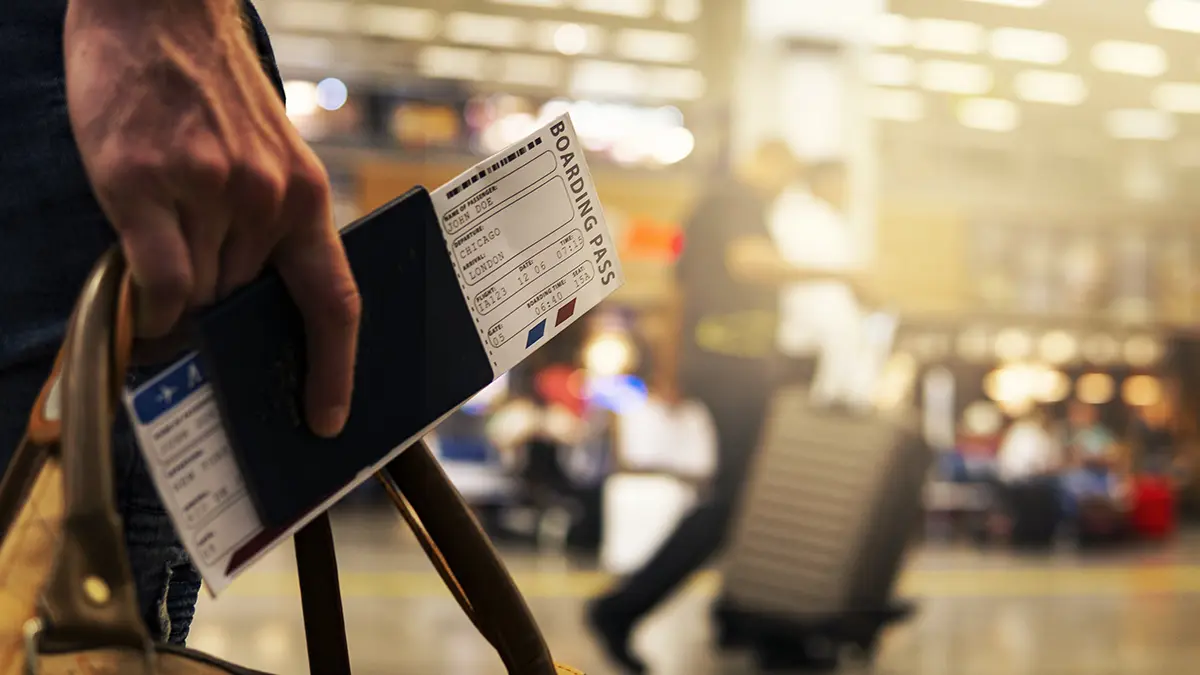
A transit visa question is a route question. The same passport holder may receive a different answer for a protected airside connection, a self-transfer with baggage collection, or a change between airports.
Do not rely on the word “layover” alone. Map what physically happens between the two flights.
Table of contentsJump to a section
Quick Answer: Do You Need a Transit Visa?
It depends on the passport, transit country and what the connection requires.
Check whether the traveler remains in an international transit area, passes border control, collects baggage, uses separate tickets, changes terminals or airports, stays overnight, and holds any residence permit or visa covered by an official exemption. Then verify the exact route with IATA Travel Centre or Timatic-based information and the transit country’s official source.
What a Transit Visa Is
A transit visa is permission connected to passing through a country on the way elsewhere. Some systems distinguish between airport transit, where the traveler remains in a defined international zone, and landside transit, where border entry occurs.
The name, eligibility and process vary by country. A short connection does not automatically remove the requirement, and a long connection does not automatically create one.
Why Airside Does Not Always Settle the Question
“Airside” is useful only when the airport and itinerary actually allow the traveler to remain there.
The answer can change when:
- The airport has no suitable international transit arrangement.
- The terminal transfer passes through immigration.
- Baggage is not checked through.
- Separate tickets require a new check-in.
- The connection closes overnight.
- The operating airline cannot transfer the traveler without border entry.
- The passport nationality is subject to a specific airport-transit rule.
Never state that remaining airside always eliminates transit-document requirements.
Self-Transfers and Separate Tickets
A self-transfer usually means the traveler is responsible for moving between flights. Booking sites may sell the journey in one checkout even though the flights remain separate contracts.
The traveler may need to collect bags, pass immigration, clear customs, reach departures and check in again. That can require permission to enter the transit country, not only permission to wait for another flight.
It also adds missed-connection risk. If the first flight is delayed, the second airline may have no duty to rebook the traveler. Document eligibility and connection protection are separate issues, and both matter.
Baggage Collection and Border Entry
Ask the airline whether baggage is tagged to the final destination. Do not infer this from the airlines belonging to the same alliance or from the flights appearing on one search screen.
If bags must be collected, the traveler commonly needs access to the baggage hall, which may be beyond immigration. Check the airport layout and the official transit rule. Cabin baggage only can simplify the physical transfer, but it does not override a nationality-based transit requirement.
Airport Changes, Terminal Changes and Overnight Stops
An airport change is usually a landside journey. The traveler may need entry permission for the road or rail transfer even when the next flight leaves only a few hours later.
A terminal change can be airside at one airport and landside at another. Overnight connections can also require leaving the secure area if it closes or if the hotel is outside it.
Check the exact airport codes, not only the city name. A route shown as “London,” “Paris,” “Tokyo” or another multi-airport city may contain a substantial cross-city transfer.
Residence Permits, Visas and Possible Exemptions
Some official rules provide transit exemptions for travelers holding particular visas or residence permits. The issuing country, document type, validity and direction of travel can matter.
Do not generalize. A residence card that helps on one route may be irrelevant on another. Read the current official exemption and carry the original document when required.
How to Check a Transit Correctly
- Record passport nationality and country of residence.
- List each airport code in travel order.
- Confirm one ticket or separate tickets.
- Confirm checked-baggage handling.
- Check terminal and airport changes.
- Check whether the connection is overnight.
- Use IATA travel-document information for the complete itinerary.
- Confirm the result with the transit country’s official immigration or consular source.
- Ask the operating airline about the transfer process.
- Recheck after any schedule change.
The pre-booking visa workflow explains how to keep a dated source record. Also check passport validity across the full route, not only at the final destination.
Transit Booking Mistakes
Mistake
Checking only the final country
A transit country can create the document requirement that stops the journey.
Mistake
Assuming one checkout means one ticket
Confirm the ticket numbers, baggage arrangement and missed-connection protection.
Mistake
Using a city name instead of airport codes
A cross-airport transfer normally changes the border and timing calculation.
Mistake
Relying on an old exemption
Residence-document and nationality exemptions can change. Read the current official wording.
Use the international travel-document checklist to carry the resulting approvals and evidence.
This guide was reviewed on August 6, 2026. It does not assume that an airside connection, residence permit or short layover creates an exemption.
FAQ
Transit Visa FAQs
Short answers for connections that need more than a flight-time comparison.
Do I need a transit visa if I do not leave the airport?
Possibly. The answer depends on nationality, the transit country, the airport’s transfer arrangement and whether the route lets you remain in the international transit area.
Does a self-transfer require a visa?
It may require permission to enter the transit country when you must collect bags, pass immigration, change airports or check in again. Verify the exact route before booking.
Does cabin baggage remove the transit visa issue?
No. Cabin baggage can remove one reason to pass immigration, but nationality-based airport-transit rules, terminal arrangements and separate check-in requirements may still apply.
Can a valid residence permit create a transit exemption?
Sometimes, when a current official rule names that document and the traveler meets all conditions. Do not assume a general exemption from residence alone.
What should I do after an airline changes my connection?
Recheck the airport, terminal, ticket and baggage arrangement, then repeat the transit-document check. A small schedule change can alter whether border entry is needed.




Reader Notes
Share your thoughts
Have a question, update, or personal tip about Transit Visa Guide: Layovers, Self-Transfers and Airport Changes? Add it below. Comments are reviewed before they appear on the page.
Rate this guide
Ratings appear here when available.
Reader comments will appear here after review.