
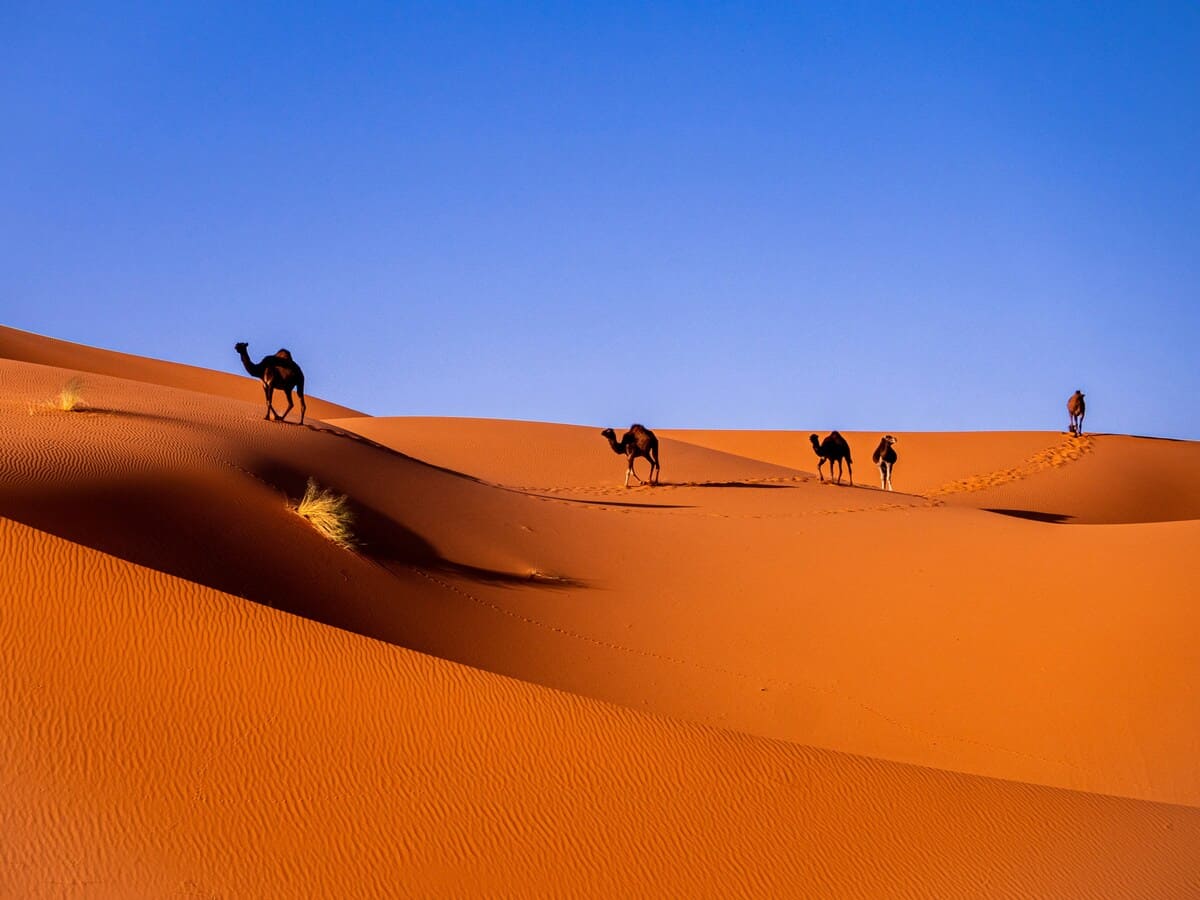
Morocco is easier to plan when you stop treating its famous places as one continuous checklist. Marrakech and Fes are substantial city bases. Tangier and Chefchaouen form a northern branch. Essaouira is a separate Atlantic break, while Merzouga, Ouarzazate and Ait Benhaddou belong to a staged road journey.
This guide uses “attractions” in the broad trip-planning sense. Some entries are cities, one is a mountain region, and others are stops along a desert route. The distinction matters because ten names on a map do not equal ten comfortable hotel changes.
For a first trip, choose a core route and one main branch. Around two weeks can combine several regions, but it should not be used to force all ten places into the same loop.
Table of contentsJump to a section
Quick answer: which Morocco stops fit together?
The right route depends on the arrival airport, season, tolerance for long road days and whether the trip prioritizes medinas, mountains, coast or desert. An open-jaw flight can sometimes remove unnecessary backtracking, but compare the complete fare and ground transport before committing.
How to use this list
The numbers organize the article; they are not an objective ranking. Use the list in three steps:
- Choose two main city bases.
- Add one landscape branch: desert, coast or mountains.
- Use gateway cities only when their flight or rail position improves the route.
A place can be worthwhile and still be wrong for a particular itinerary. Chefchaouen does not belong automatically in a Marrakech-and-desert week. Essaouira does not need to be added after a northern route. Casablanca may need only a focused stop if it is primarily the flight gateway.
Route comparison
Compare the ten Morocco stops
These cards separate main bases, road-route stops and optional branches. The numbers organize the guide; they are not a claim that one place is objectively better than another.
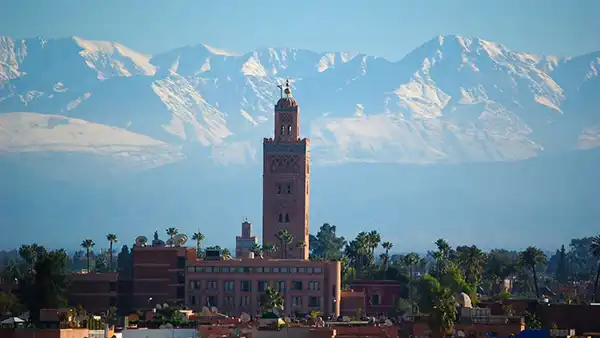
Marrakech
Central Morocco
Marrakech is a practical first base with a dense medina and strong transport and tour options. It can also feel intense, so leave unplanned time between major sights.
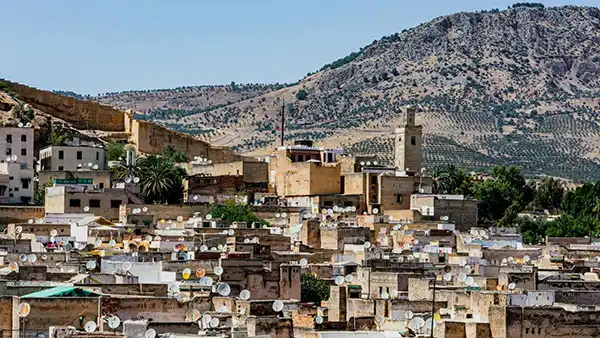
Fes
Northern interior
Fes rewards slower orientation. A licensed guide can add context to the medina, but independent time is still useful once you understand the main gates and districts.
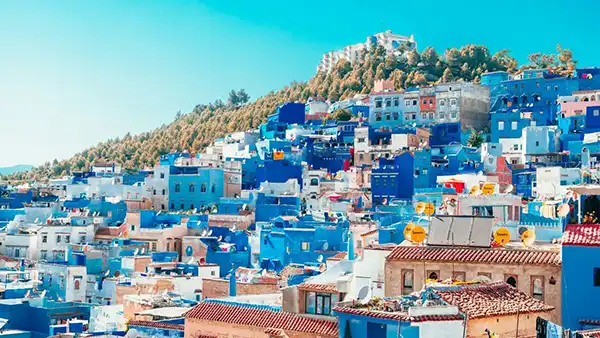
Chefchaouen
Rif Mountains
Chefchaouen is compact enough to explore slowly. Early and late hours are more useful than trying to collect every photographed lane during the busiest part of the day.
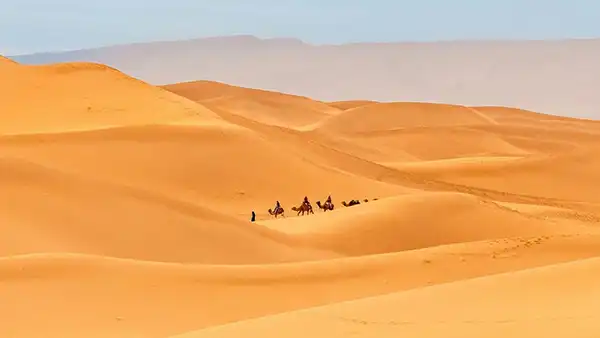
Merzouga and Erg Chebbi
Southeast Morocco
The dunes are the focal point, but transport and camp standards shape the experience. Compare the driving plan, accommodation location and included activities before booking.
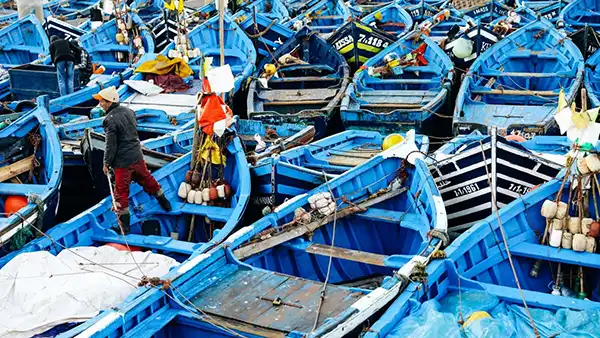
Essaouira
Atlantic coast
Essaouira provides a manageable old-city visit beside a working Atlantic port. Wind and sea conditions affect beach plans, so the medina and harbour should carry the visit.
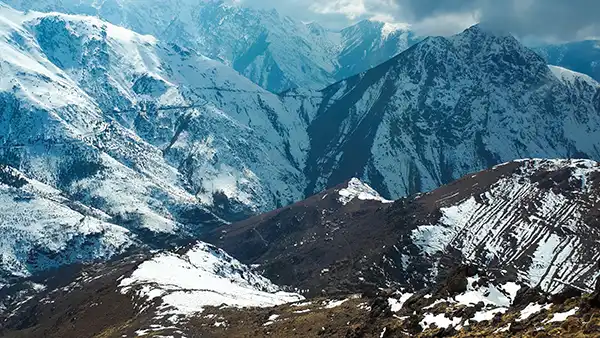
Atlas Mountains
High Atlas
The Atlas Mountains are a large region rather than one attraction. A short valley outing and a high mountain trek require very different planning, equipment and local support.
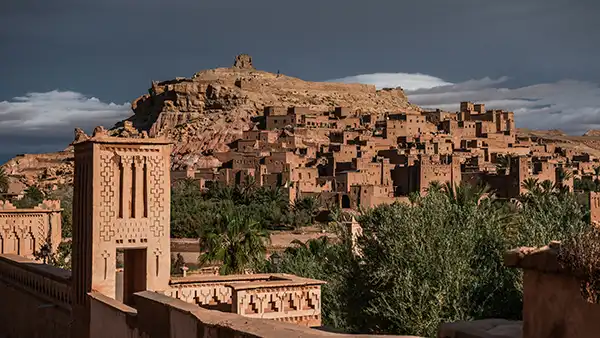
Ouarzazate and Ait Benhaddou
Southern High Atlas corridor
Ait Benhaddou and Ouarzazate work best when the route already crosses the High Atlas. Staying nearby protects the visit from becoming another hurried roadside photograph.
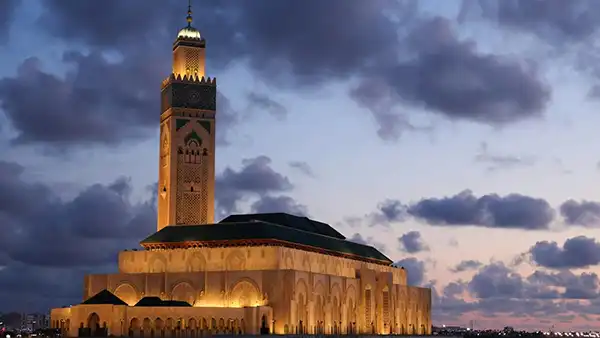
Casablanca
Atlantic coast
Casablanca is a working metropolitan gateway rather than a medina-led destination. A focused visit can fit around Hassan II Mosque and one additional city area.
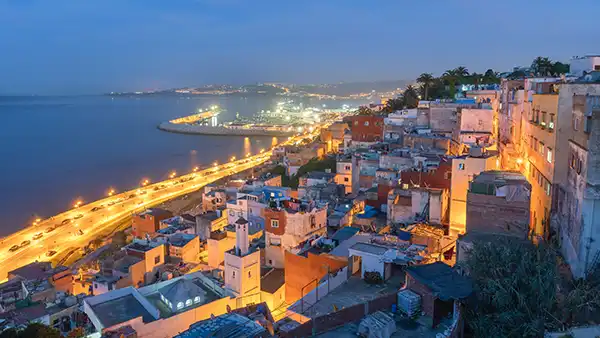
Tangier
Northern Morocco
Tangier works as a northern entry point or a deliberate city stay. Keep the medina and coastal outing separate enough that transport does not consume the day.
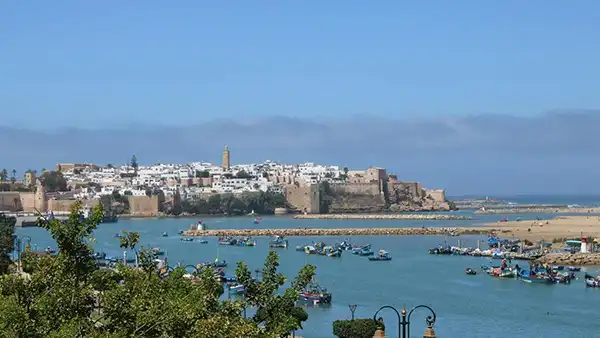
Rabat
Atlantic coast
Rabat combines major historical places with a less compressed city layout. It is especially useful when a rail-based route needs a calm stop between larger bases.
Ten places worth considering
1. Marrakech
Marrakech is the most flexible first base on this list. The medina, Jemaa el-Fna, historic buildings, gardens, food and riads can fill several days, while road trips toward Essaouira, the Atlas Mountains and southern Morocco begin nearby.
The city can also be demanding. Traffic, persistent sales approaches and the medina layout make an overfilled first day a poor introduction. Begin with one historic area, one quieter stop and time to navigate without rushing.
Choose Marrakech for:
- A first medina stay with a wide range of accommodation.
- Bahia Palace, the Koutoubia area, gardens and the souks.
- A southern route toward Ait Benhaddou and Merzouga.
- A separate Essaouira or Atlas branch.
Do not assume that every religious building is open to non-Muslim visitors or that old opening details still apply. Check the individual place before crossing the city for it.
2. Fes
Fes is the stronger choice when medina history, traditional urban form and working craft districts are the priority. The UNESCO-listed Medina of Fez includes madrasas, fondouks, residences, mosques and fountains within a dense historic fabric.
Independent walking is possible, but orientation takes effort. A licensed guide can add useful historical and craft context on the first day. If you hire one, confirm the official badge and local authorization, agree what is included, and do not treat a shop visit as an obligation to buy.
Choose Fes for:
- Fes el-Bali and its layered historic districts.
- Madrasas, fondouks and artisan workshops.
- A rail-based route through Rabat or Casablanca.
- The northern end of a staged road journey toward Merzouga.
Tannery viewpoints are often accessed through commercial terraces. Ask about expectations before entering and keep the visit respectful of the people working below.
3. Chefchaouen
Chefchaouen works best as a small northern town rather than a photograph stop squeezed between distant cities. The blue-painted medina is compact, while the Rif Mountain setting explains why the town feels different from Fes or Marrakech.
An overnight stay provides early and late walking time and removes pressure to see every lane during the busiest hours. Tangier is the most natural companion. Fes can also fit, but the road transfer still needs its own place in the itinerary.

Choose Chefchaouen for:
- Slow medina walks and the surrounding mountain setting.
- A smaller town between Tangier and Fes.
- An overnight pause on a northern route.
Hillside viewpoints require suitable footwear, daylight and attention to the current public route. A location visible online is not automatically an unrestricted path.
4. Merzouga and Erg Chebbi
Erg Chebbi is the dune area most travelers mean when they describe a Merzouga desert stay. The dunes can be a strong landscape section, but the approach from either Fes or Marrakech is too substantial to treat as a casual day trip.
Plan the desert as a multi-day road sequence with intermediate stops. Camp location, room type, vehicle access, meals, luggage handling, private or shared transport and the time actually spent near the dunes vary significantly between products.
Choose Merzouga for:
- Large dunes and an overnight desert section.
- A road journey linking Fes with southern Morocco or Marrakech.
- Time away from the large cities.
If a camel activity is included, assess the operator’s animal handling, load, rest, shade and route before participating. Weather can obscure views, and desert temperatures can change sharply, so pack for the forecast rather than the promotional image.
5. Essaouira
Essaouira is the cleanest coastal branch from Marrakech. Its UNESCO-listed medina, ramparts, working fishing port and smaller scale support a slower stay without requiring another complex city itinerary.
The Atlantic also shapes the day. Wind, swell and water conditions may not suit the beach activity a traveler imagined, so let the medina, port and food remain worthwhile even when the sea plan changes.
Choose Essaouira for:
- A smaller medina and working harbour.
- A two-base Marrakech-and-coast trip.
- Seafood, ramparts and a slower walking day.
6. Atlas Mountains
The Atlas Mountains are a region, not one attraction. A short valley visit near Marrakech, a village-based overnight and a high-altitude trek have different transport, weather, equipment and guide requirements.
Choose one area according to the season and the group’s mobility. Imlil and the Ourika Valley are common starting points, but current road access, flood or snow conditions and trail information should control the final plan. A Toubkal ascent is a serious mountain objective, not an automatic Marrakech day trip.
Choose the Atlas Mountains for:
- A valley or village stay outside the large cities.
- A walk matched to current weather and ability.
- A Marrakech branch that replaces, rather than crowds, a city day.
Use a qualified local guide for routes where navigation, altitude or changing conditions create meaningful risk. Respect homes, farms and Amazigh communities rather than treating villages as staged attractions.
7. Ouarzazate and Ait Benhaddou
Ait Benhaddou is a historic ksar, a fortified group of earthen buildings, in Ouarzazate province. UNESCO describes it as an example of southern Moroccan earthen architecture and pre-Saharan settlement. Calling the entire place a kasbah misses that distinction.
Ouarzazate adds accommodation, transport services and film-related sites. Together, the two places make the most sense as a road-route stop between Marrakech and the desert rather than a rushed out-and-back excursion.
Choose this route stop for:
- Earthen architecture and the Ounila Valley context.
- Breaking up the southern road journey.
- A route that already crosses the High Atlas.
Opening arrangements, restoration work and access within individual buildings can change. Follow local signs and do not climb onto fragile structures for photographs.
8. Casablanca
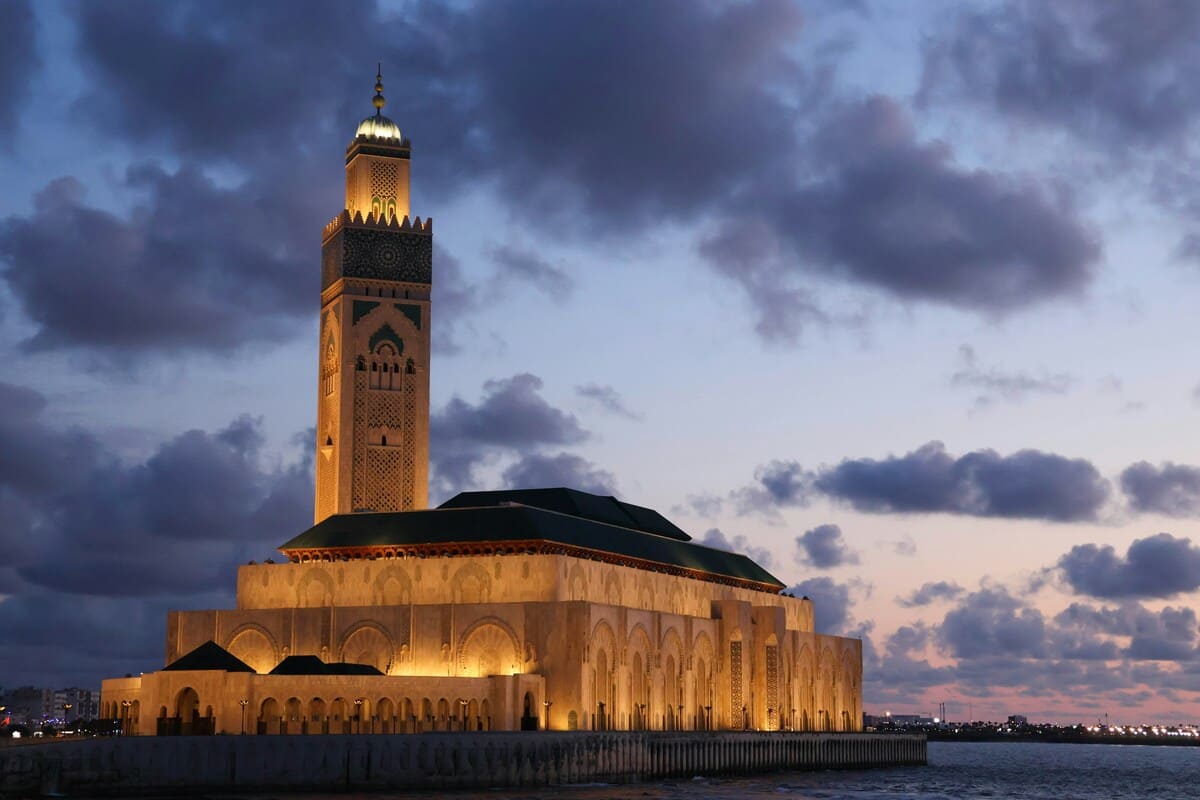
Casablanca is useful as an international gateway and for a focused visit to Hassan II Mosque. It is a modern metropolitan city, not a substitute for the historic medinas of Fes or Marrakech.
Give it time when the flight schedule supports the stop. If the route arrives late or departs early, airport logistics may matter more than adding several city attractions. The detailed Casablanca travel guide explains how to group Hassan II Mosque, the central districts and the Atlantic edge without unnecessary backtracking.
Choose Casablanca for:
- Arrival or departure logistics.
- Hassan II Mosque and a short urban stop.
- Rail connections toward Rabat, Tangier, Fes or Marrakech.
Visitor access to Hassan II Mosque follows current tour arrangements. Check the official schedule rather than assuming entry is available whenever the exterior area is open.
9. Tangier
Tangier is a deliberate northern city stop, not just a transfer point. The kasbah and medina form one compact area, while Cap Spartel and other coastal places require a separate transport plan.
Its rail position is valuable. Morocco’s official tourism information identifies Tangier, Kenitra, Rabat and Casablanca as the current high-speed stations. Chefchaouen remains a road branch, so protect time for that transfer rather than treating it as part of the train corridor.
Choose Tangier for:
- A northern arrival or ferry-linked route.
- A medina and coastal city combination.
- Rail travel south toward Rabat and Casablanca.
- A natural pairing with Chefchaouen.
10. Rabat
Rabat is Morocco’s capital and one of the easiest places on this list to fit into a rail-based route. The Kasbah of the Udayas, Hassan Tower, Chellah and the Bou Regreg area provide substantial history without requiring the same medina orientation as Fes.
It works well between Casablanca and Tangier or before continuing toward Fes. Travelers who prefer a calmer city base may also choose Rabat instead of adding more nights to every larger stop.
Choose Rabat for:
- A capital-city stop with strong rail connections.
- Historic places spread across manageable districts.
- A practical first or final city night near Casablanca.
A realistic 14-day Morocco route
The list contains more than a normal two-week trip should attempt. This core route deliberately leaves out Tangier and Chefchaouen; add the northern branch only by removing another substantial section.
Arrival plus Rabat
Use Casablanca for the flight and a focused mosque visit, then continue to Rabat. If the flight lands elsewhere, do not backtrack only to tick off Casablanca.
Fes
Protect one full medina day and a second block for orientation, a guided visit or a slower district outside the busiest lanes.
Staged desert corridor
Travel toward Merzouga with a sensible intermediate stop, spend time near Erg Chebbi, then continue west without treating either direction as one casual transfer.
Ouarzazate and Ait Benhaddou
Use the area to understand the southern route and break the journey before crossing toward Marrakech.
Marrakech
Keep at least one unhurried city day. An Atlas outing should replace part of the Marrakech plan, not appear as a free extra.
Essaouira or departure buffer
Choose an Atlantic overnight only when the final airport route remains safe. For an early flight, use this time to move closer to departure instead.
For seven days, make the decision earlier: choose Marrakech + Essaouira / Atlas, Casablanca + Rabat + Fes, or a properly staged Marrakech-to-desert route. The destination count matters less than how many days are lost to checking in, checking out and sitting in vehicles.
Transport and route logic
Morocco’s transport network supports a mixed itinerary, but it does not make every branch rail-friendly.
Use trains between major connected cities
Tangier, Rabat and Casablanca sit on the high-speed corridor. Conventional rail also supports several major-city connections, including Fes and Marrakech. Check ONCF for the actual date and service.
Plan separate transport
Chefchaouen, Merzouga, Ait Benhaddou, many Atlas areas and Essaouira require road travel for at least part of the route.
Stage the long journey
Compare a small-group tour, private driver, bus connections or self-drive by the complete route, overnight stops, luggage, road conditions and driver rest.
Compare gateway airports
Casablanca suits many north and rail routes; Marrakech can simplify a southern route. Tangier and Fes may help when flight availability and total price align.
Do not use old blog transfer times as guarantees. Timetables, traffic, mountain weather, construction, stops and pickup arrangements change. Confirm each long segment with the current operator and leave recovery time before a flight or fixed reservation.
If you rent a car, check the insurance terms, deposit, road restrictions and one-way return conditions. Avoid building the route around late mountain or desert-edge driving when daylight, weather or fatigue make the plan less safe.
When to visit Morocco
There is no single best month for every place on this list. Morocco’s Atlantic coast, inland cities, mountains and desert have different conditions.
- Spring and autumn: often the easiest broad compromise for city and desert travel. Morocco’s official tourism guidance specifically identifies spring and autumn as useful periods for the Sahara.
- Summer: inland cities and the desert can be very hot. Reduce exposed midday activity and check accommodation cooling rather than assuming it.
- Winter: city travel can be comfortable, but mountain snow, cold nights and road conditions may affect the Atlas and southern crossings.
- Atlantic coast: wind and water conditions can change beach, boat and board-sport plans in any season.
- Ramadan and public holidays: opening patterns, transport demand and daily rhythms may differ. Verify the dates and the services important to the itinerary.
Entry, safety and cultural planning
Entry rules depend on nationality and trip purpose. The Moroccan National Tourist Office directs travelers to its formalities guidance and the Acces Maroc system for eligible electronic applications. Check the current rule for the passport you will use; do not apply a visa statement written for another nationality.
Government travel advice can change after this article is published. As checked on August 5, 2026, the U.S. Department of State lists Morocco at Level 2, while the UK FCDO provides current advice on entry, crime, scams, local laws, photography and regional risks. Travelers should consult the advice issued for their own nationality and circumstances.
Practical safeguards include:
- Keep valuables controlled in crowded medina and transport areas.
- Use an officially authorized guide when hiring medina guidance.
- Ask before photographing people, shops or workspaces.
- Do not photograph sensitive political, military or controlled sites.
- Confirm current drone permission rules before carrying or flying a drone.
- Respect dress expectations and local rules around religious places and Ramadan.
- Use travel insurance appropriate to the route, medical needs and planned activities.
- Save current emergency and consular details offline.
Balanced planning is more useful than calling the country either completely safe or broadly unsafe. Route, time of day, transport choice, individual identity and current local conditions all matter.
Morocco tours and flight tools
Morocco can be traveled independently, but a well-scoped guide or tour is useful when it solves a real problem: first-day Fes orientation, a multi-day desert route, a mountain outing or a food-focused medina visit. Read the route and inclusions rather than choosing from the title photograph.
Affiliate note: WeltFox may earn a commission from an eligible booking through these tools at no additional cost to you. The provider controls availability, prices and booking terms.
Official Morocco planning links
These links cover the details most likely to change and the heritage context behind several places in the guide. Reopen the relevant page near the travel date.
FAQ
Morocco trip planning FAQ
Short answers to the route decisions that most often make a first Morocco trip too rushed.
What is the best first place to visit in Morocco?
Marrakech is the most flexible first base for many travelers because it combines a substantial medina with routes toward Essaouira, the Atlas Mountains and southern Morocco. Casablanca, Tangier or Fes may be the better first stop when the flight and wider route begin in the north.
Can you visit all ten places in two weeks?
It is possible to pass through many of them, but it usually creates too many transfers and hotel changes. A better two-week plan uses a Rabat-Fes-desert-Marrakech core and adds either northern Morocco or the Atlantic and mountain branches.
Is one week enough for Morocco?
One week works when the trip stays regional. Choose Marrakech with Essaouira or the Atlas Mountains, a Casablanca-Rabat-Fes route, or a properly staged southern route. Do not combine northern Morocco, the Sahara and the Atlantic coast in the same week.
Can you visit the Sahara from Marrakech in one day?
No comfortable Merzouga and Erg Chebbi visit fits into a normal Marrakech day trip. The distance and mountain or desert-edge roads require a multi-day route with sensible overnight stops.
Should you choose Fes or Marrakech?
Choose Fes for medina history, traditional urban form and craft context. Choose Marrakech for a flexible first base with gardens, food, accommodation and southern day-trip options. Both can fit when the trip has enough time between them.
Is Chefchaouen worth an overnight stay?
An overnight stay is useful because it provides quieter early and late walking time and makes the road transfer more worthwhile. Skip it when adding northern Morocco would force the desert or coast into shorter, more tiring segments.
Do you need a car to travel around Morocco?
No. Trains connect several major cities, while buses, shared tours and private transfers can cover road branches. A car adds flexibility in some regions but also adds insurance, parking, navigation, mountain-road and driver-fatigue decisions.
When is the best time to visit Morocco?
Spring and autumn are useful broad compromises for cities and desert travel, but no season suits every region. Summer heat, winter mountain conditions, Atlantic wind and the dates of Ramadan can all change the strongest route.
Final route recommendation
For a first trip of around two weeks, build the itinerary around Fes, a staged Merzouga and Ait Benhaddou corridor, and Marrakech. Use Casablanca and Rabat when they improve the arrival or rail route. Then choose either Tangier and Chefchaouen in the north or Essaouira and one Atlas outing in the south.
The best result is not the route with the most names. It is the route that protects full days in the places you chose, keeps the desert journey honest, and leaves enough margin for current transport, weather and departure logistics.

Reader Notes
Share your thoughts
Have a question, update, or practical tip about 10 Best Places to Visit in Morocco: Route Choices for a First Trip? Share it with other readers. Every comment and reply is reviewed before publication.
✓Moderated conversation
Rate this guide
Ratings appear here when available.
Conversation
Reader comments
Replies appear below the original comment after review.
Reader comments will appear here after review.
Add a note
Join the conversation
Share a useful update, a focused question, or a correction. Do not post personal information.